By The Lowdown Guide Editorial Team · Last verified on the ground: 2026-05-24
I’ve watched the South Rim change color at least a few dozen times—thin daylight ripping across the canyon, shadows pooling in the folds, the air getting that crisp, dry snap you can feel in your lungs. And I’ll say this plainly: if your “national park daydream” is about looking down into something enormous and ancient, the Grand Canyon South Rim is the product you came to buy. Zion is gorgeous, thrilling, even addictive—but it’s a different kind of experience.
Here’s my verdict and my practical advice: Grand Canyon is the iconic overlook and rim-walk payoff. Zion is the in-the-canyon hiking religion. If you can swing a road trip, they’re only about 4.5–5 hours apart (roughly 250 miles by road), and pairing them is one of the best “first-time in the Southwest” moves you can make—especially if you plan permits and timing early.
South Rim in real life: the moment you get why people come back
The South Rim is built for two kinds of travelers: (1) you want the views without playing endurance games, and (2) you want the views and you’ll walk until your legs remember you exist. The rim is the “front porch,” and it’s where you’ll see the canyon’s depth most dramatically—because you’re getting direct, wide exposure to the big wall of it.
You’ll feel it the minute you arrive. Parking is the first reality check. On busy days, the most reliable strategy is to get to your first viewpoint early enough that you’re not hunting for a spot like it’s a concert. From my experience, popular overlooks along the rim (think Mather Point area and the viewpoints clustered near it) tend to fill quickly after late morning, with the highest crush around midday. I’m not telling you “wake up at 4am,” but I am telling you that arriving around 8:00–9:30am makes the day feel civilized.
Want a strong “first hit”? Start with Mather Point, then work outward to the other rim classics—because the Canyon isn’t one view, it’s a whole gallery. If you’re the type who likes a planned route, I’ve got a simple way to structure your time in one day at the South Rim and a deeper version for two days in two days.
Where to stand: the viewpoints I’d actually prioritize
If you’ve got limited time, don’t waste it circling randomly. The South Rim is long, and while walking is part of the fun, you still want your effort to land you in the best “wow” angles.
My go-to lineup
1) Mather Point for the first big “okay… wow” view.
2) Hopi Point for that broad, iconic South Rim perspective—especially if you want a viewpoint that feels like it’s built for photographers and “quiet admiration” moments at the same time: Hopi Point.
3) Desert View / Watchtower area if you’re willing to drive out and trade crowds for bigger spacing and calmer pacing: Desert View Watchtower.
4) Mather-area walk if you’re trying to keep it easy. You can get multiple “good enough” views without committing to an all-day hiking plan.
Hikes: the South Rim versions of “earn the view”
Here’s my honest take: South Rim hiking is mostly about choosing how deep you want to go. You can do the “I’ll get the canyon inside my day” version or the “I walked, but I didn’t ruin tomorrow” version.
Bright Angel vs South Kaibab (and why I recommend starting with your limits)
Bright Angel Trail is the classic “more gradual” feeling option, and it’s your friend if you want to turn around before you’re cooked. For a dependable plan, use Bright Angel Trail as your baseline.
South Kaibab Trail is often steeper and can feel more intense earlier—so it’s better when you’re comfortable with elevation changes and want a stronger “push” day. I’d start here if you’re the “legitimate effort” type: South Kaibab Trail.
Grand Canyon vs Zion: Which National Park Wins Your Trip?
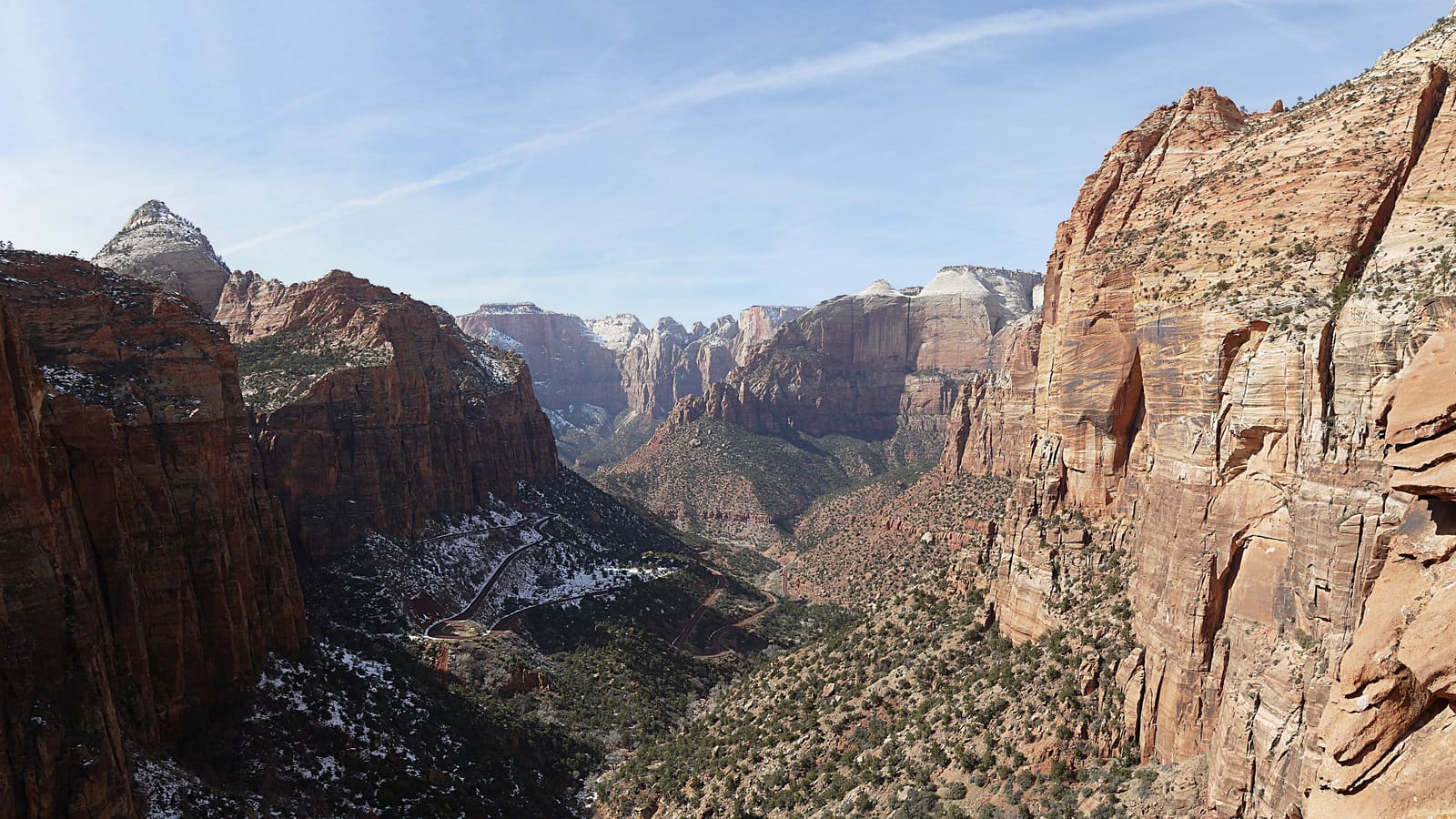
If you’re deciding between the two, here’s the simplest version of the argument I make to friends: Grand Canyon is the skyline and the depth. Zion is the route and the inside-the-canyon experience. Both can make you gasp. Only one is primarily built around “look down and marvel,” and the other is built around “move through and earn it.”
| Category | Grand Canyon (South Rim) | Zion National Park |
|---|---|---|
| Experience | Look down into a mile-deep, layered canyon | Walk up through Zion Canyon and its walls |
| Signature hikes | Bright Angel / South Kaibab (rim-to-river or turnarounds) | Angels Landing + The Narrows (wade/swim up the Virgin River) |
| Permits | Backcountry permits via lottery for certain zones/routes | Angels Landing requires a permit via seasonal + day-before lottery |
| Shuttle | Hermit Road shuttle is seasonal; schedule varies by time of year | Zion Canyon shuttle is mandatory most of the year; no private cars inside |
| Elevation | South Rim sits around ~7,000 ft (feels cooler than the desert) | Lower overall elevation than GC, but canyon walls mean heat and exposure |
| Crowds | Busy on weekends/holidays; go early or embrace shuttle timing | Can be very crowded in the canyon; shuttle and trail demand spike |
| Time needed | 1–2 days for most people: rim + one hike | 2+ days if you want the big ticket hikes (Angels Landing / Narrows) |
Permits and access: this is where planning saves your trip
Zion’s Angels Landing is the big permit choke point: you need an Angels Landing permit via lottery, and the system includes both a seasonal lottery and day-before options (rules change by year—verify the current process before you commit). The Narrows is different: it’s not just “get a permit,” it’s about safety windows and water conditions.
The Narrows means wading and often swimming up the Virgin River. Check current conditions—flash-flood warnings can shut it down, and there are sometimes health advisories for waterborne issues (including cyanobacteria status). In other words: it’s not a “just show up and walk” hike.
On the Grand Canyon side, the big permit conversation tends to revolve around backcountry use. If you’re thinking beyond the rim and into real backcountry routes, read up on Grand Canyon permit lottery details so you’re not scrambling when you should be hiking.
Shuttles: different logistics, same lesson
Zion Canyon’s shuttle is mandatory most of the year. That’s not a vibe-kill; it’s part of how the park keeps the canyon moving. You generally can’t bring private cars into the canyon the way you might imagine.
Grand Canyon’s rim driving/shuttle setup differs. The Hermit Road shuttle runs seasonally, and timing varies—so your “drive plan” should be flexible. The advantage? You can still build a day around rim viewpoints and short walks without treating shuttle logistics like a second job.
Who should NOT do Angels Landing (and what to do instead)
I’m going to be that person: if you’re afraid of heights, don’t gamble on your comfort on Angels Landing. The route is exposed, the turnaround points are meaningful, and you can do everything “right” and still have a bad time. Same for families with small kids—this is not a stroller-friendly “national park memory” trail.
If you want Zion but you’re not chasing that narrow, terrifying edge, consider spending your energy on less exposed routes and save your “big push” day for something you can enjoy. Meanwhile, Grand Canyon is often the safer bet for groups who want major scenery without the same level of vertical fear factor.
The road trip play: Grand Canyon → Zion routing and timing
If you’re pairing them, I like a straightforward flow: Grand Canyon → US-89 → Zion. Real-world drive time is usually about 4.5–5 hours (roughly 250 miles) depending on traffic, stops, and how long you linger at your last viewpoint like everyone does.
Timing matters because the “best-time-to-visit” advice isn’t just a blog trope—it changes your comfort and your crowd stress. For rim walking and viewpoint hunting, I recommend reading best time to visit the Grand Canyon, then cross-checking seasonal conditions so you’re not surprised by closures or weather swings.
Also: book lodging early if you want to stay near the park. If you’re aiming for convenience, browse South Rim hotels. And don’t ignore the food logistics—use where to eat on the rim so you’re not turning a simple meal into an hour-long quest.
If you only have one park: choose based on how you vacation
Pick Grand Canyon South Rim if you want the iconic overlook experience, flexible hiking, and a day where you can always find a great view even if you don’t “do the big hike.” Start with a tight one-day plan, then add your hike around Bright Angel or South Kaibab based on your tolerance for steep effort.
Pick Zion if your vacation style is “movement first.” Zion rewards fitness and commitment. But it also punishes poor planning—especially if you’re chasing Angels Landing permits or trying The Narrows when conditions aren’t favorable.
And if you have the time, don’t force a single winner. Grand Canyon + Zion is the Southwest greatest-hits combo: depth and horizons, then canyon hikes and immersion. If you want a crossover plan that includes both directions of the Grand Canyon experience, I can also point you toward a North Rim crossover day—but that’s for when you already know you’re going to come back.
Book a Guided Grand Canyon Experience
Viator runs helicopter flights, guided rim hikes, and Grand Canyon Railway day packages that bundle transport, entry, and a guide — useful when you would rather skip the driving and parking logistics.
Browse Grand Canyon Tours on Viator →Affiliate link — we earn a small commission at no cost to you.