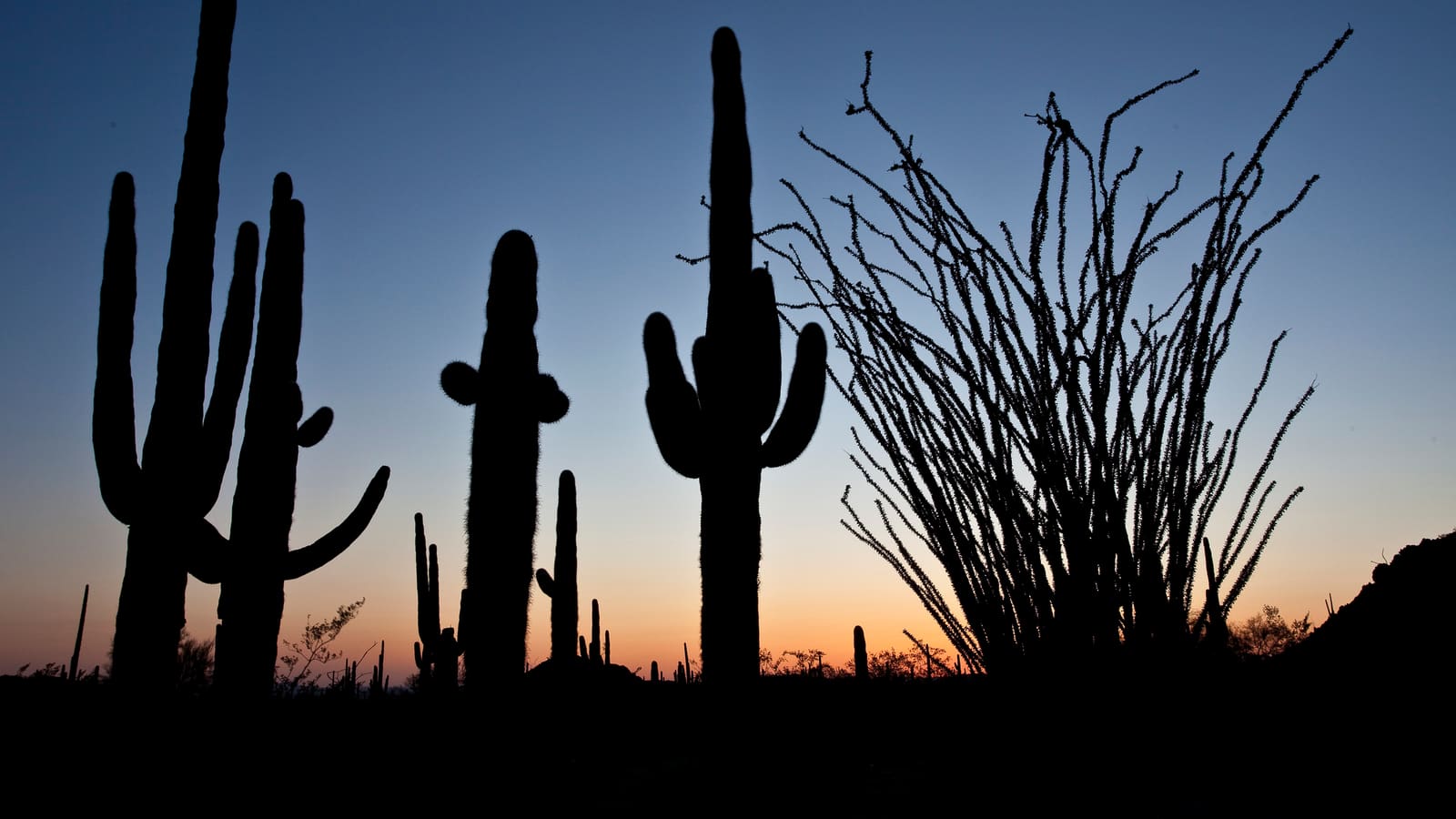
Why Phoenix Summers Are Different
The Valley's low elevation and desert setting mean summer temperatures climb well past what most visitors are used to, with extended stretches of triple-digit highs common from roughly June through September and July typically the hottest stretch. Overnight lows also stay elevated during this period, so the relief that other climates get after sunset is much smaller here.
This isn't just a comfort issue. The same trails that are pleasant hikes in January -- Camelback Mountain and Piestewa Peak in particular -- see real heat-related rescues every summer. Treating the season with genuine caution, not just annoyance, is the right frame for planning a Phoenix trip in these months.
The Early-Morning Rule
If you want to do anything strenuous outdoors in summer -- hiking, an extended walk at Papago Park, or golf -- plan it before 8am, and ideally closer to sunrise. Many Valley trailheads are genuinely busy at dawn during summer specifically because experienced locals have already adjusted to this rule, so an early start also means better parking and a less crowded trail.
By mid-morning, treat strenuous outdoor plans as closed for the day -- and on many summer days, the City of Phoenix will have closed them for you. Under the city's Trail Heat Safety Program, on any day the National Weather Service issues an Extreme Heat Warning, these trails are restricted from 8 a.m. to 5 p.m.: Camelback Mountain's Echo Canyon and Cholla Trails; the Piestewa Peak Summit Trail and associated trails in the Phoenix Mountains Preserve; and at South Mountain, the Holbert, Mormon, and Hau'pal Loop Trails plus access to the National Trail from the Pima Canyon Trailhead.
This is not a formality. In 2024 the city logged 45 days of heat trail closures between May 1 and October 13, in a year with 121 days at or above 105°F and 69 above 110°F. Phoenix reports that more than 200 hikers a year are rescued from its desert parks and mountain preserves. The rules were last revised in March 2025, so check the Phoenix Trail Heat Safety Program page the morning of your hike rather than assuming yesterday's conditions still apply.
Bringing a dog? The Phoenix Parks and Recreation Code of Conduct prohibits endangering dogs on difficult trails or in adverse weather conditions, such as temperatures over 100°F, in any desert park or mountain preserve. Dogs are also barred year-round from the Piestewa Peak Summit Trail. In a Phoenix summer, the practical rule is simple: the dog stays home.
Hydration and Heat Safety Basics
Carry more water than feels necessary any time you're outside for more than a few minutes, and start hydrating well before you head out rather than only drinking once you feel thirsty. Dry desert heat can mask how much fluid you're losing, which is part of why heat illness catches visitors off guard here more than in humid climates where sweating is more obviously visible. The City of Phoenix does not publish a fixed number of ounces per person, and the rule it gives instead is more useful on the trail: turn around and head back before you drink all of your water. Half your supply is the turnaround point, not the finish line.
Heat exhaustion and heat stroke are two different emergencies, and confusing them costs lives, because the correct response to one is the wrong response to the other. Learn both, using the National Weather Service's descriptions.
Heat exhaustion -- heavy sweating; weakness or tiredness; cool, pale, clammy skin; a fast, weak pulse; muscle cramps; dizziness, nausea or vomiting; headache; fainting.
What to do: move the person to a cooler place, ideally air conditioning. Remove excess clothing, apply cool wet cloths or use a cool bath, and give small amounts of water to drink. Get immediate medical attention if the person vomits, if symptoms get worse, or if they last longer than one hour.
Heat stroke -- throbbing headache; confusion; slurred speech; nausea; dizziness; body temperature above 103°F; hot, red, dry or damp skin; a rapid, strong pulse; fainting; loss of consciousness.
What to do: call 911 or get the person to a hospital immediately. Move them somewhere cooler and lower their body temperature with cool cloths or a cool bath. Do not give fluids.
The distinction that matters most: confusion, slurred speech, and hot dry skin are heat stroke, not heat exhaustion. Someone who has stopped sweating and isn't making sense does not need a water bottle and a bench -- they need 911. Heat stroke is a medical emergency where delay can be fatal.
Pool and Resort Time
Summer is when the Valley's resort pool culture makes the most sense as the centerpiece of a trip rather than an afternoon add-on. Many Scottsdale and Phoenix resorts build their summer programming around pool access, water features, and misted outdoor lounges specifically because that's what a comfortable summer day in the Valley looks like.
This is also typically the lowest-rate season of the year for Valley resorts, since demand drops as many travelers avoid the heat entirely. If a slower, pool-centered trip appeals to you, summer can be a genuinely good value compared to the winter and spring-training peak season.
Indoor Attractions for the Afternoon
Once the outdoor window closes for the day, the Valley has a genuine slate of indoor options. The Heard Museum's Native American art collection, the Arizona Science Center, the Phoenix Art Museum, and OdySea Aquarium are all comfortable, air-conditioned afternoons that don't depend on weather at all. The Desert Botanical Garden is not an afternoon substitute: on its hot-weather schedule the trails, restaurant and shop close from 1 to 5 p.m. for peak heat, so treat it as an early-morning or evening outing rather than a midday one.
Building a summer day around a morning outdoor window followed by an indoor afternoon is the most reliable structure for a comfortable trip in these months.
Monsoon Season Awareness
Monsoon season is not a vague stretch of the calendar -- the National Weather Service defines it as a fixed window, June 15 through September 30, the period when the associated hazards are most likely. It brings sudden thunderstorms, dust storms locally called haboobs, and flash flooding in washes and low-lying areas. Storms can build quickly on an otherwise clear afternoon, so check the local forecast each day of your trip rather than assuming morning conditions will hold.
Caught in a dust storm while driving? ADOT's “Pull Aside, Stay Alive” procedure has five steps, and the order matters:
- Check the traffic around you -- front, back, and sides -- and start slowing down immediately.
- Pull completely off the paved portion of the roadway. Don't wait until visibility makes that hard to do safely.
- Turn off all vehicle lights. Drivers coming up behind you steer toward taillights and will drive straight into your parked car.
- Set the emergency brake and take your foot off the brake pedal, so no brake lights show.
- Stay in the vehicle with your seat belt buckled and wait for the storm to pass.
Never drive into a flooded wash or around a barricade, even where the water looks shallow -- depth in an Arizona wash is deceptive and levels rise fast. Arizona also puts a price on it: under A.R.S. § 28-910, the so-called “Stupid Motorist Law,” a driver who goes around a barricade onto a flooded public roadway and then has to be rescued is liable for the cost of that emergency response, up to $2,000 for a single incident, and the statute expressly allows insurers to exclude that expense from coverage.