The West Valley Golf Landscape
The greater Phoenix area has a large number of golf courses, and the West Valley around Glendale carries a meaningful share of that inventory. You will find a mix of municipal daily-fee courses, semi-private clubs that sell public tee times, and resort-affiliated courses tied to nearby hotels. Course styles vary too, from traditional grass fairway layouts to true desert-target designs where the playing corridor is grass and the rough is natural desert terrain.
Because course names, ownership, and fee structures change over time, this guide intentionally stays general rather than naming specific operators or quoting current rates. Search for current West Valley course listings close to your travel dates and check each course's own site for the specifics of your round.
Desert Golf: What to Expect
If you are used to playing courses with grass rough on both sides of the fairway, true desert-style courses take some adjustment. Miss a fairway badly on a target-style hole and your ball may end up in natural desert brush, rock, or sand rather than mowed grass, which typically means a lost ball or a drop rather than a normal recovery shot. Course operators generally mark hazard boundaries and provide local rules for desert areas, so read the scorecard or ask at the pro shop before you tee off if you are new to the format.
Conditions also shift with the season in ways that matter for club selection and expectations. Fairways tend to run firm and fast for much of the year given the arid climate, and greens speed can vary by course and season, so it is worth asking the pro shop about current conditions when you check in.
When to Play: Season and Rates
Phoenix-area golf runs on a strong seasonal cycle. Winter, roughly late fall through early spring, is high season: temperatures are comfortable, snowbird and tourist demand is at its peak, and tee times, especially for prime morning slots, book up fastest and cost the most. If your trip lines up with Glendale spring training guide season, expect golf demand to be elevated alongside baseball crowds.
Summer flips the equation. Daytime heat becomes a serious factor, often making midday rounds impractical, but many courses respond with meaningfully lower rates and easier availability, particularly for early-morning or twilight tee times. If your visit falls in summer, plan your round for the coolest part of the day and bring more water than you think you need. Watch for signs of heat illness on a hot round: heat exhaustion (heavy sweating, weakness, nausea, dizziness) calls for shade, water, and cooling down, while heat stroke — a body temperature above 103°F, hot or red skin, confusion, or loss of consciousness — is a medical emergency that means calling 911 immediately rather than trying to play through it. Shoulder seasons in spring and fall generally split the difference on both price and crowding, though this varies by course and by year, so treat any specific figure you see online as a starting point rather than a guarantee.
Booking Tee Times
Most West Valley courses take bookings online through their own site or a golf booking platform, with some also accepting phone reservations. During winter high season, booking several days to a week ahead is a reasonable target for weekend and prime morning slots; popular courses can fill even further out during the busiest stretches. Outside high season, same-week or even same-day booking is often workable.
Rates typically vary by time of day as well as season, with early morning and twilight slots priced differently from midday. Some courses also offer better value through multi-round packages or resort stay-and-play deals if you are staying nearby. Whatever the source, verify pricing and tee time policy directly with the course before you build your day around it, since online listings are not always current.
Course Etiquette and Pace of Play
Standard golf etiquette applies at West Valley courses: keep pace with the group ahead of you, repair divots and ball marks, and rake bunkers after you play out of them. Desert courses add one wrinkle worth knowing, staying on cart paths through native desert areas is often required rather than optional, both to protect the terrain and to keep carts out of hazard zones. Cart path rules and any local ground-under-repair areas are usually posted at the pro shop or noted on the scorecard.
Pace of play can run slower during winter high season simply because courses are busier. If you are working around a tight schedule elsewhere in your trip, a twilight or early-morning slot is generally your best bet for a faster, less crowded round.
Nearby Valley Golf Options
If the West Valley course you want is booked or you are basing yourself more centrally, the broader Phoenix and Scottsdale golf scene is easily reachable by car; our Phoenix basecamp guide covers staying centrally if you want quick access to courses across multiple parts of the Valley rather than committing to one area. Scottsdale in particular is known for a dense cluster of resort courses on the Valley's north side, a reasonable add-on if you are planning multiple rounds during a longer trip.
Wherever you play, build in drive time between your hotel and the course, and factor course location into your broader itinerary the same way you would for best things to do in Glendale or a Westgate evening out.
Planning Your Golf Trip to Glendale
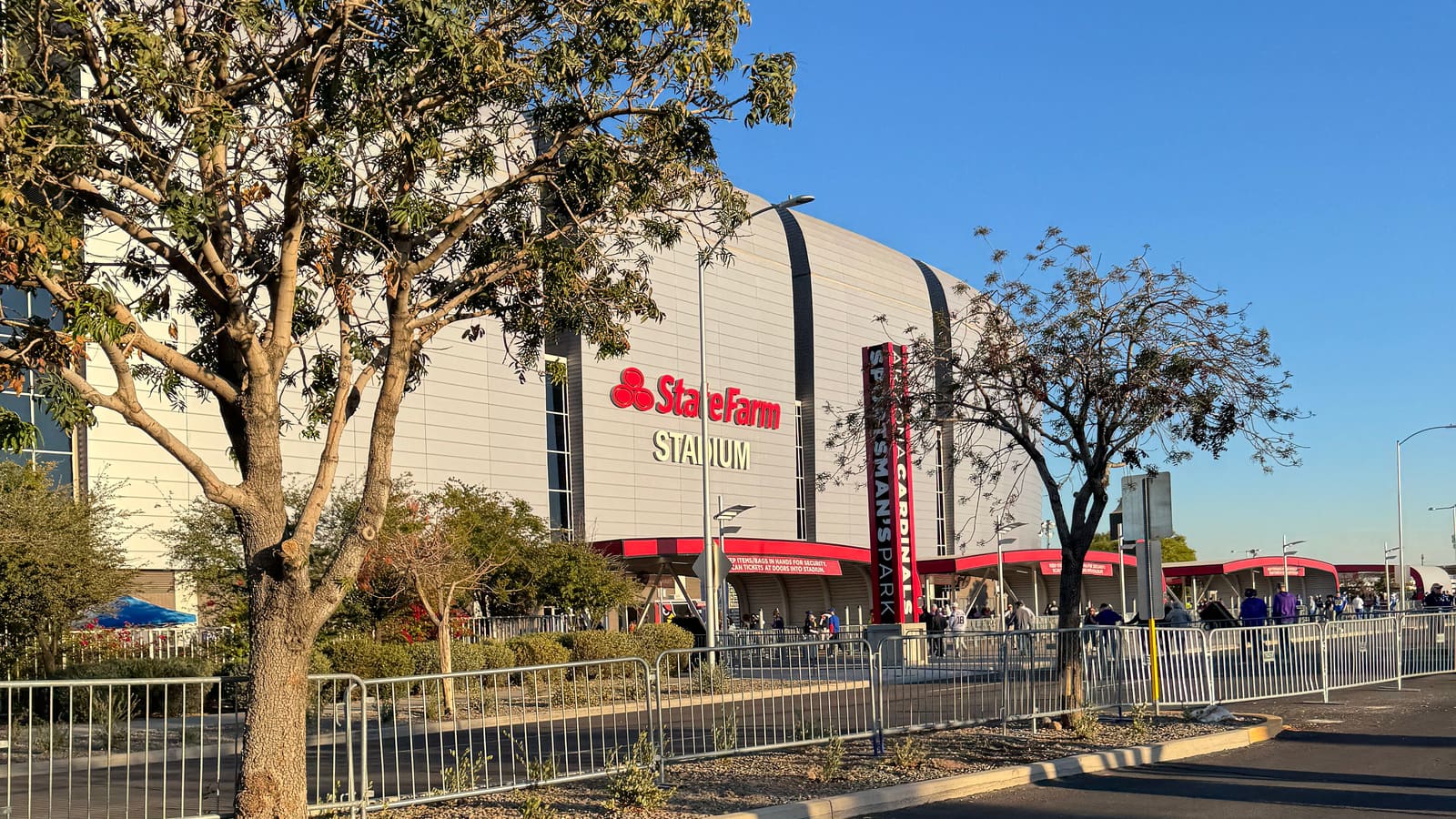
A round of golf pairs naturally with a broader West Valley visit built around a game at State Farm Stadium, an event at Desert Diamond Arena, or a spring training trip. Golf mornings followed by an evening event is a common pattern for visitors trying to make the most of a short stay. If you are also weighing where to stay, our where to stay in Glendale guide notes which areas put you closer to the stadium district versus closer to the wider cluster of West Valley courses.
However you structure the trip, treat every price, tee time policy, and course-specific detail in this guide as a general starting point rather than current fact, and confirm directly with the course before you go.