By The Lowdown Guide Editorial Team · Last updated: 2026-07-23
1. What a Grand Canyon winter actually feels like
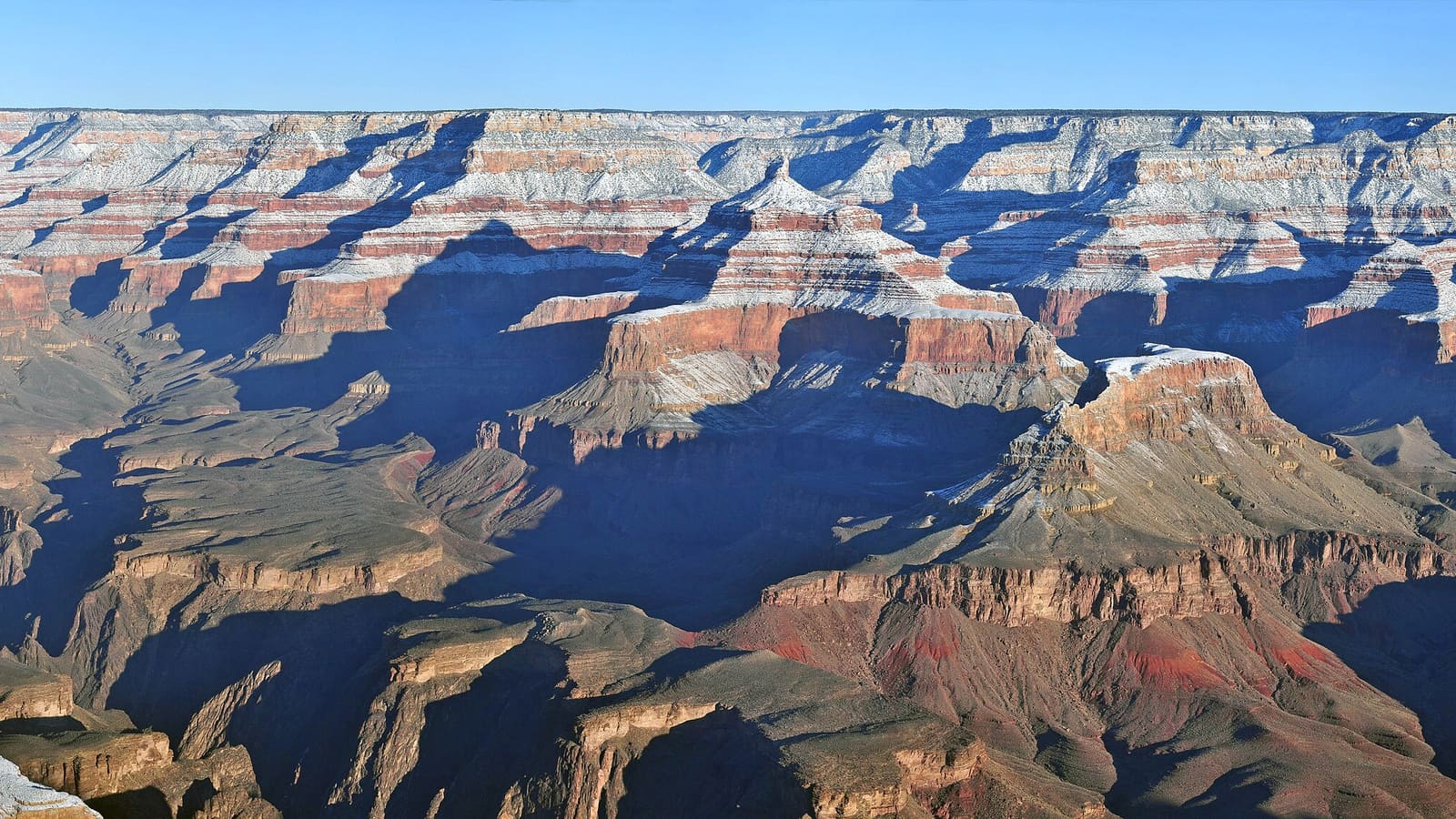
The South Rim sits at roughly 7,000 feet in elevation, which means winter here behaves more like a mountain town than a desert postcard. Per the NPS, rim afternoon highs in winter average in the 40s Fahrenheit, while overnight lows are generally in the teens along the rim — well below freezing. Snow is a normal part of the season rather than a rare event, and a dusting on the rim can linger in shaded spots for days. Conditions shift from one storm system to the next, so treat any specific temperature range as a rough guide rather than a promise.
Inside the canyon, temperatures are milder because of the elevation drop, which is part of why below-rim hiking stays possible through the winter months for prepared hikers. The contrast between a cold, occasionally snowy rim and a much milder inner canyon is one of the more disorienting parts of a winter visit if you have not experienced it before. Layered clothing that you can add and remove throughout the day matters more in winter than in any other season. Check the NPS current conditions page before you travel, since it is updated more frequently than any third-party guide can be.
2. Road and service closures to expect
The single biggest closure to plan around is the North Rim. In a typical year, developed facilities close around October 15, the campground closes by the end of October, and the entrance road (Highway 67) is officially closed by ADOT around December 1 (it isn't plowed after that), reopening around mid-May. If your trip is built around seeing the canyon from the North Rim, winter is not the season for it, since the South Rim is effectively the only rim with regular visitor access through the cold months.
2026 season note: Even outside winter, don't assume the North Rim's usual services will be waiting when it reopens. The July 2025 Dragon Bravo Fire destroyed the historic Grand Canyon Lodge and other structures. Per the NPS, the North Rim reopened for day use and camping on May 15, 2026, but no overnight lodging is available on the North Rim for the 2026 season, and full rebuilding of the lodge is expected to take several years. If you're planning any North Rim visit — winter or otherwise — confirm current lodging and facility status with the NPS before you go.
On the South Rim itself, the core loop road and Desert View Drive generally remain open, though the park may temporarily close sections after a heavy snowfall until plows clear them. Some seasonal facilities, food service locations, and visitor center hours scale back in winter compared to peak summer staffing. None of these closures are fixed on a calendar the way the North Rim's are, since they depend on the specific winter and specific storm, so a same-week check of the NPS conditions page before departure is the only reliable way to know what is open.
3. What stays open on the South Rim
Grand Canyon Village, the Rim Trail, and the main lodges generally operate through the winter, though a smaller subset of dining rooms and shops may be running than during the busy summer months. Getting around without a car is still workable: the National Park Service states that the Village (Blue) Route operates year-round, though it runs on shorter winter hours than in summer. The seasonal routes are the ones to watch — Hermits Rest (Red) and Tusayan (Purple) run on a summer schedule — so confirm the current schedule with the NPS before you count on any specific route. See our shuttle bus guide for how the route system works and how it can change seasonally.
Hermit Road is closed to private vehicles from March through November. Per the NPS, private vehicles are allowed on Hermit Road during the winter off-season (roughly December through February), when the Hermit Road shuttle is not running. This detail changes from year to year and is worth confirming directly with the park before you plan a self-drive sunset run. Desert View Drive and its viewpoints, covered in our Desert View Drive guide, typically remain accessible by car through the winter, snow permitting. See our best time to visit guide for how winter compares to the rest of the year.
4. Snow, ice, and below-rim trail conditions
The upper sections of Bright Angel and South Kaibab are where winter conditions matter most. Snow that partially melts during the day and refreezes overnight creates a layer of ice on the switchbacks that is genuinely hazardous without traction aids. Microspikes or similar traction devices are commonly recommended for the first mile or two of descent in winter, and hikers regularly report needing them well into what would be a shaded, shorter hike in summer.
Trail conditions can differ meaningfully between a trail's sun-exposed sections and its shaded switchbacks, sometimes within the same half-mile. It is common for the lower half of a trail to be clear and dry while the upper half stays icy for days after a storm. Our Bright Angel Trail guide covers resthouse spacing and turnaround points that apply in any season, but always check current trail-specific conditions with the park before a winter hike, since they change faster than any published guide can track.
5. Fewer crowds: the real trade-off
Winter is consistently the quietest season at the South Rim. Parking lots that fill by mid-morning in summer often have open spots throughout a January day, and popular viewpoints that draw a crowd at sunset in peak season can feel close to empty. For visitors who value quiet over convenience, this is a real and significant upside, and it is the main reason repeat visitors often prefer a winter trip.
The trade-off is shorter daylight hours, colder conditions for extended outdoor time, and a reduced set of open dining and retail options compared to summer. If your priority is photography or a slower-paced visit rather than maximum below-rim mileage, winter's crowd levels can make it worth the extra clothing layers. Our South Rim vs North Rim comparison is also useful context since the North Rim option is off the table entirely in winter.
6. Preparing for a winter visit
A real winter coat, hat, gloves, and warm layers for the rim are non-negotiable, even for visitors who are only walking short distances between viewpoints. Traction devices aren't just for below-rim hikers: per the NPS, the paved Rim Trail itself can have snow-packed, icy, and muddy sections in winter, and slip-on traction devices and trekking poles are recommended for casual rim walking too, not only backcountry trails. If you plan any below-rim hiking, add traction devices there as well, and check the specific trail's current condition report rather than assuming last week's report still applies. Our Grand Canyon packing list covers the broader gear picture across all three visit types, and winter simply adds a cold-weather layer on top of it.
Book lodging and any guided activities with a flexible cancellation policy where possible, since winter storms occasionally affect travel plans on short notice. Roads to the park from Flagstaff or Williams can see winter weather advisories, so build extra drive time into your schedule rather than cutting it close.
Book a Guided Grand Canyon Experience
Guided winter tours, photography workshops, and multi-day trips can help you navigate seasonal closures and shorter daylight hours with local expertise.
Browse Grand Canyon Tours on Viator →Affiliate link — we earn a small commission at no cost to you.