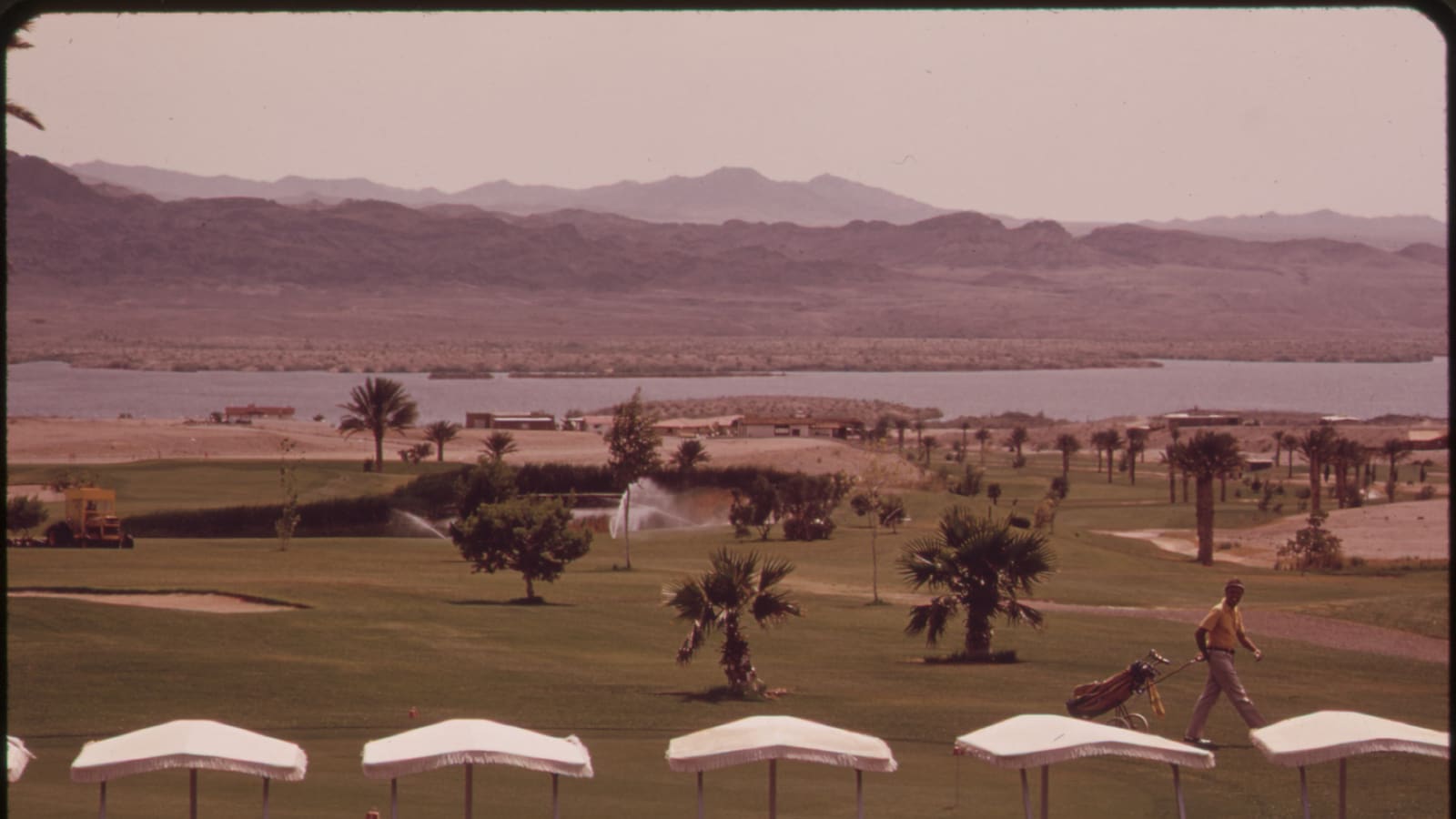
Why Golfers Come to Lake Havasu City
Lake Havasu City sits in a stretch of the Arizona desert where winter days are mild and sunny, which is exactly why it draws a heavy snowbird population every year. Golf is part of that draw. The area has a mix of public and semi-private courses built into desert terrain, so visitors can expect the layouts typical of the region: open fairways, elevation changes, and native desert landscaping bordering the turf rather than trees. If you're weighing Lake Havasu against other Arizona golf bases, it's worth reading our best time to visit Lake Havasu guide first, since golf season and tourist season track closely together here.
Golf in this part of Arizona is a year-round activity, but the experience changes a lot depending on when you play. That's the biggest planning variable for anyone coming from out of state.
The Kinds of Courses You'll Find
Lake Havasu City and the surrounding area have a mix of course types rather than one dominant style:
- **Municipal and public courses** — open to any paying golfer, typically the most straightforward to book online or by phone, and usually the most budget-friendly option. - **Semi-private courses** — often attached to a resort or community, may prioritize members or guests during peak times but generally sell tee times to visitors as well, sometimes at a different rate than members pay. - **Desert-style layouts** — expect target golf in places, with native desert vegetation, sand, and rock separating fairways rather than continuous rough. Course conditions and design vary a lot from one property to the next, so don't assume every course in the area plays the same.
Because course inventory, ownership, and hours can change, we're intentionally not naming specific clubs, quoting green fees, or citing yardages here — check each course's official website or call ahead for current rates, tee sheet, and course conditions before you plan a round around it.
Snowbird Season: What Winter Golf Is Actually Like
Winter is peak season for golf in Lake Havasu City, and it's also peak season for the snowbird population that fills the area from roughly late fall through early spring. That overlap matters for planning:
- Daytime temperatures in winter are typically comfortable for golf most of the day, not just early morning. - Course traffic increases substantially as snowbirds settle in for weeks or months at a time, so tee sheets fill up faster than they would in the off-season. - Many snowbirds golf regularly and have preferred tee times or standing groups, which can make prime weekend and mid-morning slots harder to land as a visitor.
If your trip lines up with snowbird season, treat tee time booking as something to handle early rather than something to figure out once you arrive. See our Lake Havasu winter snowbird guide for the broader seasonal picture beyond golf.
Booking Tee Times in Peak Season
A few habits make peak-season booking smoother:
- **Book as far ahead as the course allows.** Booking windows vary by course, some open tee sheets a week or two out, others less. Check the specific course's policy rather than assuming. - **Call if the online system looks full.** Cancellations happen, and some courses hold back a portion of their tee sheet for phone bookings. - **Ask about resident or guest rates.** Semi-private courses in particular may have different pricing for community residents, resort guests, and general public, and that can affect availability as much as price. - **Have a backup course in mind.** With multiple courses in the area, if your first choice is booked, a second option nearby can often fill the same day or time slot. - **Confirm cart and walking policies.** Desert courses vary on whether walking is allowed, especially as temperatures rise later in the season.
Desert Golf Tips: Heat, Timing, and Water
Desert golf rewards a different set of habits than golf in cooler, wetter climates:
- **Play early once temperatures climb.** Outside of the winter months, Lake Havasu City gets hot fast, and by late spring through early fall, an early tee time is less about beating crowds and more about beating the heat. First-light rounds are common practice locally once summer approaches. - **Hydrate more than feels necessary.** Dry desert heat doesn't always feel as brutal as humid heat, which makes it easier to under-hydrate without noticing. Bring more water than you think you'll need, and refill whenever a course has a station. - **Expect firm, fast conditions.** Desert courses often play firmer and faster than turf-heavy courses elsewhere, which affects club selection and roll on approach shots. - **Sun protection is not optional.** Sunscreen, a hat, and sunglasses matter for a full round in open desert terrain with little natural shade. - **Watch the wind.** Open desert layouts can be exposed to wind, which affects club selection more than a tree-lined course would.
Pairing Golf With the Lake and Route 66
One advantage of Lake Havasu City as a golf destination is that golf is rarely the only thing on the itinerary. The town is built around Lake Havasu itself, and a golf trip pairs naturally with time on or near the water, from boating to simply relaxing at a lakefront spot after a round.
The area also sits along a stretch of historic Route 66, which gives visitors an easy half-day or full-day detour if they want a change of pace from golf and the lake. A common pattern for snowbird and vacation trips is a few days split between golf, the lake, and local sightseeing rather than golf-only. For a sense of how those pieces fit together, our Lake Havasu 3-day itinerary and general things to do in Lake Havasu guide both cover the non-golf side of a trip. After a round, our Lake Havasu restaurants guide is a good next stop for where to eat.
Planning Your Trip Around Golf
If golf is the centerpiece of your Lake Havasu trip, a few planning steps go a long way:
1. Decide your travel window with golf season in mind. Winter offers the mildest weather but the most competition for tee times; shoulder seasons can offer a middle ground of decent weather and lighter tee sheets. 2. Line up lodging near the courses you plan to play, or near the lake if you want an easy split between the two. Our where to stay in Lake Havasu guide breaks down the main lodging areas. 3. Book tee times as early as each course's system allows, especially for winter weekend rounds. 4. Build in non-golf days for the lake and Route 66 so the trip doesn't feel like a single-activity visit.
Golf in Lake Havasu City works best when you treat it as one part of a broader desert-and-lake trip rather than the whole plan, especially if you're visiting during the busy snowbird months.