Why Snowbirds Choose Lake Havasu
Lake Havasu City sits at a genuinely low desert elevation along the Colorado River -- the city's own planning documents put ground elevations from roughly 450 feet above sea level at the lake to about 1,700 feet up in the mountain foothills -- which gives it noticeably milder winters than Arizona's high country and than the snowbird-heavy Midwest and Canada many long-stay winter visitors are escaping. That combination of mild daytime temperatures and a lake to spend time on makes it a regular stop on the winter snowbird circuit.
The trade for that mild winter is a hot summer, which is exactly why the seasons split the way they do here -- summer belongs to boaters and vacationers, and winter belongs to the longer-stay crowd.
What Winter Weather Actually Feels Like
Winter days in Lake Havasu City tend to be mild and sunny, a contrast to both the punishing summer heat and to colder climates elsewhere in the country, which is the whole draw for a long winter stay. Nights can still cool down more than visitors expect from a desert town, so layers are worth packing even if the days feel warm.
For a fuller month-by-month comparison of winter against the rest of the year, see our best time to visit guide.
The RV and Snowbird Scene
Lake Havasu City has an established winter RV and long-stay community, with visitors returning to the same parks or communities year after year for the season. If you are new to the snowbird scene here, expect a range of options from full-service RV resorts to more basic parks, and book ahead for the winter months since returning snowbirds often reserve spots well in advance.
Confirm current site availability, amenities, and length-of-stay policies directly with a park before committing, since these details vary widely and change season to season.
What Stays Open in Winter
The London Bridge, English Village, and most restaurants and shops in town operate year-round, so winter visitors are not missing the core sights. Some of the more seasonal boat-rental and tour operations may run reduced hours or a smaller fleet compared to the summer peak, so it is worth checking current hours or booking ahead rather than assuming summer-level availability.
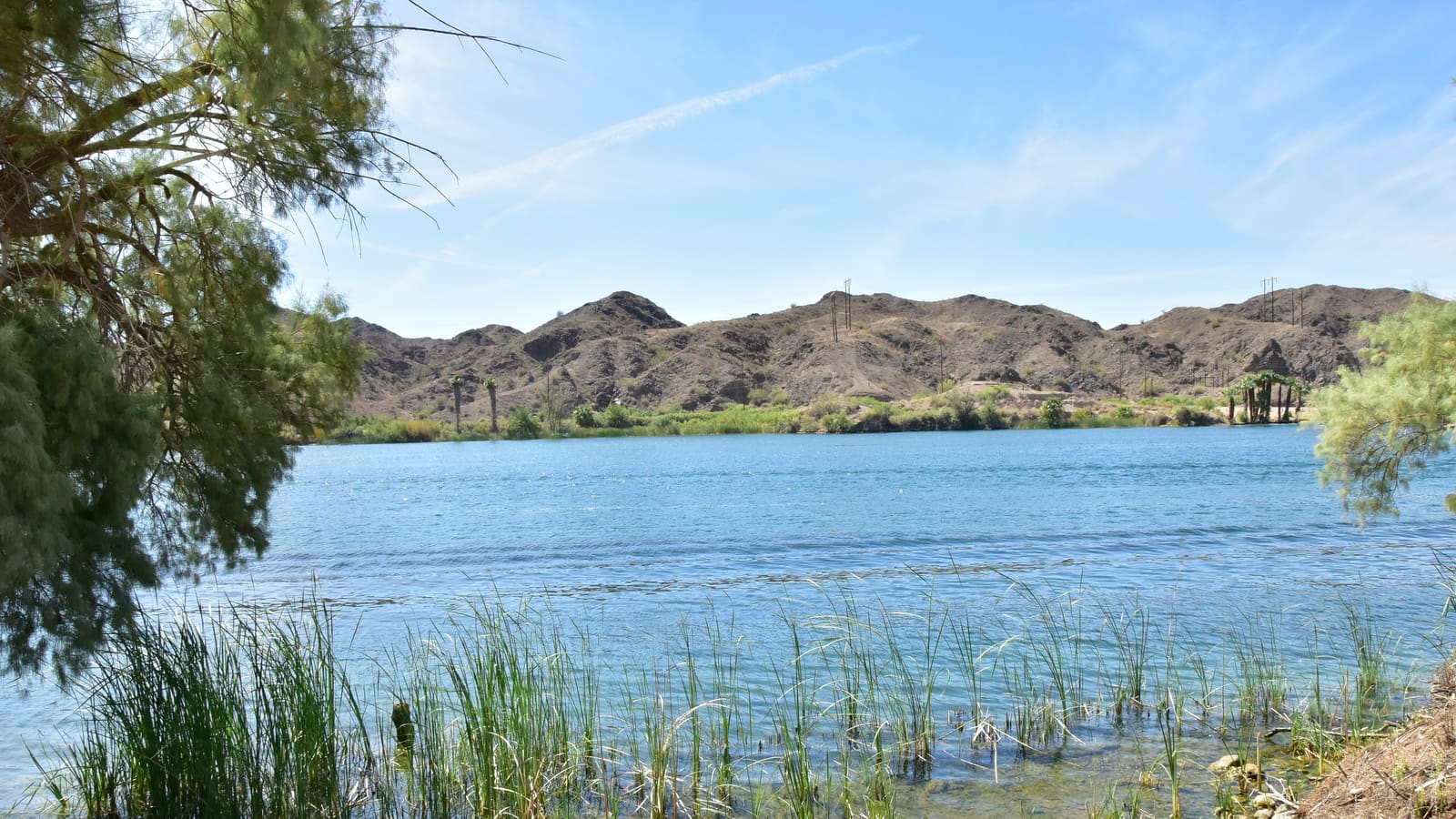
The lake itself stays accessible in winter, though water temperatures are cooler and swimming is much less of a draw than it is in summer -- and that is a safety point, not just a comfort one. See the cold-water section below before you plan any winter time on the water.
Things to Do in the Quieter Season
Winter trades the crowded summer channel for a quieter town, which makes it a good season for the London Bridge walk, spotting the city's replica lighthouses along the shoreline -- Lake Havasu City has 28 scaled-down working navigational replicas, and the visitor center in English Village keeps the list of which ones you can reach on foot or by car -- and desert hikes at Sara Park without competing for parking or trail space. Milder daytime temperatures also make hiking more comfortable than during the peak summer heat covered in our hiking guide.
Sara Park's best-known route, the Crack in the Wall trail through the slot canyon down to Balance Rock Cove, is roughly five miles round trip with rocky scrambling and no shade, water, or reliable cell coverage. Even on a mild winter day, carry far more water than you think you need, tell someone your plan, wear real footwear, and turn around rather than push on if the scramble is beyond anyone in your group.
Boating is still possible in winter, and the quieter channel can make for a more relaxed outing than a packed summer weekend -- but cold water is the winter hazard that catches people out, precisely because the air feels pleasant. Arizona State Parks notes that Colorado River temperatures range from temperate in the shallows to near-freezing in open water, and the National Weather Service warns that cold shock -- the involuntary gasp and rapid breathing that can drown even a strong swimmer in the first two or three minutes of immersion -- is triggered by water as warm as 77°F and is just as dangerous at 50 to 60°F as it is at near-freezing. The NWS guidance is to dress for the water temperature rather than the air temperature and to wear a life jacket in and around the water, which significantly increases survival odds. Arizona law still applies year-round: A.R.S. 5-331 requires a Coast Guard-approved flotation device in good and serviceable condition for every person aboard, kept readily accessible, and a child twelve years of age or under must wear a properly fitting one whenever the vessel is underway. There are no lifeguards on Lake Havasu in any season.
Practical Notes for a Longer Winter Stay
If you are planning an extended winter stay rather than a short visit, book RV or long-stay lodging as early as possible, since popular parks fill for the season well ahead of time. Confirm which services -- groceries, medical, laundry -- are convenient to your chosen location, since a longer stay makes proximity matter more than it would for a weekend trip.
Time your drive in and out with the desert in mind. The National Weather Service fixes Arizona's monsoon season at June 15 through September 30, so an early arrival in September or a late departure in June can put you on the road during the season's blowing dust, sudden downpours, and flash flooding -- if you meet a dust storm, ADOT's "Pull Aside, Stay Alive" guidance is to slow down early and pull completely off the paved roadway -- not into a travel lane or the emergency lane -- then set the parking brake, turn off every light including your hazards, take your foot off the brake so following traffic cannot use your tail lights as a guide and steer into you, and stay belted in the vehicle until it passes. Late-spring departures also mean real heat: drink water steadily even when you do not feel thirsty, and never leave a child or a pet in a parked vehicle, even briefly with the windows down.
Our things to do roundup and day trips guide are both useful for filling the extra time a longer winter stay affords, beyond what a typical short vacation would cover.