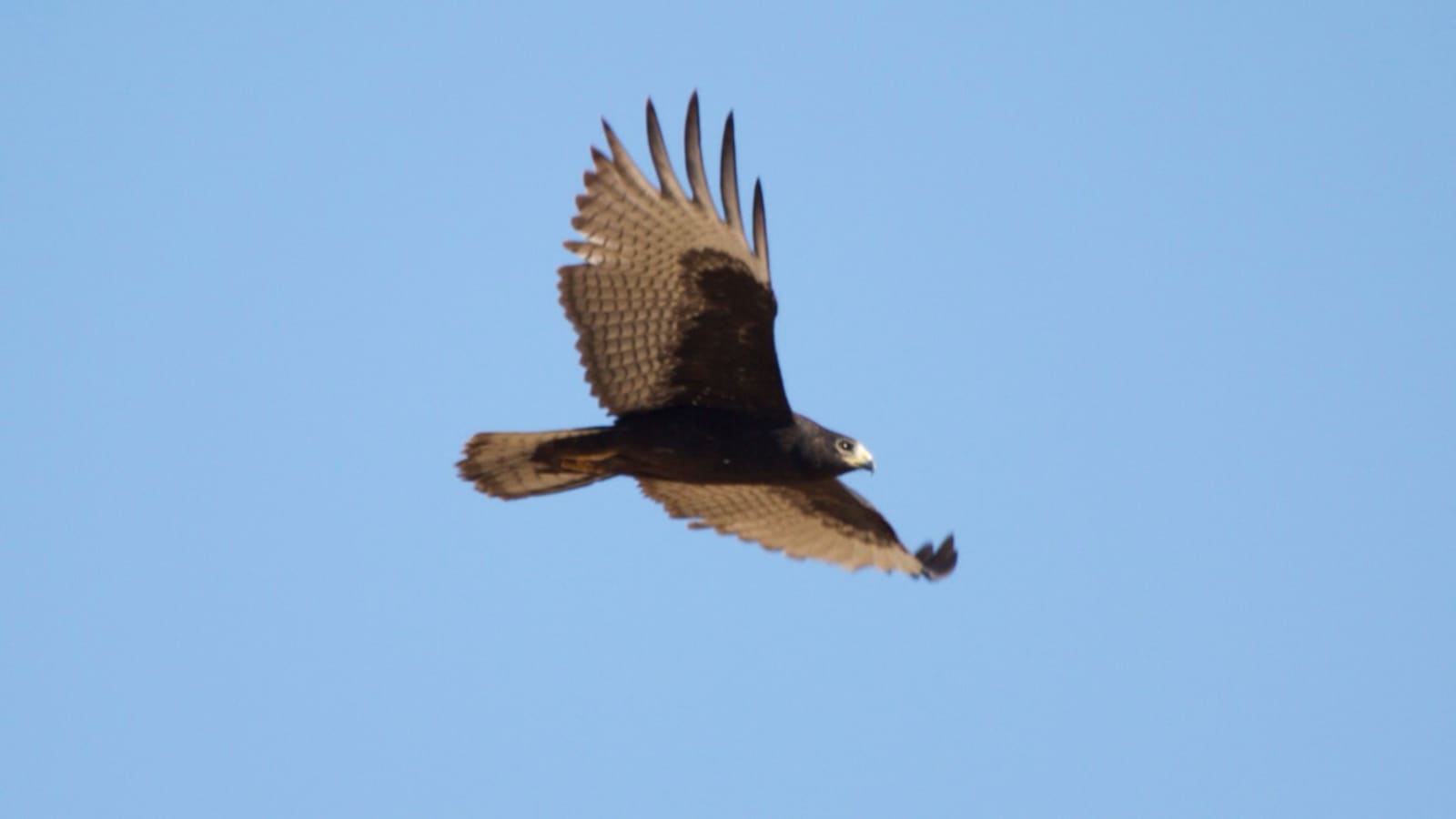
Why This Area Draws Wildlife
The Colorado River corridor is a strip of water and green in a very dry landscape, and animals concentrate along it. Lake Havasu sits within that system, and the mix of open reservoir, reedy marsh, and rocky cliff gives different species different places to feed and rest. Most people come for boating and beaches, but the same water that supports the resort town also supports a lot of bird life.
The Havasu National Wildlife Refuge, established in 1941 to provide migratory bird habitat, protects about 30 river miles of the lower Colorado River. Refuge lands are managed by the U.S. Fish and Wildlife Service, which sets the rules on access, seasonal closures, and permitted activities. Those details change, so verify with USFWS before you plan a specific route.
Topock Marsh and Topock Gorge
Two areas stand out for wildlife viewing. Topock Marsh, a roughly 4,000-acre wetland on the refuge, attracts waterbirds. Part of the marsh is closed to all entry, including fishing, from October 1 through the end of the state waterfowl season, so it is not an option for fall and early-winter visits. Quiet paddling is a common way to see marsh birds, since a slow, silent approach disturbs them less than a motor. Topock Gorge is a scenic stretch of river with steep rock walls, reached by boat or paddle craft, where you may see birds and bighorn along the cliffs and shoreline. Boat mooring is not permitted on the refuge.
Access to these areas often involves a boat or paddle craft, and some areas have seasonal restrictions to protect nesting or wintering birds. Do not assume a channel or backwater is open. Check current refuge maps and notices. Our boating guide covers general water safety, and the longer Lake Havasu boating guide covers rentals and launch basics.
Migratory Birds and Seasons
Water in the desert acts like a stopover for migrating birds, so the mix of species changes through the year. Fall, winter, and early spring are generally the most productive seasons, when migrating and wintering waterbirds may use the lake and refuge (the closed part of Topock Marsh is off limits through waterfowl season). Summer is hot, and activity tends to be limited to the early morning hours.
We will not promise a species list, because sightings vary by year, weather, and water levels. Instead, use a bird checklist tool such as eBird to see what observers have reported recently near Lake Havasu, and bring a field guide or a bird identification app. Look for waterbirds like grebes, ducks, herons, and egrets, which are commonly associated with this kind of habitat, and listen for calls in the reeds.
Desert Bighorn and Other Wildlife
Desert bighorn sheep are associated with the rugged mountains of western Arizona, and it is possible, but never guaranteed, to spot them on rocky slopes. They blend into the terrain, and patience with binoculars beats hopeful driving around. Treat any sighting as a bonus rather than a plan.
Other desert wildlife includes lizards, small mammals, and desert tortoise in some habitats. Do not touch or feed wild animals, and keep your distance. Snakes are part of the desert, so watch where you put your hands and feet and never reach into rock crevices.
Viewing Ethically and Safely
Good wildlife watching is mostly about restraint. Stay on established routes, keep noise down, and never approach nesting birds. Binoculars and a long lens let you see detail without disturbing anything. Early morning and evening are the best times for both activity and comfortable temperatures.
Heat is the main hazard. Carry plenty of water, wear sun protection, and know that temperatures can climb quickly. Read the weather guide before you choose a season, and browse things to do if you want to pair wildlife time with other activities. For an overview of the destination, see the Lake Havasu City guide.
Trip Planning Tips
Pack for a slow morning rather than a long hike. Binoculars matter more than anything else, and a small notebook or phone notes app helps you log what you saw and where. If you are new to birding, focus on learning the common waterbirds first; recognizing shape, size, and behavior at a distance is more useful than memorizing rare species. Visit at the same spot at different times of day to see how activity changes, and remember that wind can push birds deeper into reeds, so calmer mornings often show more.
Check the official USFWS page for the Havasu National Wildlife Refuge before you leave for current alerts, closures, and rules. Cell coverage can be spotty in remote areas, so download maps ahead of time. Tell someone your plan if you go into backcountry areas.