Where Desert Botanical Garden Sits, and What to Expect
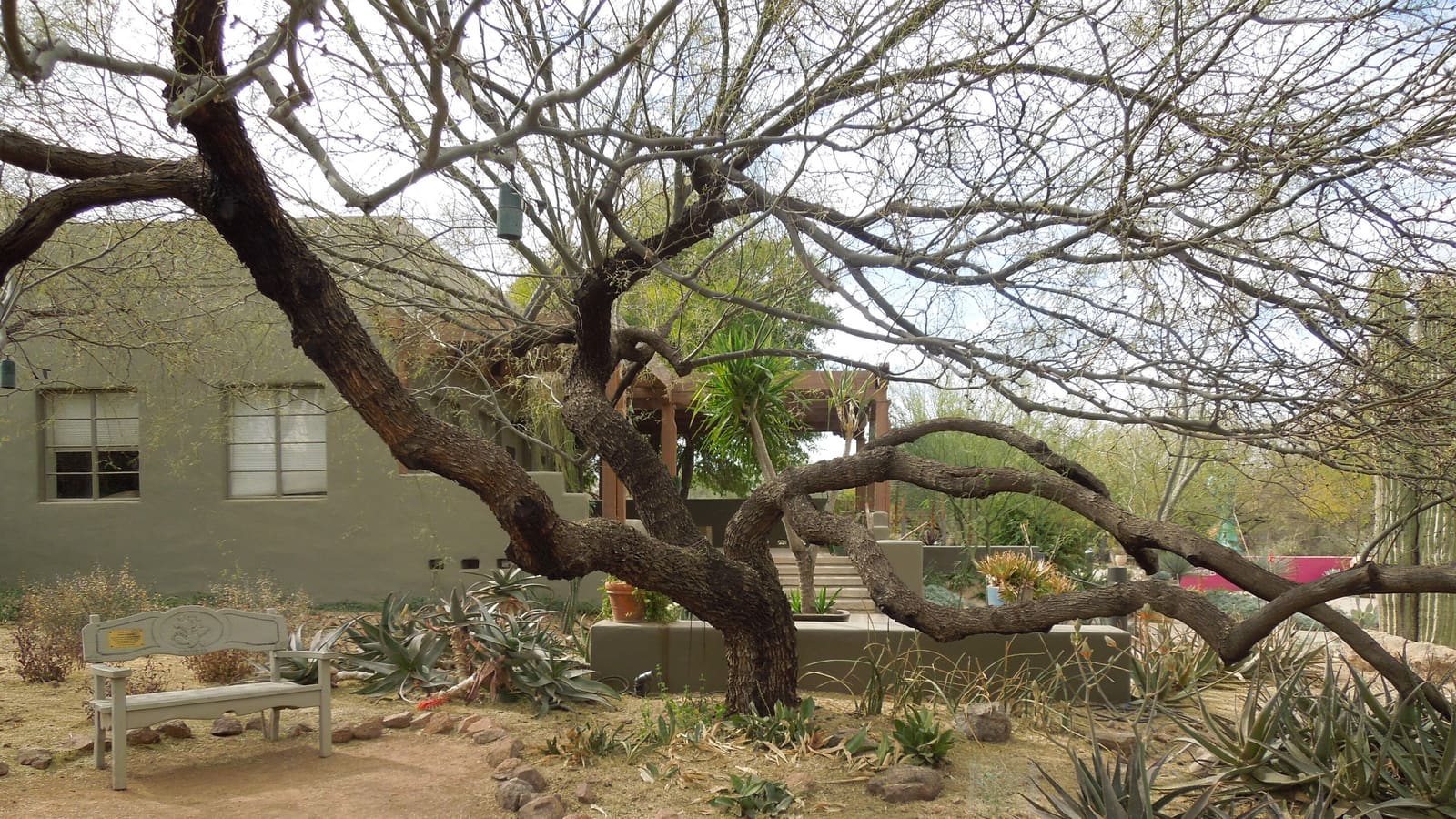
Desert Botanical Garden occupies a section of Papago Park on the east side of Phoenix, close to the Phoenix Zoo and a short drive from both Tempe and Scottsdale. It's built specifically around Sonoran Desert plant life rather than a general botanical collection, which gives it a distinct identity among the country's public gardens.
The garden is organized around a set of marked trails that loop through different plant collections and desert themes, anchored by the paved Desert Discovery Loop Trail of roughly a third of a mile. Most visitors spend somewhere between one and a few hours depending on how many trails and any current exhibits they choose to see. Check the official site's current trail map before you go, since trails and exhibits are periodically added or rerouted.
Sonoran Desert and Cactus Collections
The garden's core draw is its Sonoran Desert plant collections -- large saguaro specimens, a range of other cactus species, agave, and desert wildflowers, arranged along themed trails that walk visitors through the ecology of the surrounding desert rather than just displaying plants in isolation. It's a genuinely different experience from a typical municipal garden built around lawns and ornamental beds.
Because the collections are living desert plants rather than a static exhibit, what's blooming or most visually striking shifts by season -- cactus flowers and desert wildflowers are generally most active in spring, while the structural cactus and succulent collections hold visual interest year-round. Check the official site for a current bloom or seasonal-highlight guide before your visit.
Spring Wildflowers
Spring is generally the most colorful season at the garden, when desert wildflowers and cactus blooms are most likely to be active across the collections, weather and rainfall depending. Timing a spring visit around peak bloom is inherently uncertain from year to year, since desert wildflower seasons vary with winter rainfall.
If a wildflower-focused visit matters to your trip, check the garden's official site close to your travel dates for current bloom reports or seasonal guidance, rather than assuming a specific week will match a previous year's bloom. Spring visits also benefit from the milder daytime temperatures that make longer trail walks more comfortable than in summer.
Las Noches de las Luminarias
The garden's best-known seasonal event is its holiday-season evening program, when trails are lit by luminarias -- traditional paper-bag lanterns -- for an evening walk through the desert landscape after dark. It runs on a seasonal schedule around the winter holidays and is a genuinely different experience from a daytime visit.
The event typically requires its own ticket separate from standard daytime admission and tends to draw significant crowds, so advance planning matters more here than for a routine daytime visit. Check the official site for current dates, hours, and ticket details, since both the schedule and the ticketing approach are subject to change year to year.
Timing Your Visit to Beat the Heat
Early morning, close to opening, is the most comfortable time to visit for most of the year, and it becomes close to essential in the hotter months, since the garden's trails offer limited shade and desert heat builds quickly once the sun is fully up. A late-afternoon or early-evening visit can also work in cooler shoulder seasons.
In the height of summer the garden runs an extended hot-weather schedule -- dbg.org currently lists 6 a.m. to 10 p.m. with the trails and dining closed from 1 to 5 p.m. for peak heat -- so the usable windows are early morning and evening rather than midday. The National Weather Service office in Phoenix advises doing strenuous outdoor activity in the coolest part of the day, usually between 4 and 7 a.m. Confirm the garden's current hours before planning a summer visit, since these seasonal adjustments change year to year.
Tickets, Hours, and Practical Visiting Tips
Admission, hours, and any current discounts or membership options are set by the garden and do change, so check the official Desert Botanical Garden site for current ticket prices and hours before you go rather than relying on a figure from a previous trip or a third-party listing.
Bring more water than feels necessary -- the National Weather Service in Phoenix advises drinking 1 to 2 liters per hour for anyone spending time outdoors in the heat, and drinking before you feel thirsty -- along with sun protection, a hat, and comfortable walking shoes for the trail surfaces. The NWS monsoon season runs on a fixed window of June 15 through September 30, when afternoon thunderstorms can bring lightning and blowing dust with little warning; that is another reason to favor a morning visit and to leave the open trails if a storm builds. Check the official site for current stroller, wheelchair-accessibility, and food-and-drink policies if any of those matter for your visit. Parking and entrance details are also worth confirming ahead of time, since Papago Park hosts multiple attractions with separate lots.