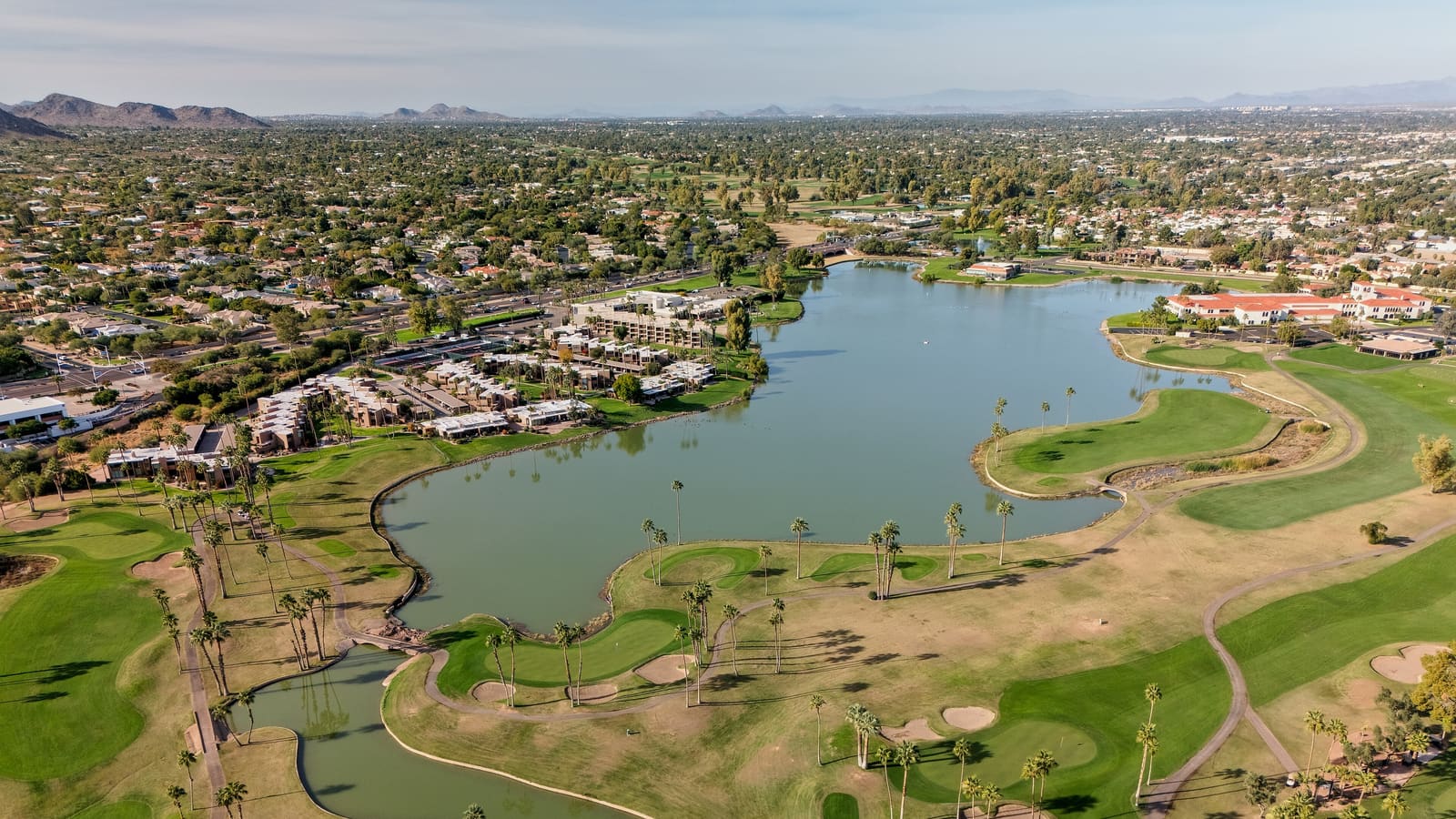
Why the Valley Is a Golf Destination
The Phoenix-Scottsdale area, often called the Valley of the Sun, has one of the highest concentrations of golf courses of any metro area in the country, built around a climate that supports outdoor golf for most of the year. Mild winters are the main draw -- while much of the country is dealing with cold or snow, the Valley offers consistently playable daytime temperatures.
That combination of course density and a long playable season has made golf tourism a genuine part of the region's identity, alongside spring training baseball and desert resort travel. Courses here range from municipal and public daily-fee layouts to high-end resort and signature designs, which means the destination works across a wide range of budgets and trip styles.
Public and Municipal Courses vs. Resort Courses
Public and municipal courses across the Valley generally offer a more affordable, walk-up-friendly round without the amenities or price tag of a resort course, and there are enough of them spread across Phoenix, Scottsdale, and neighboring cities that a straightforward golf trip doesn't require booking a resort stay at all.
Resort courses, by contrast, typically bundle the round with practice facilities, dining, and sometimes lodging packages, at a correspondingly higher price point. Which category fits your trip depends on whether you're optimizing for cost and simplicity or for the fuller resort experience -- comparing a shortlist of specific course sites directly is the most reliable way to decide, since pricing and amenities vary considerably even within each category.
TPC Scottsdale and the WM Phoenix Open
TPC Scottsdale, home to the Stadium Course and the Champions Course, is the area's most recognized golf address, largely because the Stadium Course hosts the WM Phoenix Open -- the tournament many visitors still know by its former name, the Waste Management Phoenix Open. The tournament bills itself as the largest spectator golf event in the world, and its stadium-style par-3 16th hole is the reason why.
TPC Scottsdale describes itself as Arizona's only PGA Tour property, and both courses are open to public play outside tournament weeks -- the Stadium Course was designed by Jay Morrish and Tom Weiskopf and opened in 1986, and the Champions Course was reworked by Randy Heckenkemper in 2007. Tee times, pricing, and any resort-package requirements are set by the course and can change. If a visit built around the WM Phoenix Open itself is part of your plan, check the tournament's official site for current dates, since the event's exact scheduling can shift year to year.
Desert-Style Course Design
Many Valley courses use a desert-style design -- fairways and greens carved through native desert terrain, with natural desert landscaping, arroyos, and rock outcrops standing in for the water hazards and rough of a traditional parkland course. This tends to reward accurate target golf over raw distance and adds a visually distinct backdrop of saguaro and desert plant life to a round.
Not every Valley course follows this style -- some are built on more traditional turf-heavy layouts, particularly older municipal courses -- so if desert-style design specifically is part of the appeal for you, it's worth checking course descriptions or photos ahead of booking rather than assuming every Phoenix-area course looks the same.
Best Season to Play and Weather Considerations
Roughly late fall through spring is the Valley's classic golf season, when daytime temperatures are mild enough for a full round without heat becoming a real factor, and this window overlaps with the region's busiest tourism season overall. Expect tee times at popular courses to be harder to secure and demand to run higher during these months.
Summer golf is still possible but requires planning around the heat -- many courses shift to very early morning or, at some clubs, twilight tee times, and daytime temperatures can make a full round genuinely risky without proper hydration and sun protection. Check individual course sites for their current seasonal tee-time structure before booking a summer round.
Heat and Lightning: The Safety Part
Lightning. The National Weather Service sets Arizona's monsoon season as a fixed window, June 15 through September 30, and it is the stretch when afternoon thunderstorms build fastest. The NWS rule is: when thunder roars, go indoors. Its guidance is blunt about carts -- vehicles with open cabs, such as golf carts, tractors, and construction equipment, are not safe in a lightning storm. The safest locations are a sturdy building or a hard-topped vehicle, and the NWS says to wait 30 minutes after the last rumble of thunder before resuming play. If you are on the course when a storm approaches, NWS golf guidance is to put down your clubs, get away from metal golf carts, and stay away from isolated trees.
Heat. The NWS Phoenix office calls heat the number-one weather-related killer in the Southwest. It recommends 1 to 2 liters of water per hour for anyone spending time outdoors, more for strenuous activity, and says strenuous activity is best done during the coolest part of the day, usually between 4:00 and 7:00 a.m. Know the difference between the two heat illnesses: heat exhaustion shows up as cool, moist, pale skin, headache, dizziness, weakness, and nausea -- move the person somewhere cooler, have them rest, and if they are fully awake and alert give a half glass of cool water every 15 minutes. Heat stroke shows up as vomiting, confusion, a throbbing headache, reduced alertness or unconsciousness, a rapid weak pulse, and a body temperature that can reach 105 degrees F. That is a life-threatening emergency: call 9-1-1 and cool the body fast by any means available.
None of this makes a summer round off-limits -- it makes an early tee time, a full water supply, and a willingness to walk off the course the difference between a cheap round and a hospital visit. Check the forecast at weather.gov before you head out.
Planning a Golf Trip: Booking Tee Times and What to Expect
Green fees vary widely across the Valley, from affordable municipal rates to premium pricing at resort and signature courses, and rates also shift by season, generally running higher in the cooler, busier months. Rather than relying on a fixed figure, check each course's official site for its current rate sheet and any seasonal or twilight pricing, since green fees are one of the more frequently updated details in golf travel planning.
Most courses take online tee-time bookings directly through their own site or a golf-specific booking platform, and popular courses during peak season can book up well in advance. If your trip is built around a specific course, checking its official booking page early and confirming current policies on cancellations, dress code, and cart requirements will save surprises once you arrive.