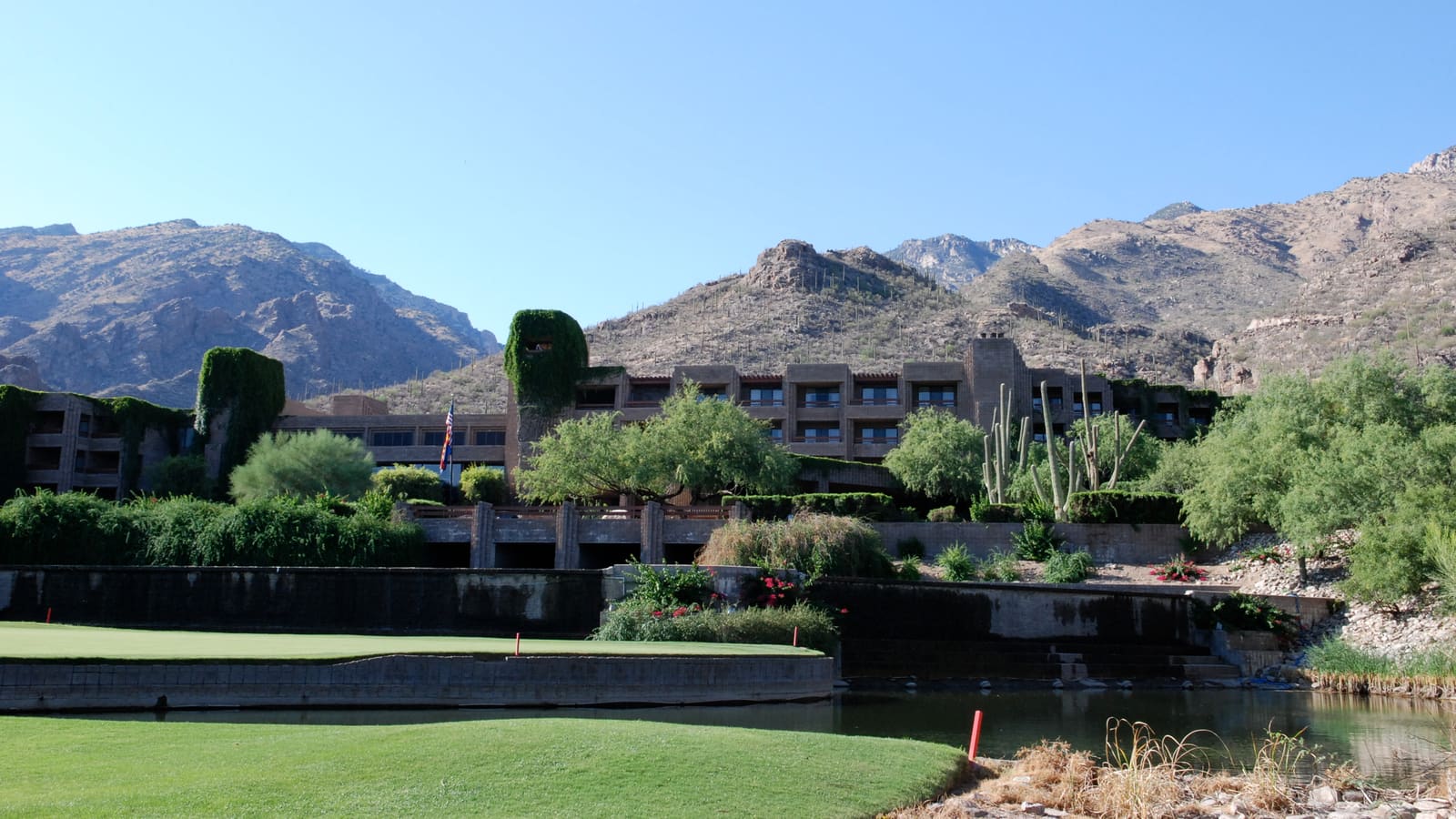
Why Tucson Is a Winter Golf Destination
Tucson sits in the Sonoran Desert at a meaningfully higher elevation than Phoenix -- the USGS puts Tucson's city elevation between roughly 2,250 and 2,950 feet, against 1,058 to 1,160 feet for Phoenix -- which moderates its climate slightly but still produces the same broad seasonal pattern found across southern Arizona: mild, comfortable winters and genuinely hot summers. That pattern is exactly what makes the region attractive for golf during the cooler months, when snowbirds and winter visitors from colder climates arrive specifically to play golf outdoors during a season when much of the country cannot.
Demand for tee times rises sharply during the winter season as a result, and course operators generally price accordingly, with higher winter rates and reduced summer rates reflecting the shift in demand. This seasonal rhythm is well established across the Tucson golf scene and shapes almost everything else in this guide, from when to book to what pricing to expect.
The Resort Course Scene
Several resort properties in and around Tucson operate golf courses as part of a broader destination offering that includes lodging, dining, and other amenities. These resort courses tend to be more heavily maintained and landscaped than municipal options, often incorporating desert vegetation and mountain views into the course design rather than relying purely on turf. Access policies vary -- some resort courses are open to outside public play at a different rate than resort guests, while others prioritize guest access, particularly during peak winter weeks.
Because resort course rates and access policies change seasonally and by property, this guide intentionally avoids naming specific courses or rates. Search current resort golf packages and course reviews directly, and confirm public play policies before assuming a resort course is open to non-guests.
Municipal and Public Courses
The city's own municipal golf operation, Tucson City Golf, lists five courses across four complexes: the Randolph Golf Complex, El Rio Golf Course, Fred Enke Golf Course, and Silverbell Golf Course. These generally offer a lower-cost alternative to resort play while still delivering the desert setting and mountain views that define golf in the area, and Tucson City Golf is explicit that they are open to visitors as well as locals -- "whether you're a longtime local or visiting Tucson for the first time." Municipal courses tend to see heavier play from residents, and tee time availability at the popular ones can be competitive during winter weekends.
Booking systems, discount-card programs, and course conditions vary by course and change over time, so check current rates and reservation policies directly on the Tucson City Golf site or with the individual course before planning a round. We deliberately do not quote green fees here -- they move with the season, and the course is the only reliable source for today's number.
High Desert Course Character
What distinguishes Tucson's high desert courses from more conventional golf settings is the way desert terrain is worked into the course itself rather than eliminated from it. Native desert landscaping, exposed rock, and washes appear along many fairways, and mountain backdrops -- the Santa Catalinas to the north, the Rincons to the east, and the Tucson Mountains to the west -- give courses a visual character tied specifically to the region rather than a generic golf-resort look.
That desert character also affects play itself -- ball retrieval near desert rough is generally discouraged given the terrain and wildlife, and course difficulty can vary more than at a flatter, more conventional layout. Reviewing a specific course's layout and difficulty rating before playing is worth the extra step if the desert elements are unfamiliar.
Best Months to Play
Roughly November through April is the widely recognized peak window for Tucson golf, with the most comfortable temperatures and the highest demand for tee times. Within that window, the shoulder months at either end -- November and April -- can offer a middle ground of good weather with somewhat lighter demand than the height of winter, though this varies year to year.
Summer play is possible but generally requires very early tee times to beat the heat, and many courses shift to reduced summer rates to reflect the lower demand. If flexibility allows, the cooler months provide a considerably more comfortable overall experience, but summer visitors who plan around the heat can still find playable conditions in the early morning.
Booking and Practical Notes
Book tee times as far ahead as a course's system allows during the winter season, particularly around holidays and weekends, since popular resort and municipal courses can fill during peak weeks. Rates, cart requirements, and dress codes vary by course -- check current policies directly with the course rather than assuming a standard applies across all of them.
Hydration matters on Tucson courses even in the cooler months, given the elevation and dry air, and far more so if you end up playing in the shoulder or summer months. The National Weather Service's extreme-heat guidance applies directly to a four-hour round: "Drink plenty of water, non-alcoholic and decaffeinated fluids, even if you don't feel thirsty," and "reduce, eliminate or reschedule strenuous activities until the coolest time of the day." In practice that means a dawn tee time rather than a mid-morning one from roughly May through September, water on the cart beyond what the beverage stand sells, and a hard willingness to walk in after nine holes. Sun protection is worth taking seriously year-round given how much of a round is spent in direct sun with no shade on most desert layouts, and dizziness, nausea, headache, or a stop in sweating are reasons to get into air conditioning immediately rather than finish the hole.
Lightning is the other exposure a desert golf course creates, and it is seasonal. Southern Arizona's monsoon runs through the end of September, and afternoon thunderstorms build fast over open ground. The National Weather Service is unambiguous that there is "little you can do to substantially reduce your risk if you are outside in a thunderstorm" and that "the only completely safe action is to get inside a safe building or vehicle." A golf cart is not safe shelter, and neither is an open-sided rain shelter or a lone tall tree -- the NWS names golf carts and open-sided shelters specifically as unsafe. Leave the course at the first thunder and wait 30 minutes after the last rumble before resuming play. Flash flooding is the related hazard: desert washes cut through many Tucson fairways and can run hard from rain that fell miles away, so do not cross a flowing wash to retrieve a ball.