What the Cactus League Is
The Cactus League is the collective name for Major League Baseball's Arizona-based spring training operation -- the counterpart to Florida's Grapefruit League. Teams use the six-week preseason window, typically running from mid-February through late March, to prepare rosters, evaluate prospects, and play a schedule of exhibition games open to the public. Arizona's dry climate and reliable sunshine during this window are part of why the state became one of MLB's two spring training hubs, alongside Florida.
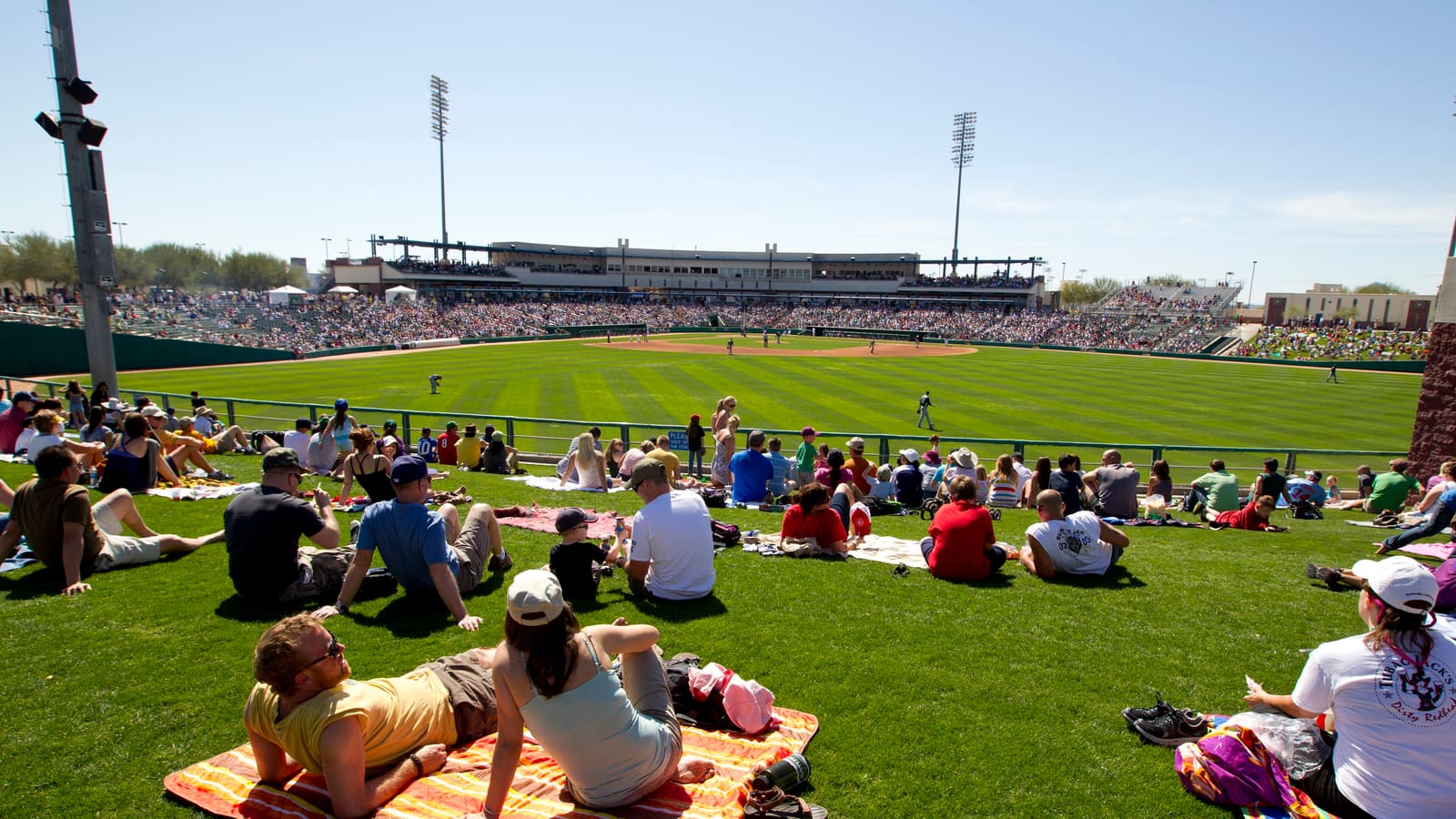
Spring training games have a different atmosphere than regular-season baseball: smaller stadiums, closer proximity to the field, more accessible autograph and interaction opportunities, and a generally more relaxed pace since the games don't count in the standings. Tickets are typically less expensive than regular-season MLB tickets, and the smaller venues mean fewer seats are genuinely bad seats.
Tucson's own history in the league is long and specific. The Cleveland Indians moved their spring training to Tucson in 1946 and stayed 46 years, leaving for Florida in 1992. The expansion Colorado Rockies took over Hi Corbett Field the following spring, in 1993, and remained through 2010. When the Rockies left after that spring, Tucson's run as a spring training host ended. Today the Cactus League's own site lists its 15 teams at ballparks in Glendale, Goodyear, Mesa, Peoria, Phoenix, Scottsdale, Surprise, and Tempe -- and none in Tucson -- so if you build a trip around the assumption that Tucson itself hosts spring training games, you will be driving north for every one of them.
Using Tucson as a Spring Training Base
Even without hosting active facilities, Tucson can still work as a base for a spring training trip, particularly for travelers who want lower hotel rates than the Phoenix metro area commands during peak spring training weeks, or who want to combine baseball with Tucson's own outdoor and cultural attractions -- Saguaro National Park, the Arizona-Sonora Desert Museum, and the food scene among them. The tradeoff is the drive: Phoenix is roughly two hours north via Interstate 10, and depending on which stadium you're headed to within the sprawling Phoenix metro area, that drive time can run longer.
A single game is a workable day trip from Tucson if you're comfortable with roughly four hours of round-trip driving on top of the game itself. If you want to see multiple games across different stadiums, or attend a night game and not drive back late, an overnight stay somewhere in the Phoenix area for a night or two is the more comfortable option, with Tucson serving as your base for the rest of the trip.
Traffic on Interstate 10 between Tucson and Phoenix can be heavier than expected around peak commuting hours and on weekends during spring training season, when the volume of fans traveling to games adds to the normal traffic. Building in extra time, especially for a specific first-pitch time, is a reasonable precaution.
Tickets and What to Expect at a Game
Spring training tickets are generally sold through each team's own website or through general ticketing platforms, and pricing varies by team, stadium, and specific matchup -- popular teams and weekend games command higher prices and sell out faster than weekday games between less prominent matchups. Buying in advance is the safer approach if you have a specific game or team in mind, particularly for marquee matchups. Day-of tickets are sometimes available for less popular games, but this isn't something to count on for a planned trip.
Spring training stadiums tend to be smaller and more intimate than regular-season ballparks, which means closer views of the field from most seats and more opportunities to see players up close during batting practice and pregame warmups. Lawn seating or berm seating is common at several Cactus League venues and tends to be among the least expensive ticket options, appealing to families and casual fans who don't need a reserved seat.
Because spring training rosters are larger than regular-season rosters and include prospects and non-roster invitees, the lineup that actually takes the field can vary game to game and inning to inning, including in the middle innings when regular starters are often substituted out. If seeing a specific star player is the goal, checking recent team announcements about planned appearances -- rather than assuming a full nine innings from any single player -- is the more realistic approach.
Tucson's Own Baseball and Sports Scene
The best baseball you can actually watch in Tucson in February and March is the University of Arizona Wildcats, and they play in the ballpark the Rockies vacated. Arizona announced the move to Hi Corbett Field in August 2011 and has played there since 2012 -- a 9,500-capacity historic ballpark at 700 S. Randolph Way, roughly two miles southeast of campus. The program now competes in the Big 12 Conference. Its home schedule runs concurrently with spring training season, which gives Tucson-based visitors a baseball option that doesn't require the Phoenix drive at all. Collegiate baseball has a different atmosphere than MLB spring training -- generally less expensive tickets, a more local crowd, and a faster-paced, competitive game since the outcomes count toward the college season.
The other former spring training site is Kino Veterans Memorial Stadium, the centerpiece of the Kino Sports Complex on Tucson's south side, operated by the Pima County Stadium District. It was built for professional baseball in the early 1990s and seats about 8,000 with lawn seating for roughly 3,000 more. It has not hosted MLB spring training since 2010, but the complex is still in heavy use: FC Tucson plays there, and the county describes the complex as a Major League Soccer preseason training home. Tucson has also periodically hosted minor league and independent league baseball, though team presence and league affiliations have shifted repeatedly -- verify current tenants with the Stadium District or the team rather than assuming any one season's lineup still holds.
For visitors whose primary goal is baseball but who also want the broader Tucson experience -- outdoor recreation, food, and the Sonoran Desert scenery -- building a trip around a University of Arizona home series plus a single day trip to a Cactus League game in Phoenix covers both bases without requiring a full relocation to the Phoenix area for the whole stay.
Planning the Trip
Because spring training's active hub is now the Phoenix area, planning starts with confirming which teams are playing where and when -- the Cactus League's official site and each team's own site are the authoritative sources for the current year's spring training schedule, stadium assignments, and ticket availability. Do not assume a schedule from a prior year still applies, since teams occasionally shift practice facilities and stadium arrangements change.
If Tucson is your lodging base, factor the roughly two-hour drive to Phoenix into your daily planning, and consider whether an overnight closer to the stadiums makes more sense for any day with an evening game. Hotel rates in the Phoenix area rise during peak spring training weeks, particularly around weekends and marquee matchups, which is part of why a Tucson base can be the more budget-friendly choice even with the added drive time.
February and March in Tucson are also prime outdoor season -- see the Tucson winter guide for what else is worth doing during the same weeks you'd be traveling up to Phoenix for a game. Combining a spring training day trip with Saguaro National Park, the Desert Museum, or a hike gives the trip a fuller Tucson identity rather than treating the city purely as a cheaper hotel option.