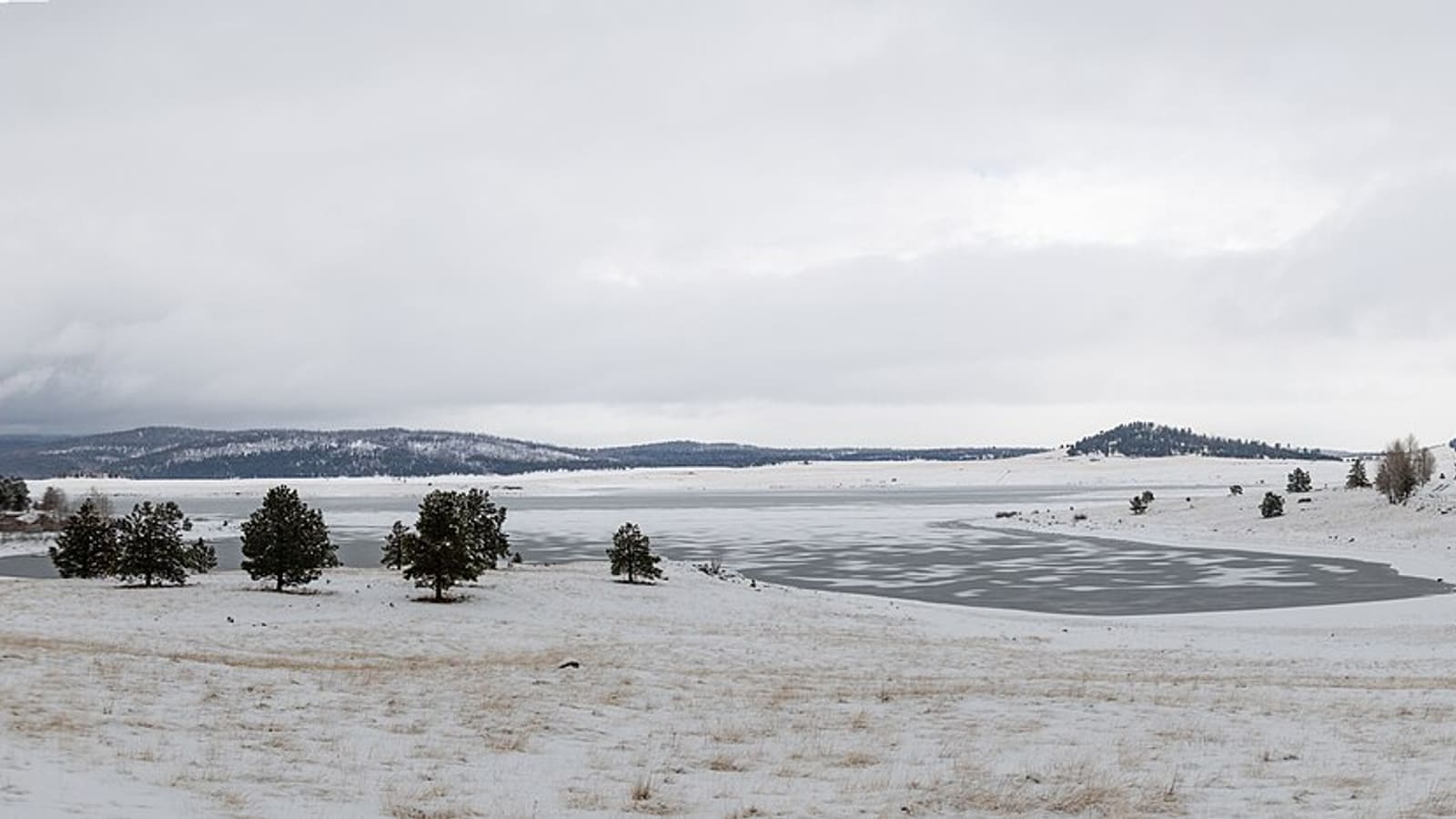
Big Lake at a Glance
Big Lake sits at roughly 9,000 feet in the Apache-Sitgreaves National Forest, covering about 575 acres with an average depth of around 16 feet. It's the largest of a cluster of high-elevation lakes in this corner of the White Mountains and functions as a convenient hub -- Crescent Lake, Lee Valley Lake, and the East and West Forks of the Black River are all within easy reach, which makes Big Lake a practical base if you want to fish more than one water in a single trip.
Access is generally via AZ-273, reached from AZ-260 near Sunrise Park or from the Springerville-Eagar side of the mountains. The lake sits inside the Apache-Sitgreaves National Forest rather than on tribal land, so the standard national forest rules and Arizona fishing regulations apply here, not the separate tribal permit system that governs reservation waters like Hawley Lake or Sunrise Lake.
Campgrounds at Big Lake
The Big Lake Recreation Area complex includes five separate campgrounds, which gives visitors a real range of options at a single destination. Apache Trout Campground is the most developed, with full hookups and the fullest set of amenities. Rainbow and Grayling campgrounds accommodate smaller RVs without hookups, while Brookchar and Cutthroat are tent-only. All of the campgrounds sit at roughly 9,000 to 9,100 feet, so pack for genuinely cold nights even during the height of summer.
Given the number of campgrounds and the lake's popularity, reservations are worth making well ahead of a summer weekend trip. Check current availability, fees, and any site-specific restrictions through the Apache-Sitgreaves National Forests' recreation listings before you go, since individual campground amenities and open dates can shift year to year.
Boating and Fishing
Three public boat ramps serve the lake -- South Cove, Railroad Cove, and a concessionaire site at the marina, where boat rentals are typically available in season. Motors are restricted to 10 horsepower or less, which rules out water-skiing and personal watercraft but keeps the lake notably quieter than power-boating reservoirs like Lyman Lake elsewhere in the region -- a real draw if you're here primarily to fish or paddle rather than to run a speedboat.
Big Lake is managed as a trout fishery. The Arizona Game and Fish Department stocks it regularly through the season with rainbow trout, along with cutthroat and brook trout, and rainbows are generally the most commonly caught species. A current Arizona fishing license is required, and specific bag limits, gear restrictions, and any special regulations should be confirmed before you fish -- they can change year to year and by water.
Hiking, Wildlife and Other Activities
Big Lake isn't only a fishing destination. The surrounding forest offers hiking and mountain biking on national forest routes, and the lake's shoreline and meadows are good territory for birding and general wildlife viewing -- elk are common in the area, particularly around dawn and dusk. A visitor center at the recreation area has historically offered naturalist programs seasonally, worth checking for current schedules if you're traveling with kids or want a guided introduction to the area.
The lake's calm, low-wake character -- a direct result of the motor horsepower limit -- also makes it a reasonable spot for canoeing, kayaking, or paddleboarding, weather permitting. As with any high-elevation water, conditions can turn quickly during monsoon season, so keep an eye on the sky and get off the water if thunderstorms build.
Seasonal Access and Planning Your Visit
Big Lake is a genuinely seasonal destination. At roughly 9,000 feet, it is typically closed from December through early April due to snow, though the exact opening and closing dates shift from year to year with the snowpack and road conditions. Confirm current status with the Apache-Sitgreaves National Forests before planning any trip outside the core summer season, and expect cold mornings and nights even in July.
Springerville, Eagar, and Greer are the nearest towns with lodging, all a manageable drive away on AZ-273 and AZ-260. If you're combining Big Lake with a broader White Mountains trip, it pairs naturally with a Greer stay or a Sunrise Park visit, given the shared access corridor.