Before You Go
The White Mountains sit at meaningfully higher elevation than most of Arizona, generally around 7,000 feet in Pinetop-Lakeside and higher still toward Greer and Sunrise, which means cooler temperatures than the desert in every season and a real possibility of snow outside summer. Pack layers no matter when you visit, and check the seasonal forecast close to your travel dates rather than relying on a general seasonal assumption.
This itinerary assumes a single home base for all three nights to minimize packing and driving time, with day trips radiating out from there. Adjust the order of the days based on weather, road conditions, and your own pace -- treat the sequence below as a sensible default rather than a fixed rule.
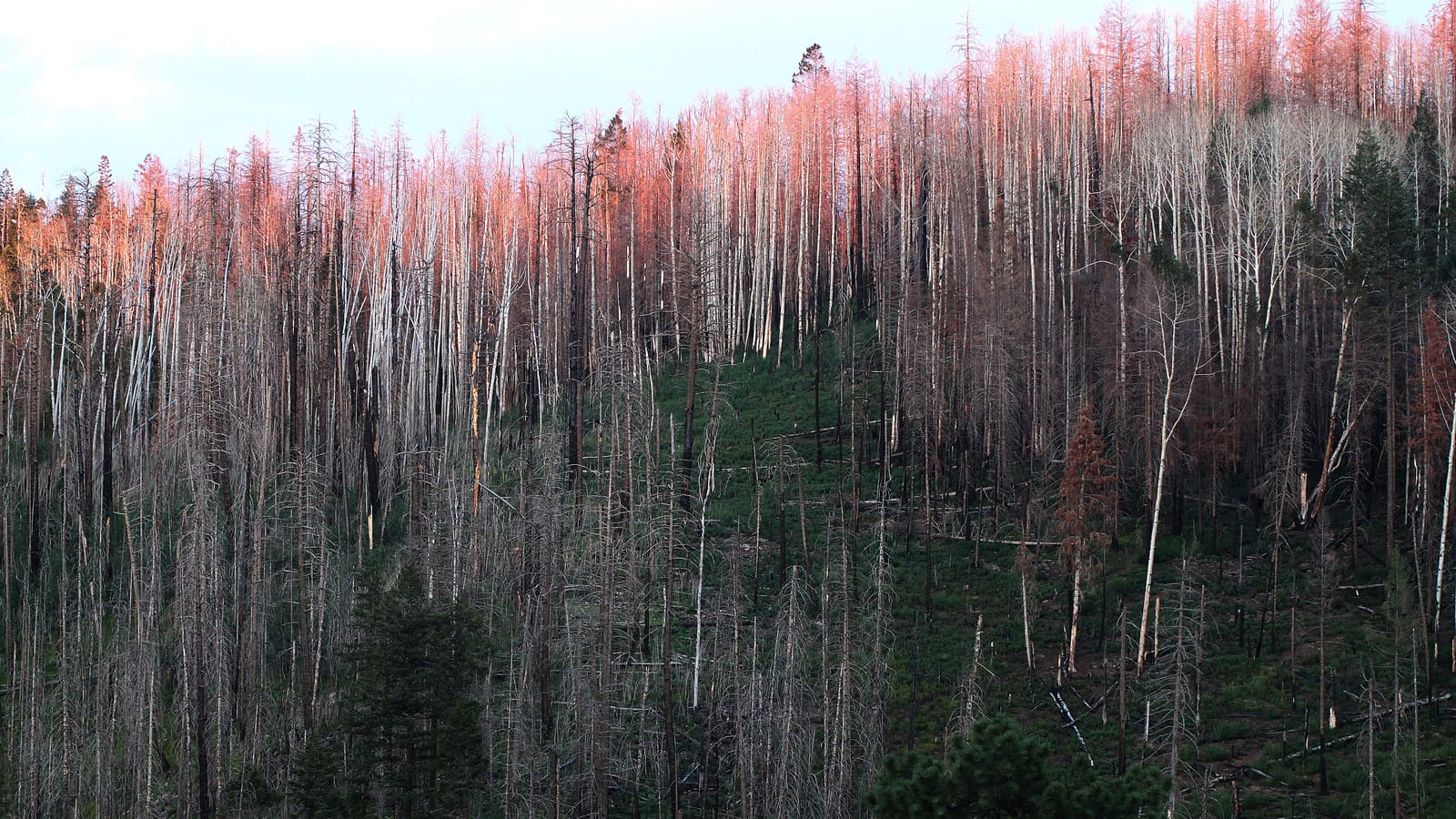
Two things to know before you plan any day of this trip. First, jurisdiction changes as you move around the region. SR-260 east of Pinetop-Lakeside runs through Hon-Dah and McNary on the Fort Apache Indian Reservation, and Sunrise Park Resort, Sunrise Lake, and Hawley Lake are all on White Mountain Apache Tribe land, where tribal permits -- not an Arizona license -- govern fishing and recreation. Big Lake, Fool Hollow Lake, and Show Low Lake are not tribal. Second, the May 2025 Greer Fire burned roughly 16,000 acres starting inside Greer itself, and the Apache-Sitgreaves National Forests still have a burned-area closure covering Benny Creek Campground and the South Fork Day Use Area (Forest Order #03-01-25-06-004). Check the forest's alerts page before you build a day around anything in the Greer drainage.
Seasonal hazards, by season. The National Weather Service defines Arizona's monsoon season as June 15 through September 30, when lightning and flash flooding are the main threats -- start high-country outings early and be off exposed ground before afternoon storms build. NWS guidance is blunt about shelter: "No outside location is safe when thunderstorms are near. Safe locations include a substantial building or inside an enclosed metal-topped automobile." Runoff over the Greer burn scar can flood fast and far from where the rain falls. In winter, ADOT gates SR-261 and the Sunrise Park-to-Big Lake stretch of SR-273 (only the 4-mile SR-260-to-Sunrise Park segment stays open for ski access), and SR-473 to Hawley Lake closes as well; check AZ511.gov for current status. Year-round, elk and deer are most active at dawn and dusk -- ADOT advises slowing down and scanning roadsides on rural highways, and SR-260 in particular runs through active elk crossings.
Day 1: Pinetop-Lakeside and the Lakes
Start close to your home base with an easy day around Pinetop-Lakeside's lakes -- Rainbow Lake and nearby Show Low Lake both offer accessible shoreline for fishing, walking, or simply sitting by the water, and neither requires a long drive from town. This is a good low-key first day to acclimate to the elevation before a more demanding day later in the trip.
If you want to add movement to the day, a shorter loop on the TRACKS trail system is an easy add-on close to the lakes. Check current lake and trail conditions before you head out, and plan dinner in Pinetop-Lakeside to close out the day without more driving.
Day 2: Greer and the High Country
Devote day two to the higher-elevation side of the region. Both destinations hang off SR-260, but on two different spur highways that are easy to mix up: Greer sits at the end of SR-373, a 4.6-mile spur running south from SR-260 to the village, while Sunrise Park Resort is reached by SR-273, a separate spur further east. They are not the same turnoff. In summer this is a strong hiking and scenery day; in winter it becomes your ski or snow-play day if conditions allow.
Greer sits on the upper Little Colorado River beside the three reservoirs the Forest Service calls the Greer Lakes, and its quiet village character makes it worth an unhurried stop even outside ski season. Note that the 2025 Greer Fire reshaped part of this landscape and some Forest Service sites in the drainage remain closed, so confirm what is open with the Apache-Sitgreaves National Forests before you go rather than assuming a prior season's access. Sunrise Park Resort is owned and operated by the White Mountain Apache Tribe and sits on the Fort Apache Indian Reservation -- check the resort's own site for current operations, and buy a tribal Recreation Fishing Permit if anyone in your group plans to fish tribal water. Permits are required for everyone 10 and older; children under 10 fish without one but must be with a permitted adult.
Day 3: Scenic Drive or Show Low
For your final day, choose between two directions depending on your interest and the weather: a scenic drive, whether a full Coronado Trail run toward Clifton/Morenci or a shorter version along the easier SR-260 corridor, or a more relaxed day exploring Show Low's shops, dining, and Fool Hollow Lake.
A full Coronado Trail run is a serious driving day and works best if you have energy left after two active days. It is a designated National Scenic Byway following US-191 between Clifton and the Springerville/Eagar area, and ADOT counts 460 curves across roughly 120 miles, calling it "a three-hour road trip" before you add a single stop. If that is more than the day has room for, the Show Low option -- shops, dining, and Fool Hollow Lake Recreation Area, an Arizona State Park open year-round at 6,300 feet -- is the lower-effort choice before heading home. Check current road conditions either way, since the Coronado Trail in particular is weather-sensitive.
Where to Stay Each Night
Pinetop-Lakeside is the recommended base for all three nights of this itinerary, since it sits close to the lakes for day one, within a manageable drive of Greer and Sunrise for day two, and near both the Show Low and scenic-drive options for day three. A cabin rental generally gives more space and a kitchen than a standard hotel room, which matters over a multi-day stay.
If you would rather split the trip between two bases, Greer works as a second-night option for travelers who want to be closer to the high country for day two, though it means more packing and unpacking. Compare current cabin and lodge availability before booking, since the right choice depends on your specific dates and budget.
Adjusting the Itinerary by Season
This itinerary flexes with the seasons more than most trip plans, since the region's activities shift so much between summer and winter. In summer, prioritize the lakes and hiking and start high-elevation activities early -- the National Weather Service monsoon window runs June 15 through September 30, and afternoon thunderstorms bring lightning and flash flooding, so plan to be down off open, high ground by early afternoon. In fall, consider shifting day two earlier in your trip if fall color is a priority, since the window can be narrow and unpredictable.
In winter, day two becomes your ski or snow-play day at Sunrise Park Resort if conditions allow, and the Coronado Trail option for day three should generally be swapped for Show Low unless road conditions are confirmed clear, since the Coronado Trail's high-elevation sections are especially vulnerable to snow and ice. Check current conditions for every leg of the trip regardless of season.