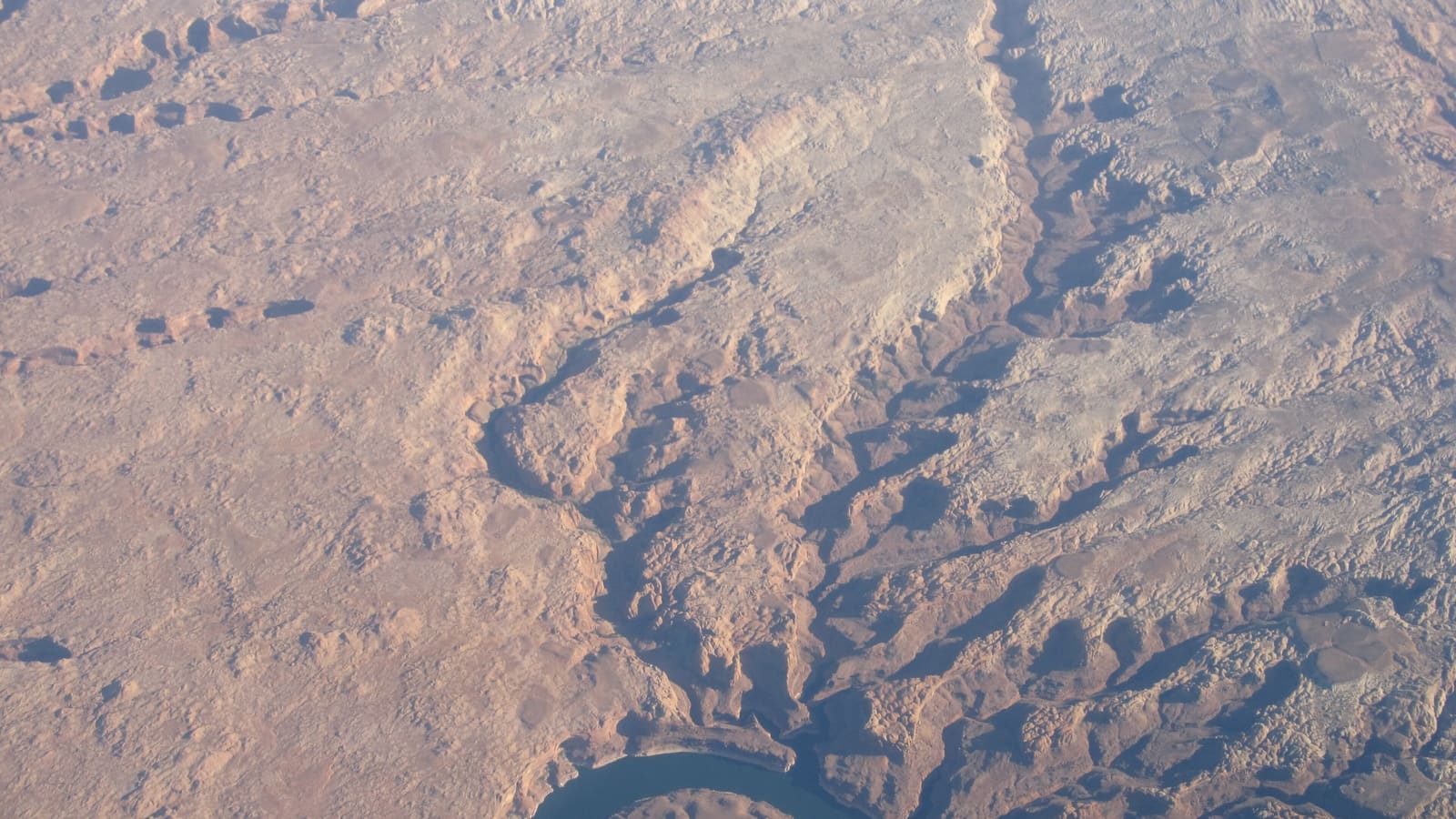
Lake Powell rewards travelers who plan ahead and understand the rules. Two of its most iconic attractions — Antelope Canyon and Rainbow Bridge — sit on or near Navajo Nation land with access rules that most travel sites get wrong. Water levels fluctuate 50 or more feet seasonally, affecting which marinas are open and how far you can navigate. The following nine activities reflect what is actually available, with honest logistics on access, timing, and cost.
Each entry includes a Lowdown Verdict — the honest assessment of effort, cost, and whether it's worth your specific trip type — plus the logistics most guides skip.
1. Antelope Canyon Tours (Upper & Lower)
Lowdown Verdict: The single most photographed slot canyon on Earth — and the one most travelers approach without understanding the access rules. Both are on Navajo Nation land. Neither allows independent entry. Book a Navajo-licensed tour well in advance.
Upper Antelope Canyon (Tse-bighanilini, "the place where water runs through rocks") is the one in every viral photo — a narrow, wave-form corridor that turns amber and magenta when sunlight shafts hit the sculpted walls at midday. It is on Navajo Nation land east of Page, AZ, and admission requires a Navajo-licensed guided tour. No self-guided access is permitted at any time, under any conditions. The two primary authorized operators are Ken's Tours and Navajo Tours AZ (Antelope Canyon X). Peak-season midday slots — the ones with the dramatic light shafts — sell out months in advance.
Lower Antelope Canyon (Hasdeztwazi, "spiral rock arches") is longer (0.7 miles), involves ladder descents into the canyon, and runs fewer tour groups simultaneously — a more physically engaging experience, slightly longer, and generally less crowded. The same guided-tour requirement applies. Ken's Tours operates the primary Lower tours. Tour fees include the Navajo Nation entry and guide fee; no separate entry payment is required at the gate.
Booking reality: peak season (March–October) tours can fill 4–8 weeks out. Book directly with a Navajo-authorized operator or via Viator's Antelope Canyon listings — both channels access real-time inventory. Off-season (November–February) is more forgiving but tour frequency drops; some operators close Tuesday or Wednesday. See the full Lake Powell tours page for operator comparison.
2. Horseshoe Bend Overlook
Lowdown Verdict: One of the most dramatic one-hour hikes in the American Southwest — accessible, paved, and absolutely worth the $10 fee. Arrive before 8 AM for usable light and open overlook space.
Horseshoe Bend is managed by the NPS as part of Glen Canyon National Recreation Area — the same federal jurisdiction as Lake Powell itself, but a different attraction from Antelope Canyon (which is Navajo Nation). The $10 per-vehicle day-use fee at the Page, AZ trailhead parking lot applies regardless of other entry fees you've paid. America the Beautiful passes are accepted and eliminate the fee. The trail from the parking lot to the overlook is 1.5 miles round trip — mostly paved or packed dirt, 200 feet of elevation gain at the overlook edge.
The overlook sits 1,000 feet above the horseshoe-shaped Colorado River bend. Crowds are intense from 9 AM to 4 PM peak season (April–October) — the overlook rim fills to the point where getting a clean shot requires patience or very early arrival. Before 8 AM the light is soft, the crowd is thin, and the parking lot has space. After 5 PM the light turns golden but the crowd has usually cleared only partially. Budget heat: summer midday temperatures at the rim regularly exceed 105°F — carry more water than you think you need for a 1.5-mile hike. See also: Lake Powell hiking guide for longer route options from Page.
3. Houseboat Rental
Lowdown Verdict: The defining Lake Powell experience — no other reservoir in the country delivers this combination of navigable canyons, private coves, and on-water living. Priced from $1,500 to $6,000+ per week. Book months in advance for summer.
A Lake Powell houseboat charter is a multi-day floating-home experience — anchor in a private sandstone cove at dusk, wake up on the water at dawn, and navigate 186 miles of reservoir with no reservation required for where you stop. Houseboats sleep 6 to 22 people and rent from Wahweap, Bullfrog, or Halls Crossing marinas. No prior boating experience is required — all marinas provide a checkout orientation. Most charters run 3 to 7 days.
Critical planning note: Lake Powell's water elevation fluctuates 50 or more feet seasonally. Check the Bureau of Reclamation's current Lake Powell gauge before booking. Launch ramps at Bullfrog and Halls Crossing may close at lower elevations (roughly below 3,550–3,575 ft). Wahweap Marina at Page is the most reliably open across all recorded water levels — if unsure, book from Wahweap. See the full houseboat rentals guide for fleet size, pricing tiers, and marina comparison.
4. Slot-Canyon Hiking
Lowdown Verdict: The land-access slot canyons near Lake Powell reward hikers who want the experience without a guided tour and a fee-per-photo. Wire Pass to Buckskin Gulch is the longest accessible slot canyon in the world and requires only a $6/person day-use permit.
The Paria Canyon–Vermilion Cliffs Wilderness southwest of Page contains some of the most accessible slot canyon hiking in North America, on BLM land with no mandatory guides. Wire Pass to Buckskin Gulch (2 miles one way) enters the narrowest section of a 21-mile slot canyon system — walls up to 500 feet high and sometimes only shoulder-width apart. A $6/person permit is required and available at recreation.gov. Flash flood risk is real: check weather 50+ miles upstream before entering any slot canyon on the Colorado Plateau.
Coyote Gulch (Grand Staircase–Escalante NM, BLM) is a moderate 2–4 day backpacking route with arches, natural bridges, and smaller-scale slot sections. The trailhead is about 90 minutes from Page. Best seasons are April–May and September–October — summer heat in unshaded canyons makes midday movement dangerous, and monsoon season (July–September) brings lightning and flash flood risk. See the Lake Powell hiking guide for full trailhead logistics and permit details.
5. Rainbow Bridge National Monument
Lowdown Verdict: The world's largest natural bridge — 290 feet tall, 275 feet wide — tucked at the end of a side canyon reachable only by boat or a 14-mile hike. The boat trip from Wahweap is the accessible option. Dock access varies with water elevation.
Rainbow Bridge National Monument is a federally protected unit separate from Glen Canyon NRA, managed by the NPS but sitting adjacent to Navajo Nation land — the bridge itself is a sacred Navajo site and visitors are asked to remain on the viewing platforms and not walk under the arch. The monument is only accessible by boat from Wahweap, Bullfrog, or Dangling Rope marinas (50+ miles round trip from Wahweap) or via a permit-required 14-mile round-trip overland hike across Navajo Nation land.
Water-level warning: when Lake Powell elevation drops below approximately 3,570 feet, boats cannot reach the dock at Rainbow Bridge — the final stretch of Bridge Canyon is too shallow. Visitors must wade or transfer to a small skiff. At lower elevations (below ~3,520 ft), boat tours are not possible at all. Always check current conditions with your marina or tour operator before booking a Rainbow Bridge trip. Guided boat tours from Wahweap are the most reliable way to confirm dock conditions in real time. Browse Lake Powell boat tours for current operators.
6. Wahweap Marina
Lowdown Verdict: The hub of Lake Powell activity — the most reliably open marina at any water elevation, with boat rentals, guided tours, houseboat launch, and direct access to the main reservoir. Start here if you're new to the lake.
Wahweap Marina sits 5 miles north of Page on Highway 89 and is the primary entry point for most Lake Powell visitors. It is the largest and best-resourced marina on the lake, with launch ramps that remain open at lower water elevations than Bullfrog or Halls Crossing. Services include powerboat, kayak, paddleboard, and jet ski rentals; guided boat tours to Rainbow Bridge and slot-canyon coves; houseboat launch and checkout; a full-service marina store; and Lake Powell Resort directly adjacent. Even during periods of significant drought, Wahweap's launch infrastructure remains viable when other marinas have closed ramps. See travel planning for a full marina comparison by water elevation.
7. Wahweap Bay Beach
Lowdown Verdict: The easiest swim-and-sand experience at Lake Powell — calm water, sandstone surroundings, and no boat required. Best in May–September when water temperatures reach 70–78°F.
Wahweap Bay offers a sandy shoreline and calm, protected water for swimming adjacent to Wahweap Marina and Lake Powell Resort. The beach is the most accessible by car of any swimming area on the lake — drive to the resort, walk to the shore. Sandstone walls frame the bay on multiple sides with views toward the Vermilion Cliffs. The water warms to swimable temperatures by mid-May and holds warmth through September. Note that water elevation fluctuations mean the beach profile changes seasonally — at higher water levels the sand is more submerged; at lower levels the sand expands but the water's edge moves further from marina facilities. Connect to the seasonal guide for month-by-month water temperature and beach conditions.
8. Kayak & Paddleboard
Lowdown Verdict: The best way to reach water-level slot-canyon coves inaccessible to powerboats — a calm, quiet alternative that rewards early-morning departures before afternoon winds develop on the open lake.
Kayaks and paddleboards can access narrow slot-canyon arms — Cathedral Wash, Antelope Canyon's water entrance (at higher water levels), and numerous unnamed coves near Wahweap — that are too narrow for powerboats. Rentals are available from Wahweap Marina by the hour or day. Self-guided paddlers should plan morning departures: Lake Powell is generally calm at dawn, but thermal winds develop by midafternoon on warm days and can make open-water paddling significantly harder returning to the marina. Guided kayak tours through Viator operators include a slot-canyon cove destination, navigation guidance, and equipment — a good choice for first-time lake paddlers. Browse Lake Powell kayak tours for current guided options.
9. Stargazing (Dark-Sky Adjacent)
Lowdown Verdict: One of the most underrated reasons to stay overnight at Lake Powell. The reservoir sits in a Bortle Class 2–3 dark-sky corridor — Milky Way is visible to the naked eye from the lake surface on moonless nights. Houseboaters get this for free.
Glen Canyon NRA and the Lake Powell area are not a formally designated International Dark Sky Park (unlike the Grand Canyon, which received IDA designation in 2019), but the darkness quality rivals it in most areas of the reservoir. The nearest significant light dome is from Page, AZ — small. Flagstaff is 90+ miles south. The Colorado Plateau's elevation and low humidity make transparency excellent on clear nights. The best viewing is from the lake surface itself or from canyon rim camping areas away from marina lights.
Houseboat overnights automatically deliver premium dark-sky access — anchor in a remote cove, kill all boat lights, and lie on the upper deck. The reflection of the Milky Way off flat reservoir water is one of the signature Lake Powell experiences that no day trip can replicate. For land-based visitors in Page, the city's light dome limits viewing; drive 10+ minutes north or west toward the reservoir for darker conditions. Spring (April–May) is optimal: no monsoon humidity, moderate temperatures, and Milky Way core rising before midnight. See the seasonal guide for moon-phase and galactic core timing by month.
Lake Powell Tours on Viator
Navajo-licensed Antelope Canyon tours, Rainbow Bridge boat trips, kayak slot-canyon day tours, and Horseshoe Bend guided excursions. Compare operators and read real reviews before booking.
Affiliate link — we earn a small commission at no cost to you.
Common Lake Powell Activity Questions
Continue Planning Your Lake Powell Trip
Antelope Canyon Tours →
Upper vs Lower Antelope Canyon comparison, Navajo-authorized operators, and Viator booking.
Where to Stay →
Lake Powell Resort, Wahweap Lodge, Page hotels, and Antelope Point cabins.
Grand Canyon Guide →
2.5 hours southwest — South Rim viewpoints, Bright Angel Trail, and mule rides.