What the Desert Museum Actually Is
The Arizona-Sonora Desert Museum opened in 1952 with a founding idea that has held up well over time: instead of displaying animals from anywhere in the world, focus entirely on the plants, animals, and geology of one region -- the Sonoran Desert -- and let visitors walk through re-created habitat rather than standard enclosures. The result is a site that functions as zoo, botanical garden, natural history museum, aquarium and art gallery simultaneously, spread across 21 acres of walking paths -- almost 2 miles of them -- shaded ramadas, and habitat exhibits built into the natural desert terrain at the base of the Tucson Mountains. It is accredited by the Association of Zoos & Aquariums, currently through March 2031, and its living animal collection runs to 4,892 specimens of 242 species, with more than 300 animal species and 1,200 kinds of plants represented across the grounds.
Because it's organized around a single ecosystem, the Desert Museum gives a more coherent picture of how Sonoran Desert species actually interact than a typical zoo does. You'll see the plants a javelina forages among, the terrain a mountain lion hunts across, and the cactus a Gila woodpecker nests in, all within the same short walk. The organization has long positioned itself as a conservation and education institution first, with the animal and plant exhibits serving that mission rather than existing purely for entertainment.
The museum is almost entirely outdoors, with a smaller underground Earth Sciences exhibit covering regional geology and a limestone cave walkthrough -- the cave exhibit has stalagmites, stalactites, pools and crayfish, and explains how caves form. There is also an optional loop off the main cave route that the museum describes as a true caving experience: about 75 feet of low ceilings, rough footing and tight passages, which is worth knowing before you send a child or anyone with mobility or claustrophobia concerns into it. Because the site is outdoor and spread across a fair amount of ground, plan your visit around the weather rather than around the museum's indoor capacity -- there is comparatively little indoor space to retreat to on a hot afternoon.
Wildlife You'll See
The mammal exhibits include species that most visitors will never encounter in the wild even after years of desert hiking. The Mountain Woodland exhibit holds mountain lion, black bear and Mexican gray wolf -- the museum was the site of the first litter of Mexican gray wolf pups born in human care, and it remains involved in conservation work for that subspecies. The Riparian Corridor has bighorn sheep, beaver and otter, and the Desert Grasslands section includes prairie dogs, a reliable favorite with families. Reptile exhibits, largely indoors or in shaded enclosures, include rattlesnake species native to the region and Gila monsters behind glass. The Gila monster is the venomous lizard most visitors come to see; its close relative the Mexican beaded lizard belongs to the same family but lives farther south, in the thornscrub and tropical deciduous forest of southern Sonora, so do not count on seeing one here -- check the museum's current exhibit list if a specific animal is the reason for your visit.
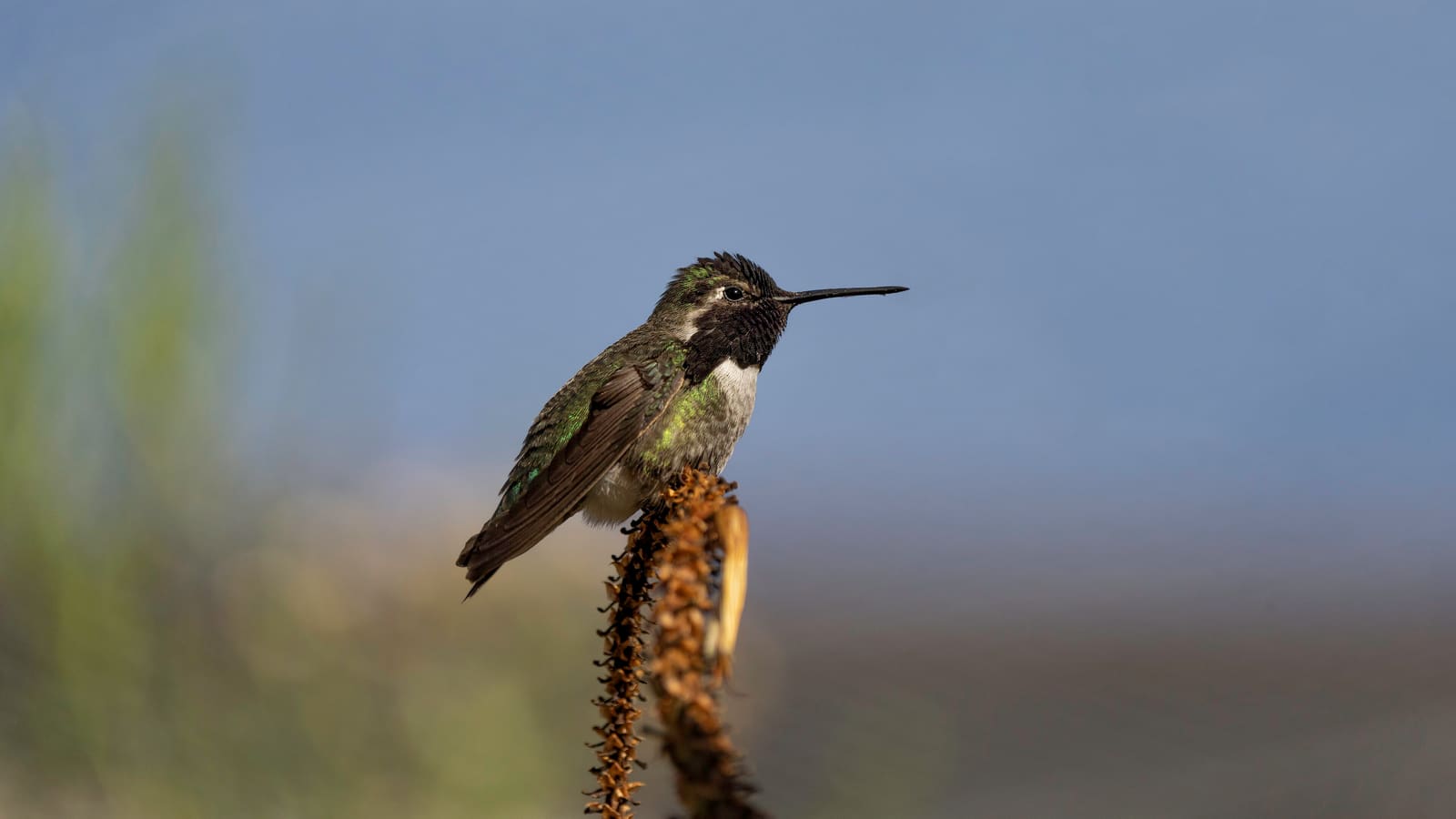
The walk-through hummingbird aviary is one of the museum's most popular features -- a netted enclosure where several hummingbird species native to the region fly freely around visitors at close range. It rewards a slower pace: find a bench, stay still for a few minutes, and the birds tend to come closer than they would in the open desert. A separate walk-in aviary houses other native desert bird species in a similarly immersive setting.
Raptor free-flight programs, when scheduled, are among the most memorable parts of a visit -- trained hawks and owls flying at close range over an open area as museum staff explain their role in the desert ecosystem. These programs run on a schedule that changes seasonally and is sometimes suspended in extreme heat, so check the current show times posted at the entrance or the museum's own schedule when you arrive rather than assuming a specific show time in advance.
The Cactus Garden and Botanical Exhibits
The botanical side of the museum is easy to underrate if you come primarily for the animals, but the cactus garden and desert plant collections are extensive and well labeled -- a useful complement to a Saguaro National Park visit if you want to actually identify what you're looking at on the trail afterward. Labeled specimens cover the range of Sonoran Desert cactus species beyond the saguaro: barrel cactus, cholla varieties, prickly pear, and organ pipe cactus among them, along with agave, ocotillo, and other desert-adapted plants.
The walking paths wind through naturalistic plantings rather than a formal garden layout, which keeps the botanical sections feeling like an extension of the desert rather than a separate attraction. Docent-led walks, when available, add context on plant identification, traditional uses, and the desert's seasonal bloom cycle. Spring, particularly if winter rainfall has been favorable, is when the cactus garden is at its most colorful, with wildflowers filling in around the larger specimens.
Best Time of Day and Year to Visit
Morning is generally the best time to visit, and this matters more here than at most attractions because the wildlife itself is more active earlier in the day. Many desert animals are naturally more visible and alert in cooler morning hours and retreat to shade or become less active as temperatures climb. Arriving at or near opening gives you the best chance of seeing active wildlife rather than animals resting in shaded corners of their enclosures.
Seasonally, October through April is the most comfortable window for a full, unhurried visit, consistent with the broader Tucson outdoor calendar. Summer visits are entirely workable if you go early and pace yourself, but the exposed walking paths and limited indoor space make a midday summer visit uncomfortable. The museum's own hours sometimes shift to an earlier opening in peak summer heat -- verify current seasonal hours before planning your trip, especially if a specific program or raptor show is central to your visit.
The museum's main evening program runs in summer, not the cooler months. Cool Summer Nights keeps the museum open late on Saturday evenings through the summer, with themed programming -- astronomy, monsoons, reptiles, bat nights and more -- and it is built precisely around the fact that nocturnal desert species are more active after dark and the grounds are far more comfortable once the sun is down. Closing time on those Saturdays has been as late as 10 pm. Because the dates, themes and closing time are set each year, check the museum's current events calendar rather than assuming a specific Saturday.
Heat is the real hazard here, not the wildlife. This is almost 2 miles of mostly exposed paved path in a city that runs long stretches of triple-digit afternoons, with little indoor space to retreat into. Carry and drink water rather than planning to find a fountain, wear a hat and sun protection, and treat a summer visit as a morning activity that ends before midday rather than something to push through. In monsoon season -- June 15 through September 30, per the National Weather Service in Tucson -- afternoon thunderstorms build quickly; if you can hear thunder you are close enough to be struck, so head for a substantial building or your vehicle rather than sheltering under a ramada or a tree, and wait 30 minutes after the last thunder before going back out.
Getting There and Combining With Other Stops
The museum is at 2021 N. Kinney Road on the west side of Tucson -- about 14 miles west of the city, adjacent to Saguaro National Park West and in the same corridor as the Gates Pass overlook. It's roughly a 25 to 35 minute drive from downtown Tucson, with travel time depending on traffic and your starting point. Because these three attractions sit within minutes of each other on the same road, many visitors build a single day around them: Desert Museum in the morning while wildlife is most active, Saguaro West's Bajada Loop Drive in the early afternoon, and Gates Pass for sunset on the way back into town.
Parking is on-site and free, and the museum has EV charging stations in its lots; accessible parking is in Lot 1, Rows 1A and 1B, with a valid disability-parking permit. The grounds involve a meaningful amount of walking on paved paths with some grade changes, so comfortable footwear is worth having even though the terrain is far gentler than a backcountry trail. Water fountains and shaded rest areas are distributed through the grounds, but bringing your own water is still a good idea, particularly in warmer months.
Admission pricing, membership options, and current operating hours are all best verified directly through the museum's own website before your visit, since these details are adjusted periodically and vary by season and visitor category (adult, child, senior). The museum is a private nonprofit institution, distinct from the National Park Service-managed Saguaro National Park next door, so passes like the America the Beautiful annual pass do not apply here.