Winter in the High Country: What Changes
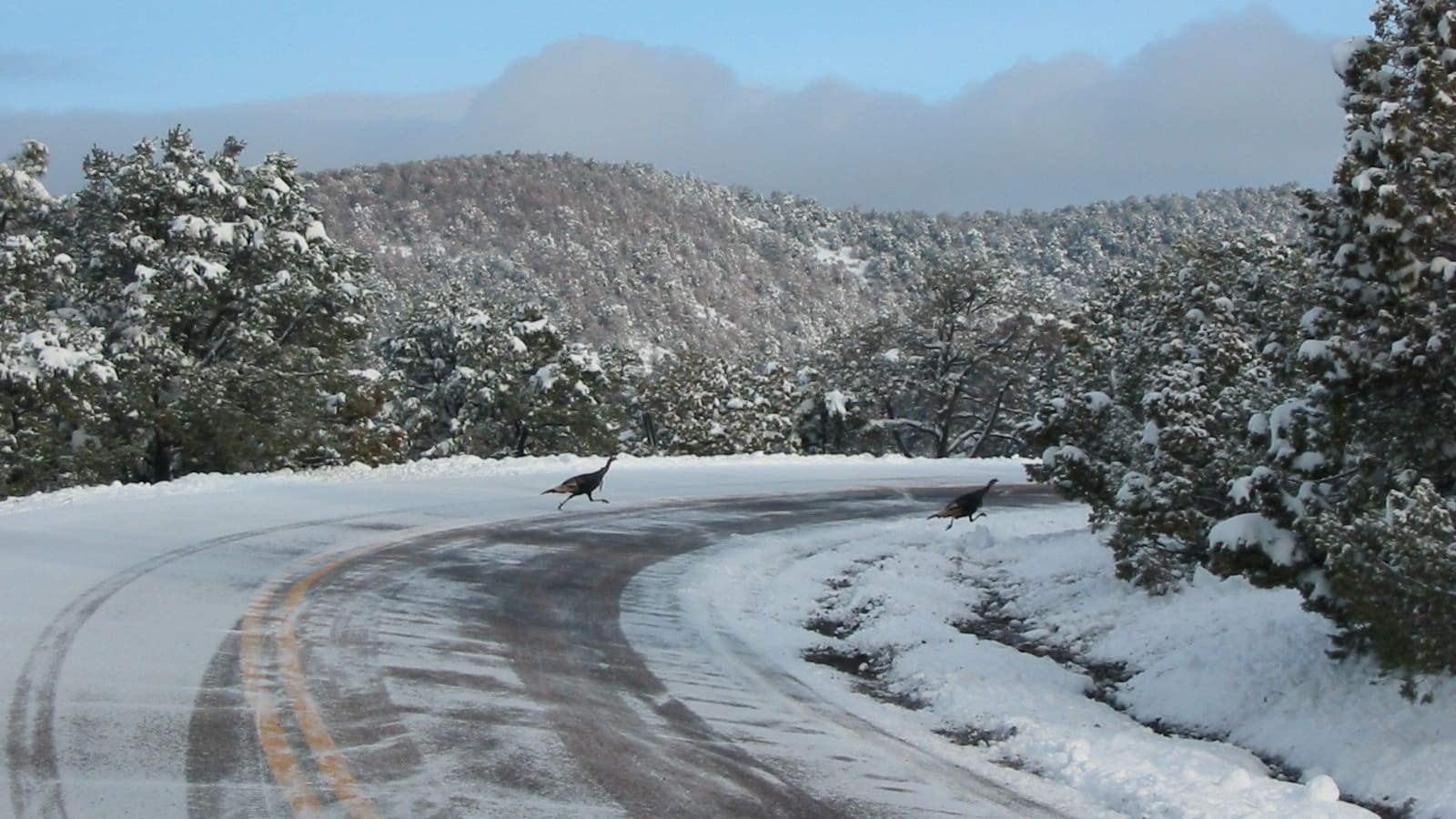
The same elevation that keeps the White Mountains cool in summer turns the towns into genuine snow country in winter. The towns climb from about 6,400 feet at Show Low through roughly 7,000 at Pinetop-Lakeside to about 8,400 at Greer, with the surrounding peaks higher still, and all three regularly see real snowfall -- the pine forest that shades a summer hike becomes a snow-dusted backdrop instead. It is a different Arizona entirely from the desert imagery most visitors expect from the state.
Winter also flips the seasonal traffic pattern -- the same summer weekend crowd that flees Phoenix heat gives way to a smaller but dedicated group chasing snow, skiing, and cabin fireplaces. Snow years vary meaningfully in a high-desert mountain range, so treat any specific snowfall description as a general pattern rather than a guarantee for your particular trip.
Sunrise Park Resort: Skiing and Snowboarding
Sunrise Park Resort, owned and operated by the White Mountain Apache Tribe on the Fort Apache Indian Reservation with a Greer address, offers what the resort itself calls the most skiing acreage in the state -- 67 trails on eight lifts spread across three mountains, with downhill terrain for a range of ability levels. It is a genuinely different Arizona ski experience than a mega-resort out of state -- smaller, regional, and uncrowded by national standards, with the same Ponderosa forest setting that defines the rest of the White Mountains.
Season dates, lift operations, and daily snow totals change year to year and are set by the resort, so see our Sunrise Park and skiing guide and check the resort's own current status directly before planning a ski trip rather than relying on a past season's dates.
Snow Play and Snowmobiling
Not every winter visitor is there to ski. Sunrise Park runs a snow tubing hill at the base alongside its downhill terrain, plus the Apache Alpine Coaster, which makes it a family-friendly stop even for visitors who have no interest in strapping on skis or a board. The resort does not currently advertise groomed Nordic or snowshoe trails, so if cross-country skiing is the point of your trip, confirm what is available with the resort and with the Apache-Sitgreaves National Forests rather than assuming a track is set.
Away from the resort, snowmobiling is a popular activity across parts of the Apache-Sitgreaves National Forests and Tribal land in good-snow years. Designated trails, access points, and permit requirements are set by the Forest Service and the White Mountain Apache Tribe and can change, so confirm current rules directly rather than assuming last winter's routes are still open.
Winter Cabin Stays
The Pinetop-Lakeside cabin-rental market that fills every summer runs a second season around winter and the ski calendar, and a fireplace cabin with snow outside is one of the more distinctive lodging experiences in the state for an Arizona-based traveler. Ski-season weekends, especially around holidays, can book up just as fast as the busiest summer dates, so reserve ahead rather than counting on a walk-up option.
See our Pinetop-Lakeside basecamp guide for more on lodging areas that work well for a winter stay, and confirm that any specific cabin has winter-ready access -- some remote or unpaved driveways can be difficult to reach after a heavy snowfall.
Road and Snow Condition Caveats
Winter driving in the White Mountains deserves real respect. The Salt River Canyon approach on US-60 already demands attention in good weather, and winter snow or ice on the canyon's switchbacks raises the stakes considerably. The higher roads around Sunrise Park and Greer see snow and ice more often and for longer stretches than Show Low or the lower parts of Pinetop-Lakeside.
Check current conditions at az511.gov or by calling 511 before you travel, and read ADOT's winter-driving guidance at azdot.gov/KnowSnow. ADOT's core advice: slow down on potentially slippery highways, leave extra room behind the vehicle ahead, never pass a snowplow that is clearing the road until its driver pulls over to let traffic by, and pack a fully charged phone plus extra warm clothing, blankets, food and water, and a first-aid kit. Depending on storm severity, chains or four-wheel drive are likely to be recommended on affected high-country highways. Conditions can change within a single day in a mountain winter, so a forecast checked the morning of your drive is worth more than one checked the night before.
Some of these roads simply close for the season. ADOT shuts several high-country highways every winter: SR-473 between SR-260 and Hawley Lake typically in November, and SR-261 between Eagar and Big Lake plus SR-273 between Sunrise Park and Big Lake around the turn of the year. Exact dates move with the weather and the routes normally reopen in spring. The segment of SR-273 between SR-260 and Sunrise Park is the piece that stays open for ski access -- so plan your winter approach on SR-260, not through Big Lake.
Two more hazards worth naming. Elk are common along the SR-260 corridor and are most active around dawn and dusk; ADOT advises obeying the speed limit, watching the shoulders, and slowing down to buy reaction time, since a collision at highway speed with an animal that size is a serious crash. And altitude is a real factor if you are coming up from the Valley: Sunrise Park's base sits near 9,300 feet with lifts above 10,700, so take the first day easy, hydrate, go light on alcohol, and treat persistent headache, nausea, or unusual breathlessness as a reason to head downhill rather than push through. On frozen lakes, stay off the ice unless a local authority has said it is safe -- ice thickness in this range varies wildly with sun exposure and inflow.
Planning a Winter Trip
A winter trip to the White Mountains works best when it is built around a clear primary goal -- skiing at Sunrise Park, a snow-play family day, or simply a cabin weekend with snow on the ground -- rather than an open-ended visit. Confirm resort season status, book lodging ahead of holiday weekends, and check road conditions on the morning you plan to drive.
If you are weighing which season suits your trip best, our summer escape guide and fall colors guide cover the other two seasons this same cluster of towns is built around.