Why the White Mountains Turn Gold Every Autumn
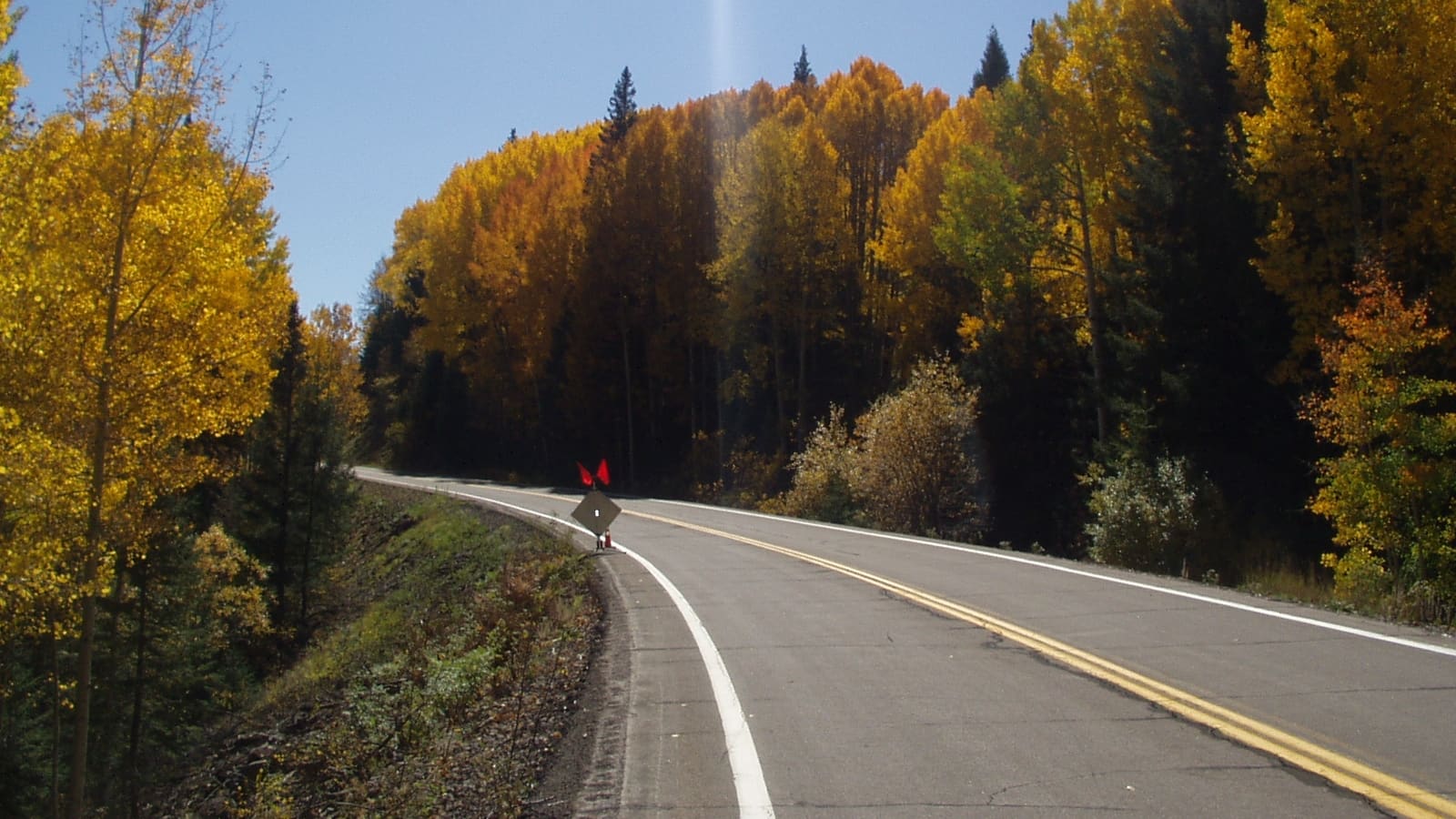
The White Mountains carry one of Arizona's most reliable fall color displays, and the aspen is the reason why. Aspen groves are widespread through the higher elevations of the Apache-Sitgreaves National Forests, and their leaves turn a genuine gold rather than the muted browns most desert-adjacent visitors expect from an Arizona autumn. Lower down, oak and maple pockets add rust and red tones on a slightly later schedule, which stretches the overall color season if you know where to look at each elevation.
This is not a subtle, hunt-for-it display -- entire hillsides around Greer and the upper Sunrise access roads shift color together, visible from a car window without a trailhead in sight. That visibility from the road is part of what makes the White Mountains one of the more accessible fall-color trips in the state, alongside the higher-profile aspen country up around Flagstaff.
Where the Color Concentrates: Greer and the Sunrise Area
Greer, the smallest and highest of the three cluster towns at around 8,300 feet, sits at the elevation where aspen groves are thickest, and the meadow-and-forest setting around the village turns into one of the most concentrated color pockets in the range. The country around Sunrise Park, roughly seven miles west of Greer and reached by a separate turnoff from SR-260, holds similarly dense stands along its access roads, which makes the corridor between Pinetop-Lakeside, Greer, and Sunrise the practical spine of a color-focused trip.
One boundary to know if the Mount Baldy country is on your list: the Forest Service is explicit that the summit of Mount Baldy sits on the White Mountain Apache Reservation and is closed to all non-tribal members. The Mount Baldy Wilderness trails on the national forest side reach the color and the high meadows without crossing that line, and the mountain is a holy site to the White Mountain Apache -- so plan to turn around at the boundary rather than push for the top.
Our Greer village guide covers the town itself in more depth for anyone planning a fall stay there, and our Sunrise Park guide has more on the resort and its surrounding roads outside of ski season.
Timing the Color: Late September Into October
The Forest Service's account of northern Arizona aspen color is the most useful frame here: the highest elevations begin changing in mid-September, color appears broadly in late September, it peaks throughout much of October, and the show usually ends in late October, descending like a slow-moving wave from the peaks down toward town. In the White Mountains that means the higher country around Greer and Sunrise generally turns ahead of the lower parts of Show Low and Pinetop-Lakeside. That said, this is a pattern and not a promise -- summer rainfall totals, an early cold snap, or a warm stretch can each shift the peak week earlier or later than the calendar suggests.
Because the color window typically lasts only a week or two at any single elevation before leaves drop, treat a specific date on a calendar as a starting guess rather than a locked plan. Check current fall-color reports from the national forest or local sources close to your travel date rather than booking around last year's exact peak.
The Scenic Drives for Leaf-Peeping
The short drive from Pinetop-Lakeside out to Greer is the single most reliable color route in the cluster, climbing steadily into denser aspen stands as the road gains elevation. From there, the roads leading toward Sunrise Park extend the same corridor further. For a longer day, routes through the Mogollon Rim country and toward the northern end of the Coronado Trail pass through additional high-elevation forest, though those are longer commitments better suited to travelers who already know the roads.
See our White Mountains scenic drives guide for the fuller rundown of routes. The color corridor here runs mostly on paved state highways rather than rough forest roads -- SR-260 is the spine, with SR-273 dropping south toward Sunrise Park -- but none of them is signed as a fall-color route, so conditions, pullouts, and closures still change from year to year.
Late-season leaf trips can run into seasonal closures. ADOT shuts several of these high-country highways every winter, and the first ones go before autumn is fully over: SR-473 to Hawley Lake typically closes in November, and SR-261 between Eagar and Big Lake and SR-273 between Sunrise Park and Big Lake usually close around the turn of the year. Dates move with the weather. Check az511.gov or call 511 the morning you drive, and check the Apache-Sitgreaves National Forests' current alerts and closures page as well, since forest orders can close specific campgrounds, trails, or burned areas on short notice.
Two hazards worth planning around on an autumn drive. Elk are active and moving through the fall, and they are most dangerous on the highway around dawn and dusk -- exactly the golden-hour windows a photographer is out chasing. ADOT advises obeying the speed limit, watching the shoulders, and slowing down to buy reaction time. And an early cold snap can put snow or ice on these roads well before the calendar says winter, so treat a fall drive above 8,000 feet as a potential winter drive and check the forecast the morning of.
Crowds, Weekends, and Weekday Strategy
Peak-color weekends bring a real but manageable increase in traffic to the Greer road and the Sunrise access routes -- noticeably busier than an off-season weekday, though nothing close to the crush of a summer holiday weekend in the same towns. Pullouts and viewpoints along the color corridor can fill on the best Saturdays of the season.
If your schedule allows it, a weekday trip during the color window gives noticeably more room at the same viewpoints and an easier time finding a table in Greer or Pinetop-Lakeside. Either way, if a specific fall weekend matters to your plans, book lodging ahead rather than assuming rooms will be available in a town as small as Greer.
What to Bring and How to Plan the Day
Fall mornings in the high country can run close to freezing even when the afternoon warms up comfortably, so layers matter as much on a color trip as they do in summer. An early cold snap can also bring a dusting of snow with little warning at the higher elevations, which is worth checking for before you drive out toward Greer or Sunrise on a given day.
Fuel up before heading into the Greer or Sunrise corridor, since services thin out quickly past the main towns, and download an offline map in case of weak cell coverage along the drive. For a place to base the trip, see our Pinetop-Lakeside basecamp guide -- a central base lets you chase the color corridor by day and come back to full services at night.