What Bearizona Is
Bearizona is a wildlife park located just east of Williams, easily reached off Interstate 40, built around a drive-through section where North American animals live in large, naturalistic enclosures that visitors pass through in their own vehicle. It is not a traditional zoo where you walk between exhibits; for the drive-through portion, you stay in your car and the animals have the run of the enclosure around you, which is a meaningfully different experience from watching an animal behind a fence from a fixed viewing area.
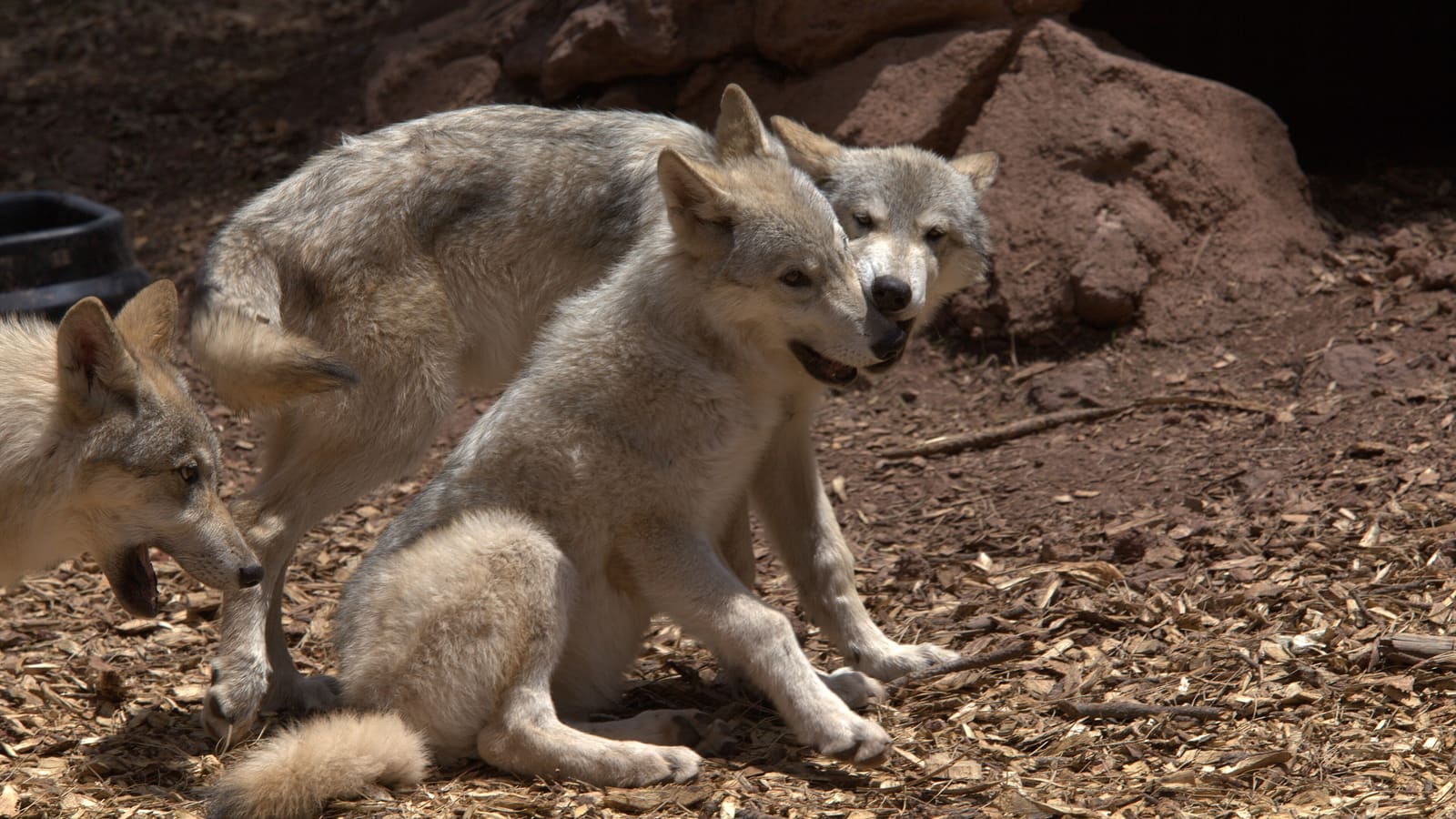
The park's animal roster is built around species native to North America, and it typically includes black bears, wolves, bison, bighorn sheep, and other regional wildlife, with the specific mix and number of animals visible varying by day and season since these are living animals in large spaces, not a fixed display. Beyond the drive-through loop, Bearizona also has a walk-through area, often referred to as Fort Bearizona, with smaller animals, exhibits you view on foot, and additional attractions.
The Drive-Through Experience
The drive-through section is the park's signature feature and the reason most people visit. You enter in your own car, follow a set route through a series of large enclosures, and move at your own pace, stopping to watch animals as long as you like within the flow of traffic. Bearizona's official park rules require windows up, doors closed, and everyone to stay in the vehicle for the entire drive-through loop, not just around predator enclosures, so do not plan on rolling windows down anywhere on the route; confirm current rules on the official Bearizona site before you go.
Because you are in your own vehicle, this works well for visitors who are not comfortable getting out around large animals, and it also means the experience is largely accessible regardless of mobility, since you never have to leave your seat to see the drive-through animals. If you do not have your own car, or would rather not put your rental through it, check whether the park offers an alternative way through the loop, since options can vary by season; the official Bearizona site is the place to confirm current policy before you arrive.
Fort Bearizona and the Walk-Through Area
After or before the drive-through loop, most visits continue into the walk-through portion of the park, sometimes called Fort Bearizona, which is set up more like a conventional walkable wildlife exhibit area with smaller animals, closer viewing, and additional attractions built around a rustic frontier theme. This part of the visit lets you get out, stretch, and see animals that would not be practical to view safely from a moving car.
The walk-through area is also typically where you will find a bird-of-prey show or similar live animal presentation, run on a set schedule during the day. These shows are a good way to see raptors and other birds up close with some educational narration, and timing your visit around the show schedule is worth doing if that is a priority, since show times are set and do not run continuously throughout the day. Check the schedule posted at the park or on the official Bearizona site when you arrive so you can plan the rest of your visit around it.
How Long to Budget
A reasonably thorough visit, covering the drive-through loop and a meaningful amount of time in the walk-through area including a bird show, generally takes somewhere in the range of two to three hours. You can move faster if you are short on time, but rushing defeats a lot of the appeal, since a big part of the drive-through experience is simply slowing down and watching the animals rather than passing through quickly.
If Bearizona is one stop among several on a busy Williams day, it pairs naturally with a morning or afternoon slot rather than trying to squeeze it in around other major activities like the Grand Canyon Railway or a full day trip to the canyon itself. Trying to do Bearizona and a full Grand Canyon visit in the same day is possible but makes for a long day, especially once you factor in the drive time involved in a Williams to Grand Canyon day trip.
Family Suitability and Practical Tips
Bearizona works well for families with kids of a wide range of ages, in large part because the drive-through format removes a lot of the usual zoo logistics, no long walking, no worrying about a toddler wandering off near an enclosure edge. Kids who are excited about seeing animals up close from the car tend to enjoy it a lot, and the walk-through area gives everyone a chance to get out and move around after the driving portion.
A few practical notes make the visit smoother. Go with a full tank of gas or enough charge if driving an EV, since idling through the loop uses some fuel and you do not want to be running low afterward. Keep car windows up when posted signage says to, keep food inside the vehicle rather than offering it to animals, and expect the loop to move at the pace of the traffic ahead of you, so patience helps on a busy day. Because it is an outdoor park at elevation, weather matters: Williams sits at 6,770 feet, so mornings can be cool even in warmer months, and winter visits mean genuine cold and possible snow, which changes both what you should wear and which animals are most active.
Fitting Bearizona Into a Williams Trip
Because Bearizona sits just outside Williams rather than requiring a long detour, it slots naturally into most itineraries built around the town. Visitors staying in Williams to use it as a base for the Grand Canyon Railway or a self-driven day trip to the canyon often use Bearizona as the activity for the half-day that is not spent at the canyon itself. It also works as a family-friendly counterpart to the more walking-heavy activities in downtown Williams, since the drive-through format is easier on younger kids and anyone who would rather not walk long distances.
For travelers approaching from Flagstaff, Bearizona is an easy add-on given how close Williams sits along the same stretch of I-40, and it is a reasonable stop even for those who are not otherwise planning to spend the night in Williams. Check the official Bearizona site before you go for current hours, ticket prices, and any seasonal closures, since hours and offerings shift with the season and with weather at elevation.