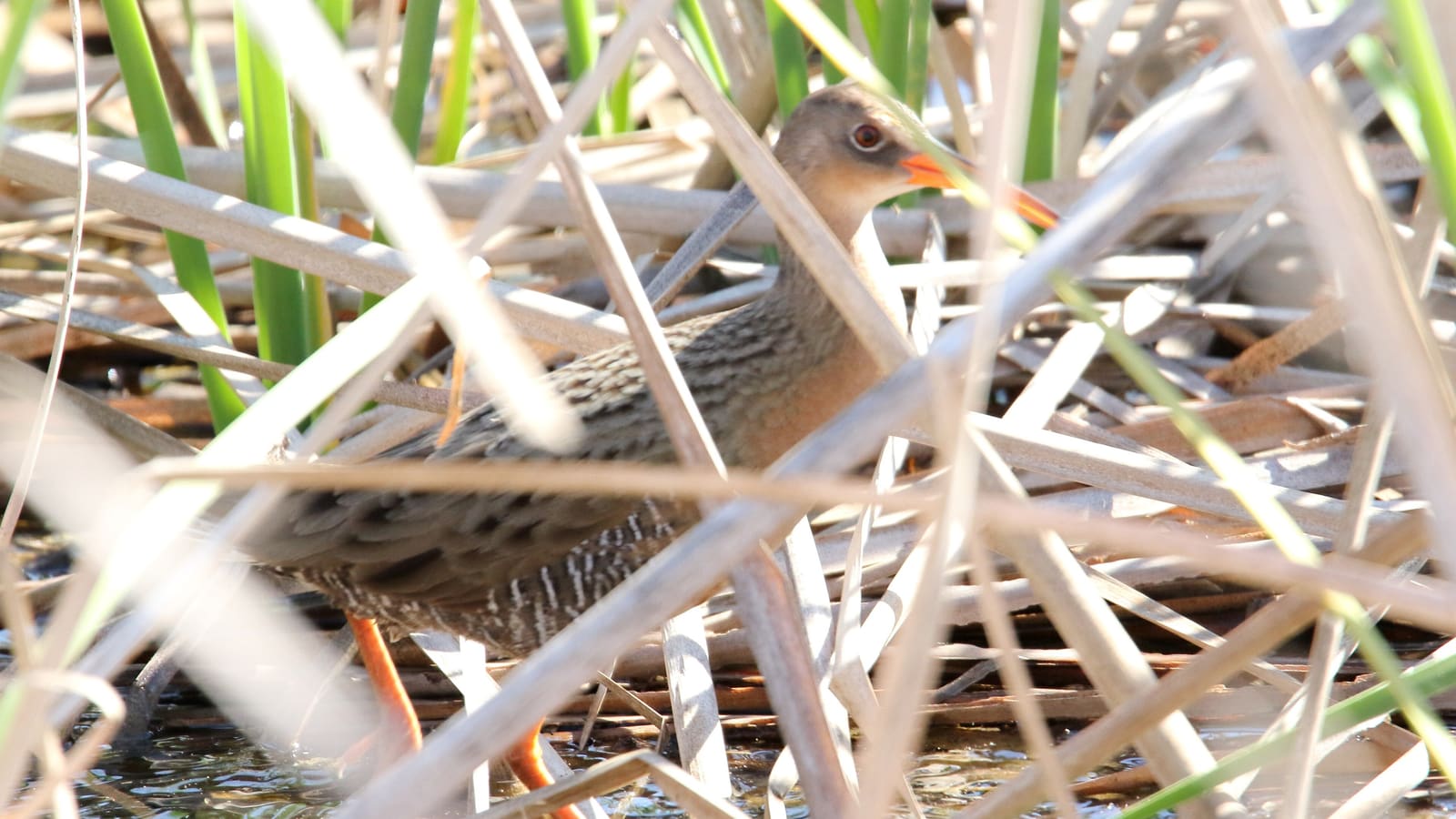
Where Desert Meets River
Yuma's location along the Colorado River, at the point where the river's riparian corridor cuts through the surrounding Sonoran Desert, gives the area an unusual concentration of habitat types packed close together. That mix -- open water, wetland vegetation, riverside cottonwood and willow habitat, and dry desert scrub -- is a major reason birders find the area worth a stop, since it can support species associated with several different habitat categories within a relatively small area.
Much of the natural riparian habitat along the lower Colorado River was historically degraded by water management, development, and invasive vegetation over the past century, which makes the restoration work in and around Yuma particularly relevant to the birding opportunities that exist today.
The East Wetlands Restoration Area
The Yuma East Wetlands is a restoration project along the Colorado River near town where degraded riverside land has been replanted with native vegetation and rehabilitated to restore riparian habitat, in part specifically to benefit birds and other wildlife. It's commonly cited as one of the more accessible entry points for birders visiting the Yuma area, with trails running along the restored river corridor.
Knowing who to ask makes "check current access" actually actionable: the Yuma East Wetlands is one of the sites listed under the Yuma Crossing National Heritage Area, which is managed by the Yuma Crossing National Heritage Area Corporation rather than by the National Park Service directly. The National Park Service puts the heritage area's restored wetlands at roughly 400 acres and lists the East Wetlands alongside the Yuma West Wetlands, Colorado River State Historic Park, Yuma Territorial Prison State Historic Park, and Pivot Point Plaza. Start with the heritage area for trail and access questions.
Because restoration areas can have seasonal maintenance, water-level changes, or occasional trail closures, check current access information before you plan a visit rather than assuming the area is unconditionally open year-round.
Riparian Corridors and Habitat Diversity
Beyond the East Wetlands specifically, the broader riparian corridor along the Colorado River near Yuma includes a mix of restored and naturally occurring habitat that supports both resident species and birds passing through on migration. The presence of water in an otherwise arid desert region is itself a significant draw for wildlife, concentrating activity along the river in a way that's less pronounced in the surrounding dry desert.
Different sections of the corridor can offer different habitat conditions depending on vegetation density, water access, and restoration status, so birders with specific target species in mind may want to research which stretch of the river is most relevant to what they're hoping to see.
Why Winter Is the Prime Season
Winter is generally considered the strongest season for birding around Yuma, for two overlapping reasons. First, it coincides with the arrival of migratory and wintering waterfowl and other species that use the Colorado River corridor as part of their seasonal range, meaning there's typically more bird activity to observe. Second, the mild winter temperatures that define Yuma's snowbird season make extended time outdoors along the river far more comfortable than the extreme heat of summer, when both birds and birders are less active during the heat of the day.
Exact migration timing shifts from year to year and by species, so checking a current regional birding resource or recent sighting reports closer to your trip date is a more reliable way to plan than relying on a fixed calendar window.
Getting the Most Out of a Visit
Early morning is generally the most productive time for birding activity in most habitats, including along the Colorado River near Yuma, and it also happens to be the most comfortable time of day even in the mild winter months. Bringing binoculars, a field guide or identification app, and water is a reasonable baseline for a morning outing along the river trails.
Outside the cool season, treat heat as the limiting factor rather than a nuisance. Birding means standing still in the open for long stretches, often on exposed levees and trails with no shade and no water source, which is a bad combination in a Yuma summer. The National Weather Service notes that everyone is vulnerable to heat, with young children and infants at particular risk because their bodies adapt less well than adults', and older adults at elevated risk, especially those with pre-existing conditions or taking certain medications. Go at first light or not at all, carry far more water than a morning walk would normally call for, tell someone your route, and check the current NWS forecast and any active heat warnings for Yuma before you go. Cell coverage along parts of the river corridor can be unreliable, so do not count on being able to call for help from the trail.
Local birding groups and nature centers, where they exist, can be a useful resource for current sighting reports and any organized outings, and are generally a more current source of on-the-ground conditions than a static guide.
Planning Your Trip
Before you go, check current trail access and any seasonal closures for the East Wetlands or other river-corridor sites you plan to visit, and check a current regional checklist rather than relying on fixed species claims from any single source, since sighting activity shifts with water levels, season, and year-to-year migration patterns.