What Yuma Proving Ground Is
Yuma Proving Ground is a U.S. Army installation in the desert northeast of Yuma, built and run for one core purpose: testing military equipment under real, extreme desert conditions rather than in a lab or a simulation. Its location was never an accident. The combination of vast open land, a dry climate with few weather delays, and low surrounding population density made this stretch of the lower Colorado River desert an ideal proving ground for equipment that has to work reliably in harsh environments.
For most visitors passing through Yuma, the installation is more a fact about the region than a place they'll actually set foot in. It's a working military base first, and understanding that distinction -- interesting regional history versus an open attraction -- is the most useful thing to take away before you start planning around it.
A Testing Range Since World War II
The installation's roots go back to 1943, when the Army established a testing range in this part of the lower Colorado River desert during World War II. That wartime origin set the pattern the base has followed ever since: a dedicated site where the Army can push equipment through conditions that are difficult to replicate anywhere else, and observe how it actually holds up rather than how it's expected to.
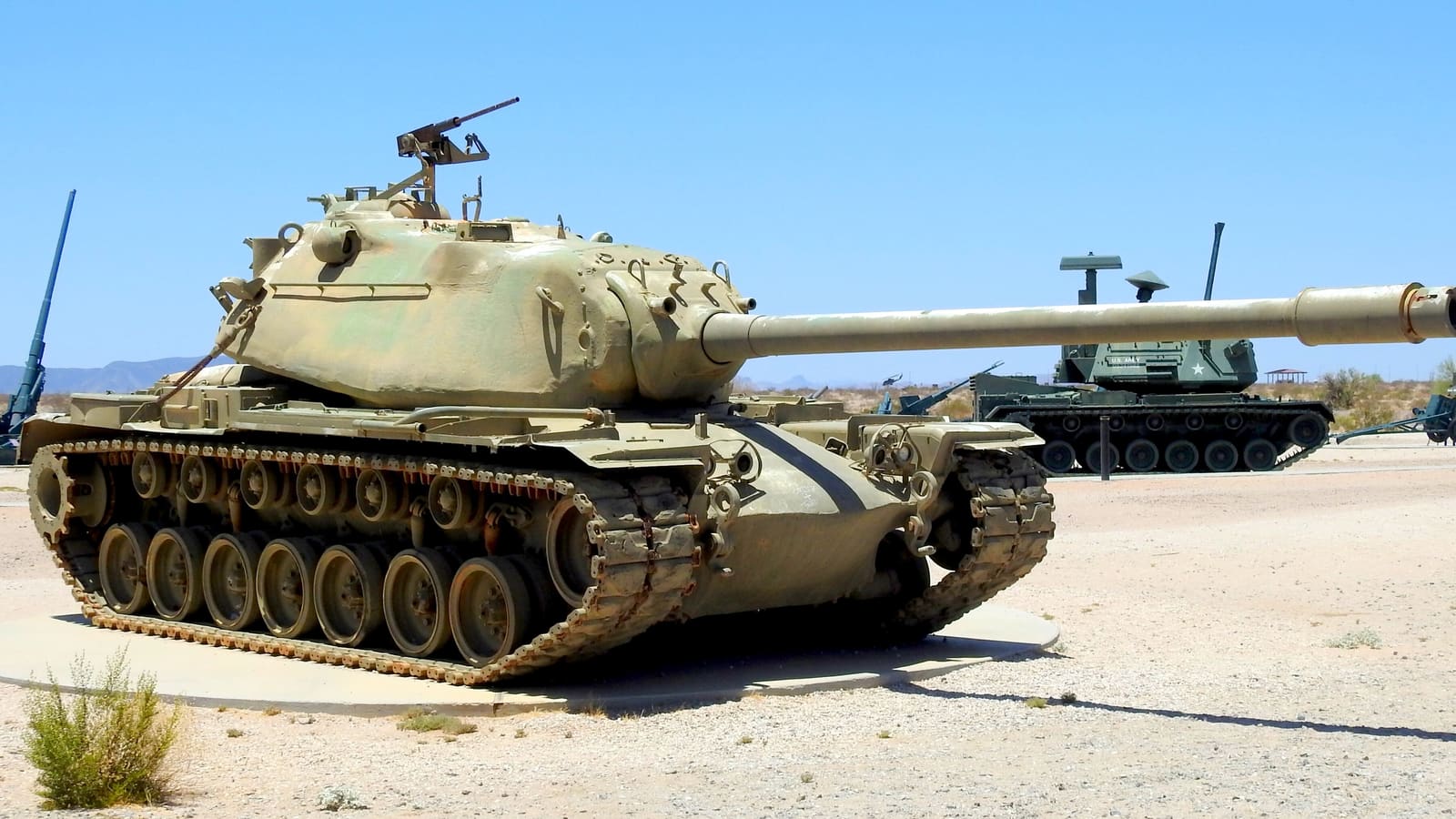
Over the decades since, the base has been associated with testing a wide range of military hardware -- weapons systems, vehicles, and parachute systems among them -- as the Army's testing needs evolved alongside its equipment. The specific programs and equipment tested at any given time are largely not public information, which is worth expecting going in rather than treating as an oversight of this guide.
One of the Largest Military Installations in the Western World
Yuma Proving Ground is widely reported as one of the largest military installations in the western world by land area. We're intentionally not citing a specific acreage figure here, since numbers reported across different sources vary and can shift as the installation's boundaries or reported figures are updated -- treat "widely reported as one of the largest" as the honest, durable claim rather than any single number you might see elsewhere.
That scale is part of why the base can support the kind of long-range, large-footprint testing that a smaller facility couldn't -- there's simply more open desert to work with, and more separation from the kind of development that would otherwise constrain what can safely be tested and where.
What It Tests Today
Yuma Proving Ground continues to serve as an active Army testing site for military equipment. It remains a working installation with ongoing testing programs, not a decommissioned or historical-only site -- which is a meaningful distinction from some other military heritage stops in the region that are preserved museums rather than active bases.
Because it's an active site with real operational and security considerations, current specifics about what's being tested, and when, are not something this guide -- or most public sources -- can responsibly detail. That's normal for an active military testing installation and isn't a gap in the reporting so much as the nature of the place.
Why This Is Not a Walk-In Tourist Site
It bears repeating plainly: Yuma Proving Ground is an active, restricted military installation, and there is no public drive-through access. This isn't a case of an attraction with limited hours -- it's a working base with legitimate security and safety reasons for controlling who comes and goes, especially given the kind of testing that takes place there.
Tours are periodically offered to the public, but they require advance arrangement through the installation and are not a standing, guaranteed, or year-round program. If a public tour opportunity exists at a given time, it will be announced and coordinated through the installation's own public affairs channels -- not through a general travel booking site or a walk-up gate request.
Planning Around a Restricted Installation
If a visit to Yuma Proving Ground is genuinely part of your plans, the right first step is to check directly with the official Yuma Proving Ground public affairs office for current information on any public tour opportunities, rather than relying on a fixed schedule or contact number from any third-party source, including this one -- those details change and aren't something we're going to guess at.
For most travelers, the more realistic way to engage with this piece of Yuma's identity is simply as regional context: a working reminder of how much of the desert Southwest's modern history is tied to military testing and logistics, alongside the river-crossing and frontier-era history covered in our Territorial Prison guide and Yuma Crossing Heritage Area guide.