Disclosure: Some links in this article are affiliate links. If you book through them, we may earn a small commission at no extra cost to you. Full disclosure.
Three days is the right amount of time for Flagstaff. Two days hits the highlights but leaves you feeling slightly rushed. Four days starts to feel like you're stretching. Three gets you: one full day of outdoors, one full downtown day, and one solid day trip — with actual time to relax in between. This itinerary is designed for first-timers.
Before You Arrive: Three Things to Handle
-
Book Lowell Observatory evening tickets. Evening telescope programs sell out in summer, sometimes 2–3 weeks ahead. Do this first before anything else on your planning list. Tickets at lowell.edu/visit.
-
Book Grand Canyon lodging or plan your route. Entry is $35 per vehicle (or use your National Parks pass) — non-U.S. residents 16 and older also owe a $100-per-person nonresident surcharge. El Tovar and Bright Angel Lodge lunch reservations fill months ahead if you want a sit-down meal at the rim. Decide in advance whether you're eating at the canyon or packing lunch.
-
Check altitude notes. Flagstaff sits at 7,000 feet. If you're coming from Phoenix (1,100 ft) or anywhere near sea level, you'll feel the difference — shortness of breath, headaches, faster dehydration. Drink more water than you think you need. Plan Day 1 activities as lower-effort. Do not schedule your hardest hike on arrival day.
Day 1: Arrive, Explore Downtown, Stargaze
Getting Here
From Phoenix: 2 hours via I-17 north. Leave by 8am to arrive before lunch and make the most of your first afternoon. For scenic stops along the way, see our Phoenix to Flagstaff road trip guide.
From Las Vegas: 4.5 hours via US-93 south and I-40 east.
From Tucson: about 4 hours (260 miles) via I-10 west to Phoenix, then I-17 north.
Check In
Downtown hotels are the right call for this itinerary — you'll be walking to dinner, Lowell Observatory is a short drive from downtown, and you want to be close to everything on Day 2. See our Flagstaff hotels guide for the full breakdown by neighborhood, price, and what each property is actually like.
Lunch — First Meal in Town
Pick one based on what sounds right after the drive:
- Pato Thai (Route 66) — $11–13 lunch special, fast, solid, no fuss.
- Pizzicletta (W Phoenix Ave) — Wood-fired Neapolitan that Arizona food writers won't stop talking about. Get there before noon on weekends or expect a wait.
- Tourist Home Urban Market — All-day brunch, $12–18, works well for groups.
Afternoon — Downtown Orientation
Day 1 at altitude: walk, explore, don't push. Save the hard physical effort for Day 2.
- Route 66 corridor — The original Mother Road runs right through downtown Flagstaff. The 1926 brick train depot is still there, the neon signs are still lit, and the street still has the bones of something historic rather than the theme-park version.
- Heritage Square — Central plaza, often has live music or community events in summer. Good place to get your bearings.
- Southside neighborhood — Ten-minute walk from downtown center. Murals, local coffee shops, a different energy from the Route 66 strip.
- Museum of Northern Arizona — 3 miles north of downtown, open until 5pm, $18 adults. The Hopi and Navajo cultural galleries are exceptional. Skip if budget is tight; it's worth it if you have the time and interest.
Optional easy hike if you arrived early: If you're in town by 2pm and have energy left by 4pm, Buffalo Park is a 5-minute drive from downtown — a flat 2-mile loop through open meadow with panoramic views of the San Francisco Peaks. 45 minutes, minimal effort, and it acclimates you gently to the elevation.
Dinner
- Tinderbox Kitchen — Farm-to-table American with a strong cocktail program. The kind of dinner that sets the right tone for the trip. Book ahead — it fills, especially on weekends. Check current pricing at tinderboxkitchen.com.
- Sosta — From the team behind Pizzicletta, now in the historic carriage house at 413 N San Francisco St. Coffee, gelato, and lunch by day, with dinner service later in the week — confirm hours at sostaflagstaff.com before planning around it.
- Lumberyard Brewing — Craft beer and pub food, $20–30 per person, no reservation needed. The low-key option if you'd rather save the nicer dinner for another night.
Evening — Lowell Observatory
This is the activity that separates a Flagstaff trip from anywhere else. See our full Lowell Observatory visitor guide for what to expect. Evening programs typically start around 7:30–8pm depending on the season and run about 2 hours. General admission (which includes the evening telescope viewing) runs around $35 for adults, less for kids — confirm current rates at lowell.edu/visit. You'll look through actual research-grade telescopes at Saturn's rings, Jupiter's moons, or deep-sky objects — whatever's up that night.
Two things to know: book in advance (summer programs sell out weeks ahead), and dress for 15°F colder than you'd expect. Even in July, the observatory hilltop at 7,200 feet drops into the 50s after dark. Bring a layer you don't plan to need.
Find the Right Hotel for This Itinerary
Compare downtown Flagstaff hotels for walkability, price, and proximity to trailheads.
Check Flagstaff Hotel Prices →We earn a small commission if you book — at no extra cost to you.
Day 2: Full Day Outdoors
Start early. Trailhead parking at Snowbowl fills by 8am on summer weekends. Set an alarm.
Choose Your Hike
Three options depending on your group's fitness level and how much time you want to spend:
Option A — Moderate: Kachina Trail (~10 miles round trip; 5 miles one-way)
This is the default recommendation for most visitors. The trail starts from Arizona Snowbowl at 9,300 feet and traverses the south face of the San Francisco Peaks through aspen and spruce forest. The full trail runs about 5 miles one-way; most visitors do it as an out-and-back. Do 2.5 miles out-and-back for a comfortable 3-hour hike, or turn a 5-mile round trip into a full half-day. September and October are when this trail earns its reputation — the aspens turn gold and the forest looks like something out of a painting.
Option B — Hard: Humphreys Peak (9.5 miles round trip)
Arizona's highest point at 12,633 feet. This is a serious hike: 3,333 feet of gain, 7–8 hours round trip. Start from Snowbowl at 6am to be off the summit before afternoon lightning season kicks in (July through September, lightning above treeline is not a joke). See our Humphreys Peak guide for the full route breakdown. Only choose this if your group is prepared for a full-day commitment and is comfortable at high altitude.
Option C — Easy: Fatman's Loop + Buffalo Park
If someone in your group isn't up for a mountain hike, this combination works well. Fatman's Loop is 2.4 miles with 400 feet of gain from the Elden Trailhead on Highway 89, then drive 5 minutes to Buffalo Park for a flat 2-mile meadow loop. Together you get about 3 hours of hiking without any serious elevation exposure.
For the full trail menu, see our Flagstaff hiking guide.
Lunch
Pack it if you're doing Kachina or Humphreys — the Snowbowl café is unreliable in summer and you don't want your morning to hinge on it being open. Bring 2+ liters of water per person, snacks, and sunscreen. At 7,000+ feet, UV exposure is significantly stronger than at sea level.
Afternoon — Walnut Canyon or Wupatki
After a morning hike, the afternoon is the right time for something that's interesting without being physically demanding. Two options:
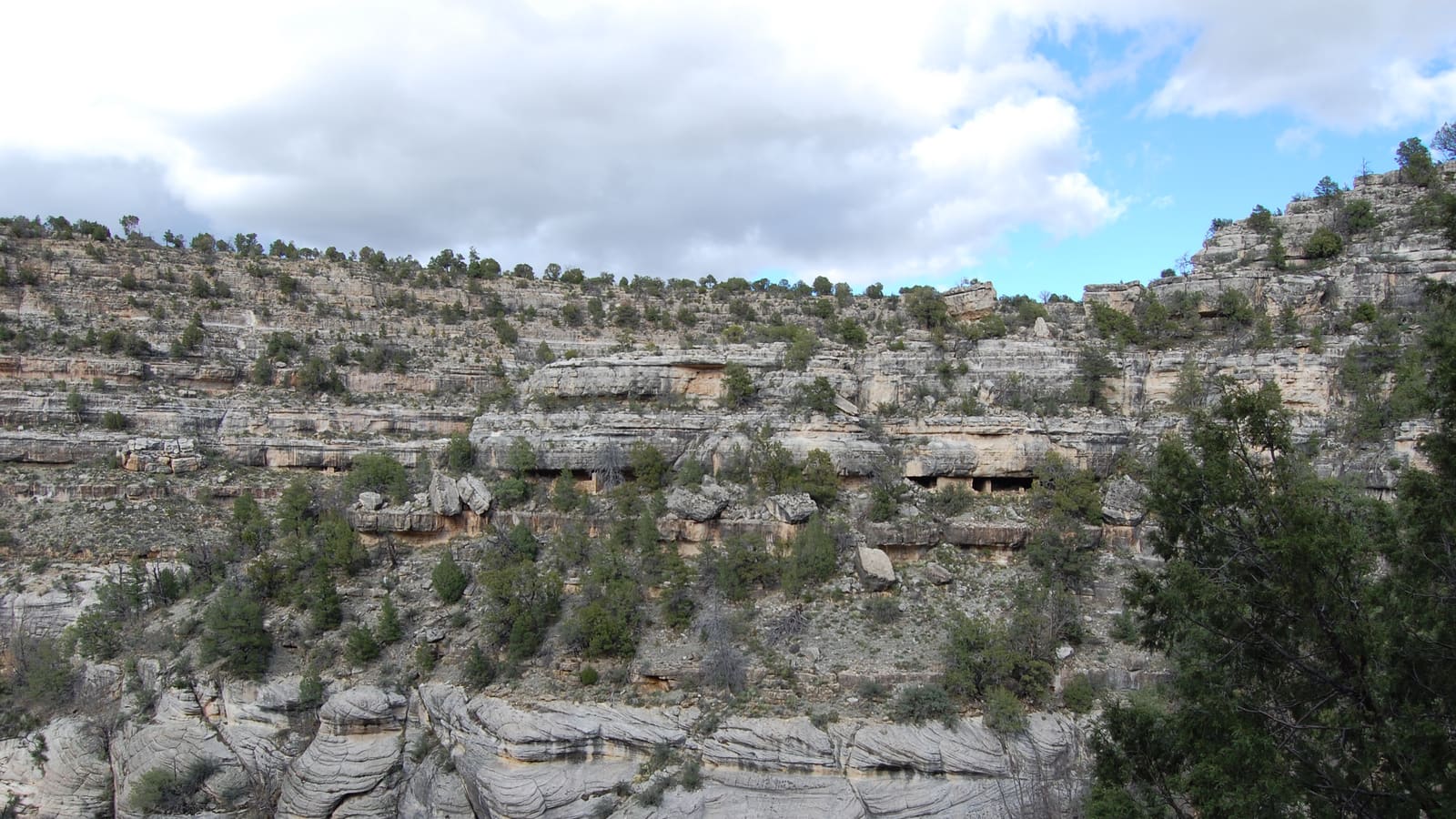
Walnut Canyon National Monument (10 miles east on I-40) — A 2-mile loop trail descends into a limestone canyon past 25 cliff dwelling rooms built by the Sinagua people around 1100 AD. The site is compact, well-maintained, and genuinely impressive. Entry $25 per vehicle. Open 9am–5pm; arrive by 3:30pm. See our Flagstaff attractions guide for visitor tips.
Wupatki National Monument (25 miles northeast on US-89) — A multi-site monument with four major Sinagua pueblo ruins spread across a red-rock landscape. The same America the Beautiful pass covers entry. Good for people who want to stay in the car a bit more and stop at overlooks.
Alternative if you're tired from the morning hike: Skip the monument and do a brewery afternoon instead. Mother Road Brewing → Dark Sky Brewing → Lumberyard. All within walking distance of each other downtown. Details in our Flagstaff restaurants guide.
Dinner — Keep It Casual
After a full outdoor day, nobody wants a three-course dinner.
- Satchmo's — Po'boys and Southern plates on Route 66, $16–22 per person. Unpretentious and good.
- Tacos Los Altos (South Milton) — The best tacos in Flagstaff at $3 each. This is the move after a hard day in the mountains. Cash-friendly, fast, and there's always a line for a reason.
Day 3: Grand Canyon Day Trip
The South Rim is 80 miles north of Flagstaff — 1.5 hours each way. Leave by 7:30am to get there before the canyon fills up.
Before You Go
- Have your National Parks Annual Pass or cash for the $35 vehicle entry fee ready at the gate (non-U.S. residents 16+ also owe a $100-per-person nonresident surcharge).
- If you made a lunch reservation at El Tovar or Bright Angel Lodge, confirm the time the night before.
- Bring more water than you think you need. Canyon heat is serious even at the rim in summer.
The Route
To enter at Desert View first, take US-89 north from Flagstaff to Cameron, then AZ-64 west to the East (Desert View) Entrance — this quieter end lets you see the canyon progressively as you drive west along Desert View Drive toward Grand Canyon Village. (US-180 northwest leads instead to the busier South Entrance at Tusayan; it's the shorter route home.)
At the Canyon
- Desert View Watchtower — Stop here first. Mary Colter's 1932 design is one of the most architecturally interesting buildings in the National Park system, and the east end of the canyon is less crowded in the morning. Worth 30–45 minutes.
- Drive Rim Drive west toward Grand Canyon Village — Stop at every overlook. Mather Point, Yavapai Point, and Bright Angel overlook are the highlights. Don't rush this.
- Rim Trail walk — Paved, flat, Mather Point to Bright Angel Lodge is 2.5 miles one-way. Easy and spectacular. Do it at whatever pace you want.
- Bright Angel Trail first mile (optional) — 560 feet of descent over 1 mile, 2 miles round trip, 1–1.5 hours. Go early in the day before it heats up. This gives you a real sense of the canyon's scale without committing to a full backcountry hike.
Lunch at the Canyon
Without a reservation: Canyon Village Market has deli sandwiches that are perfectly fine. Bring food from Flagstaff if you want to avoid the crowds entirely.
With a reservation: El Tovar Dining Room or Bright Angel Restaurant. Both require booking months ahead in summer.
Return
Head back toward Flagstaff by 3pm. You'll be back in town by 4:30pm — enough time to clean up, pack, and head out if you're leaving that evening, or have a relaxed last dinner if you're spending the night.
Alternative Day 3: If Grand Canyon feels like too much driving, Bearizona in Williams (30 minutes west on I-40) is a drive-through wildlife park with bears, wolves, and bison — a genuinely different experience and good for anyone who didn't want another hike-heavy day.
Book a Guided Grand Canyon Tour
Skip the driving and join a guided day trip — small groups, hotel pickup, expert guide included.
Browse Grand Canyon Tours on Viator →We earn a small commission if you book — at no extra cost to you.
Last Dinner in Flagstaff
Two options depending on how the trip has gone:
Josephine's Modern American Bistro — A restored Craftsman bungalow with a garden patio, seasonal menu, and a feel-good atmosphere for a last night. $40–55 per person. The kind of dinner you'll reference later when you tell someone about the trip.
MartAnne's Burrito Palace — For one truly local experience before you leave. $8–12, cash, no frills, green chile that earns its reputation. If you haven't been here yet, this is the meal.
For the complete Flagstaff dining picture, see our Flagstaff restaurants guide. And for the full Grand Canyon day trip logistics, including early-morning tips and parking details, see our Grand Canyon day trip guide.
Budget Breakdown
Costs for two people, three nights, covering all three days of the itinerary as described. Budget column assumes shared economy lodging, cooking some meals, and skipping paid attractions. Splurge column assumes two people acting like they've earned it.
| Expense | Budget | Mid-Range | Splurge |
|---|---|---|---|
| Hotel (3 nights) | $180–240 | $300–450 | $500–800 |
| Food (3 days, per person) | $90–130 | $180–250 | $350+ |
| Lowell Observatory (2 people) | ~$70 | ~$70 | ~$70 |
| Grand Canyon entry | $35/vehicle | $35/vehicle | $35/vehicle |
| Gas (from Phoenix, round trip) | $30–40 | $30–40 | $30–40 |
| Total (2 people) | $500–700 | $900–1,200 | $1,500+ |
Grand Canyon entry above assumes U.S.-resident pricing. Non-U.S. residents 16 and older owe an additional $100-per-person nonresident surcharge, not included in the totals above.
Packing Checklist
Year-Round Essentials
- Layers — The temperature swing between midday and evening in Flagstaff is 30–40°F. You'll need them.
- Hiking shoes — Not sneakers. Flagstaff trail terrain is rocky volcanic rock that will destroy cheap footwear and your ankles.
- Sunscreen SPF 50+ — Altitude means significantly stronger UV exposure. Reapply.
- 2+ liter water capacity per person — Both for hiking and for general altitude hydration.
- Headlamp — For the Lowell Observatory evening program and any late trailhead start.
Seasonal Additions
May–August: Rain jacket or packable shell (monsoon storms July–August can appear fast), hat with a brim for sun protection.
September–November: Fleece mid-layer for cooler mornings, fall layers if you're targeting aspen season on Kachina Trail.
December–March: Heavy coat, microspikes if hiking Humphreys in snow, ski clothes if Arizona Snowbowl is the plan.
See our Flagstaff travel planning guide for a full seasonal packing list by month.
Seasonal Adjustments
Winter (December–March)
Swap Day 2 hiking for skiing at Arizona Snowbowl. The resort sits on the same San Francisco Peaks as Kachina Trail, has a vertical drop of 2,300 feet, and gets enough snow from Flagstaff's elevation to be legitimate. The Grand Canyon in winter is stunning and genuinely uncrowded — if you can handle cold, it's a better experience than summer. Bring serious layers.
Fall (September–October)
The best time to use this itinerary exactly as written. Kachina Trail is at its peak in October when the aspens turn gold. Book hotels ahead — fall color brings visitors and inventory tightens. Days are warm, nights are cool, and afternoon monsoons are over.
Summer (June–August)
Start all hikes before 8am. Afternoon thunderstorms are real above treeline, and lightning exposure on Humphreys Peak above 11,500 feet is a serious hazard from July through September. The canyon at midday in August is hot even at the rim. Stay close to the rim, drink constantly, and do anything strenuous before noon.
What to Do on a Second Visit
Once you've done the three-day first-timer itinerary, the natural extensions are: Antelope Canyon and Lake Powell (2.5 hours northeast), Monument Valley (3 hours north), and the White Mountains loop through Pinetop-Lakeside (2 hours southeast). See our Flagstaff vs Pinetop comparison for context on what changes when you head south into the mountains.
Frequently Asked Questions
Is 3 days enough time in Flagstaff?
Three days covers all the first-timer essentials: hiking, downtown exploration, Lowell Observatory, and the Grand Canyon day trip. You could spend a week and not exhaust the options, but 3 days leaves Flagstaff feeling like a complete experience rather than something you had to rush through.
What is the best time to visit Flagstaff for 3 days?
May–October for the full itinerary as written. September and October are the best months — warm days, cool nights, no monsoon disruption, and fall foliage on Kachina Trail. June–August is popular but plan all hikes for morning before afternoon storms.
Do I need a car for this 3-day itinerary?
Yes. Downtown is walkable for restaurants and evening activities, but trailheads, Walnut Canyon, and the Grand Canyon all require a car. Uber/Lyft service in Flagstaff is limited and not reliable for anything outside downtown.
Should I hike Humphreys Peak on this trip?
Only if your group is fit and prepared for a full-day commitment: 9.5 miles, 3,333 feet of gain, 7–8 hours. Don't attempt it July–September without starting at 5–6am due to lightning risk above treeline. If there's any uncertainty, Kachina Trail is scenic and satisfying without the same commitment.
Can I add the Grand Canyon to a 2-day trip instead?
Possible but not recommended. Two days in Flagstaff means rushing either the city or the canyon. The 3-day structure works because you have one real hiking day, one downtown day, and one day trip day. See the 2-day Flagstaff itinerary if 3 days isn't possible.