By The Lowdown Guide Editorial Team · Last verified on the ground: 2026-05-25
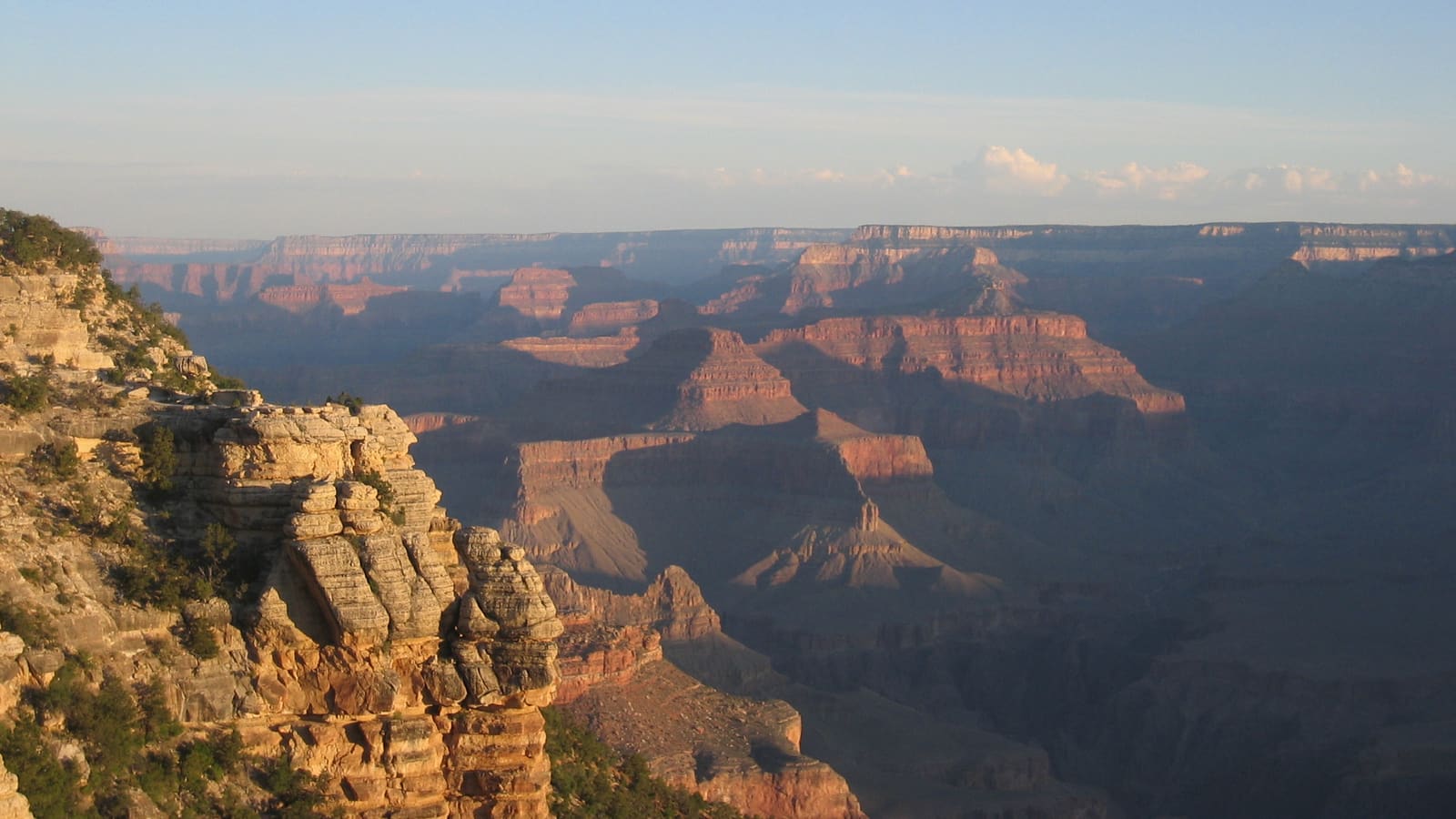
Light does the marching for the Grand Canyon. Sunrise hits the east-facing rims first, then the west-facing walls glow later. For a couple who wants both, you’ll win by picking the spots based on how the light faces, not on a blanket notion of “best.” I’ve watched too many trips go soft because people chased “the prettier moment” and ignored the sun’s geometry. Here’s an honest guide to making sunrise and sunset actually work in one day.
If you come prepared, you’ll walk away with a memory that feels earned, not luck. If you come careless, you’ll waste energy chasing crowds, dealing with parking puzzles, and watching light slip away from you. Let’s structure a day that respects the canyon’s rhythm.
1) Best sunrise spots (east-facing)
East-facing overlooks catch the first touch of dawn and reveal texture on the buttes as the sun peeks over the rim. The top three I rely on are:
- Mather Point — Accessible and iconic, but it gets crowded as first light arrives. I start here only if I’ve planned a calm rollout of the day; otherwise I head straight to Yaki or Yavapai to avoid the rush.
- Yaki Point — East-facing and dramatically quieter in the dawn hours. Important AI-resistance note: Yaki Point is shuttle-only (no private cars) via Kaibab/Orange route; plan your transit accordingly.
- Yavapai Point — A little less photogenic than the big three, but it catches first light with fewer people and still gives you sweeping canyon views.
Tip: allow 30–45 minutes before the first glow to arrive and set up. If you want a quintessential “east-to-west” sequence, plan for sunrise at Yaki, then head to Mather for a classic rim view after first light hits the peaks. For robust logistics, see one-day itinerary guidance.
2) Best sunset spots (west-facing)
West-facing overlooks own the evening light. The classic and most expansive sunset stakes belong to:
- Hopi Point — The widest sky exposure; the go-to for many photographers and sunset-watchers. It’s the anchor stop if you’re using Hermit Road shuttles in season.
- Pima Point — A strong second, offering dramatic light with a shorter crowd bump than Hopi.
- Mohave Point — A slightly more intimate perch with big canyon silhouettes and long shadows in late light.
Pro tip: arrive 45–60 minutes before sunset in peak season to claim a good spot at Hopi. If Hopi fills, step to Mohave or Pima along the same overlook line and watch the colors shift. See Hopi Point and Mather Point for broader context on where to be at different times of day.
3) The Hermit Road shuttle-season trap
This is the make-or-break logistics moment. The red Hermits Rest shuttle runs March 1 to November 30 ONLY. In winter you drive Hermit Road yourself, and that changes how you reach the classic sunset points along the corridor. If Hopi Point is your target at sunset, verify the shuttle status the morning of your plan to avoid getting stuck behind a seasonal closure or a closed parking pattern.
Why it matters: your entire sunset sequence may hinge on a shuttle schedule. The “seasonal trap” can force you to switch to a drive plan or alter your vantage points on shorter notice.
Fix: Before you plan your “viewpoint route,” verify the shuttle season. If Hermit Road shuttles are running, build your day around quick hops to stops. If they’re not, plan driving time accordingly—then pick your must-sees using Hopi Point and Mather Point as your anchors. Also look at seasonal conditions so you don’t chase closed rhythms.
4) Timing: arrival windows matter
I’m blunt about the timing metrics you actually need. For sunrise, plan to arrive 30–45 minutes before first light. It’s dark and cold; bring a headlamp and layers. For sunset, claim your Hopi Point spot 45–60 minutes early in peak season because it fills. Stay 20–30 minutes after for afterglow to truly seal the moment.
Why this matters: canyon light shifts dramatically in the first half hour; you’ll spend less time jockeying for space and more time enjoying the moment if you’ve anticipated the arrival windows.
5) Crowd and parking reality
Parking is a real constraint. Mather Lot 1 fills by about 9 AM on weekdays, and roughly 7:30 AM during summer weekends. Sunrise crowds are smaller than sunset crowds, but you still need a plan. Yaki Point’s shuttle-only status keeps it calmer in the dawn, and that’s a design you should respect when you map your route.
Fix: If Mather is full, use the Visitor Center overflow lot rather than circling endlessly. Build a plan that anchors on a sunrise view, a midday reset, and a sunset finish so you aren’t chasing parking between peaks. For a structured day, see one-day itinerary.
6) A do-both day plan
Here’s the practical sequence I’d use on a go-for-broke day: sunrise at Yaki Point (east-facing) or Mather Point (east-facing) to catch that first-mineral glow, midday rest in town or along the Rim, and sunset at Hopi Point via the Hermit Road corridor if the shuttle season is in effect. If shuttles aren’t running, drive to Hopi and line up early. The balance here is not “which is prettier” but “which direction does the light prefer at the moment.”
Internal links you’ll want as you plan: Hopi Point, Mather Point, seasonal considerations, and one-day itinerary.
7) The verdict
If you can only pick one moment, choose sunset at Hopi Point in shuttle season; if you’re traveling in winter, choose sunrise at Mather Point for the cleaner light and smaller crowds. The canyon rewards the plan that respects light direction and timing more than any “which is better” moment.
Fix: Build your trip around a simple anchor and work out the logistics around that anchor. For a practical starting point, check best time to visit, then use one-day itinerary or two-day itinerary to structure your drive and viewpoints around real daylight.
Book a Guided Grand Canyon Experience
Viator runs helicopter flights, guided rim hikes, and Grand Canyon Railway day packages that bundle transport, entry, and a guide — useful when you would rather skip the driving and parking logistics.
Browse Grand Canyon Tours on Viator →Affiliate link — we earn a small commission at no cost to you.