What Swimming at Lake Powell Actually Looks Like
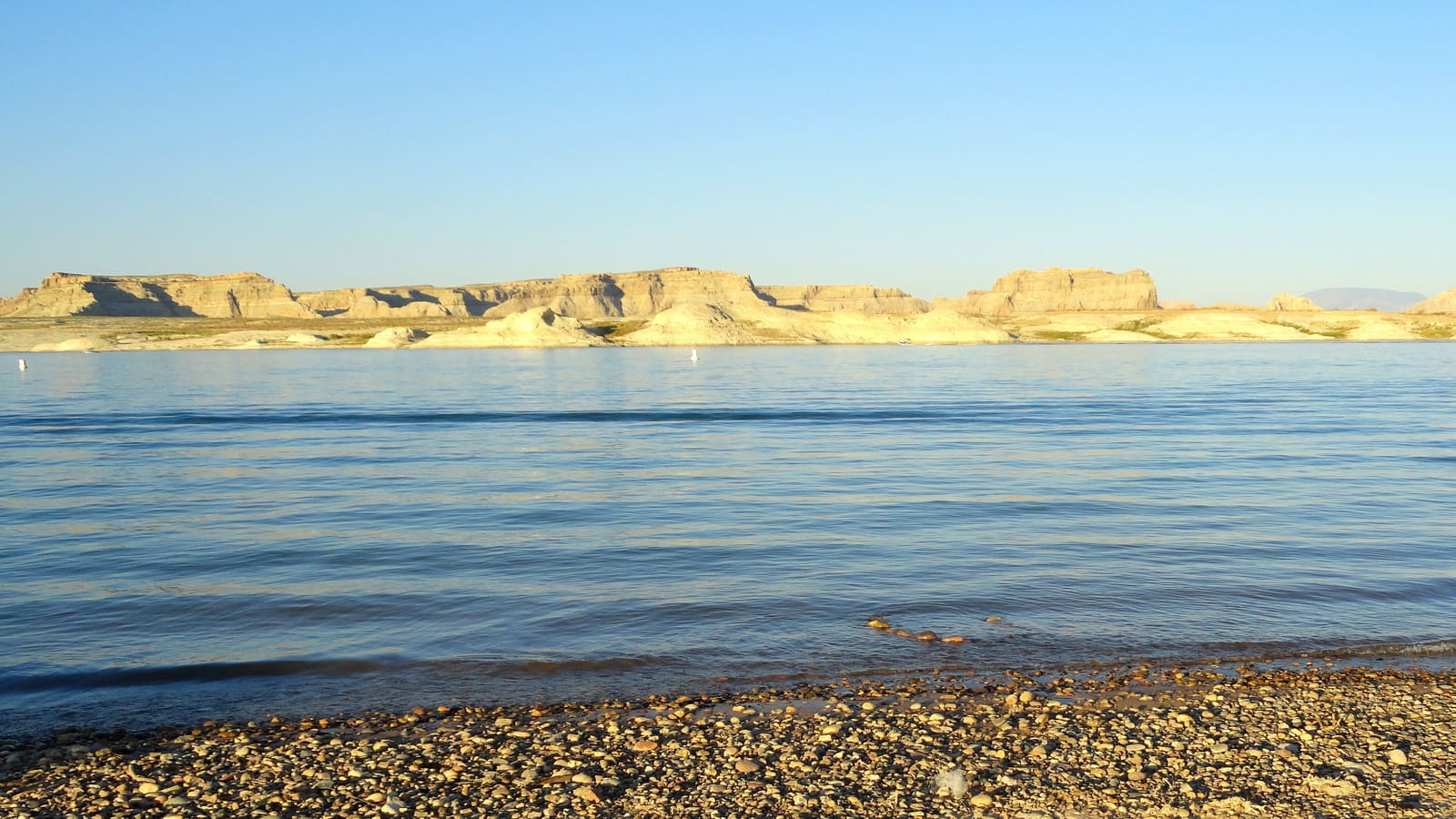
Swimming at Lake Powell is not a traditional beach experience. There are no resort pools or lifeguarded swim zones with roped-off lanes. The lake is a reservoir carved through canyon country -- you swim from a sandy ledge at the base of a sandstone wall, from the deck of a rented boat, or off a beach that you reached by a 20-minute drive or a two-hour boat ride.
The payoff is the scenery. The water is clear and the canyon backdrop is unlike anything available at a conventional swimming destination. When you swim in a side canyon with 400-foot walls rising on either side and the surface reflects the color of the sandstone above, it is genuinely striking. That experience is worth the extra planning it takes to access it.
The lake is also large and remote. Cell coverage disappears quickly once you leave the main marina areas. Conditions can change -- afternoon winds kick up waves on open water, and water temperature varies significantly between sun-exposed shallows and deeper channel areas. Plan accordingly and do not swim alone in remote locations.
Water Temperature Month by Month
Water temperature at Lake Powell follows a predictable seasonal pattern, though the specific numbers vary year to year. The lake is cold in early spring -- April water temperatures typically range from the mid-50s to low 60s Fahrenheit, which is uncomfortable for extended swimming and potentially dangerous for sudden immersion. May temperatures rise into the upper 60s as the surface warms.
June marks the transition to genuinely comfortable swimming for most people, with surface temperatures reaching the low to mid-70s. July and August push surface temperatures to the upper 70s and sometimes briefly into the low 80s -- this is the warmest the lake gets and the best window for extended swimming. September maintains warm temperatures before cooling begins in October.
By November, surface temperatures drop back toward 60 degrees and below. Winter swimming exists but is for cold-water enthusiasts only. Always check current lake conditions before a trip -- a cooler-than-average snowpack year or an unusual weather pattern can shift these ranges by several weeks in either direction.
Best Swimming Spots Accessible from Shore
Lone Rock Beach, located roughly 3 miles from the Utah side of Wahweap Bay, is the most accessible shore-based swimming destination at Lake Powell. The beach is expansive and the water is shallow and gradual -- good for families and for people who want to swim without renting a boat. A day-use fee applies to vehicle access. The area is undeveloped and unguarded; bring everything you need.
Antelope Point Marina has a small beach area near the marina facilities that is accessible without a boat rental. The swimming here is calmer than at open-lake beaches because the marina provides some protection from wind. This is a useful option for visitors staying in Page who want a quick swim without a long drive or a boat.
The Wahweap area shoreline near the campground has limited but usable access to the water. The bottom is sandy in some areas but rocky in others -- check conditions before wading in. The view from the water here includes the Glen Canyon Dam structure, which is a different kind of swimming backdrop than the canyon coves.
Canyon Swimming from a Boat
The best swimming at Lake Powell requires a boat. Side canyons accessible only by water offer the clearest, most protected swimming conditions on the reservoir. Navajo Canyon, a long side canyon accessible from the main channel, has multiple spots where you can anchor in calm water with sheer walls on both sides. The water here is deeper than shore beaches and the color is striking.
Many unnamed and unnamed side canyon coves along the main channel and arms of the lake offer similar conditions. The strategy is simple: navigate into a side canyon until you find a sandy landing or a smooth rock ledge at water level, set anchor or nose the boat onto the beach, and swim. The canyon walls provide afternoon shade, which makes these spots more comfortable than open beaches in peak summer heat.
Carry a swim ladder if your rental boat has a high freeboard -- getting back into the boat from the water is harder than getting in, and a ladder makes re-boarding safe for swimmers of all ages and fitness levels. Verify that your rental boat includes one before departing.
Safety Rules Every Swimmer Should Know
There are no lifeguards on Lake Powell. No swim zones are patrolled or monitored. Every swimmer is responsible for their own safety and the safety of the people swimming with them. This is not a liability disclaimer -- it is a practical fact that changes how you should approach swimming here compared to a supervised beach.
Life jackets are required to be accessible to every person on a vessel while underway, and the National Park Service requires everyone 12 and under to wear a Coast Guard-approved life jacket whenever a boat is in operation. The NPS also strongly recommends that young children and inexperienced swimmers wear a life jacket whenever they are in or around the water. Do not dive headfirst from canyon walls into the lake -- underwater hazards are not marked, depths are not guaranteed, and striking a submerged shelf at diving speed has caused serious injuries at Lake Powell. Cliff jumping and diving are prohibited here.
Boat traffic is the other major safety factor. The main channel at Lake Powell carries significant boat traffic on summer weekends. Designate a spotter who stays on the boat whenever someone is in the water. Use a swim flag if you have one. Stay close to shore or in side canyons away from main channel traffic when possible.
Best Months to Swim at Lake Powell
Late May and early June offer the best balance of warm enough water and manageable crowds. July and August are peak swimming season for water temperature, but they are also peak crowd season and peak heat season -- midday temperatures on the open lake can exceed 105°F in July. If you swim in midsummer, plan for early morning and late afternoon activity and find shaded canyon coves for midday breaks.
September is underrated. Water temperatures remain warm from the summer heat absorbed by the reservoir, crowds thin noticeably after Labor Day, and afternoon light on the canyon walls improves. September is arguably the best month to combine boating, swimming, and photography at Lake Powell.
October swimming is possible but increasingly chilly as the month progresses. The lake is peaceful and uncrowded, and the light is excellent, but be prepared for water temperatures in the low 70s or below. A wetsuit extends the comfortable swimming season into late October for those who want it.