The Short Version of Each Canyon
Upper and Lower Antelope Canyon are two separate slot canyons carved into the same sandstone country just outside Page. They are run by different tour operators and visited on different tours, so you choose one at booking time rather than at the canyon mouth. Neither can be entered on your own: Navajo Nation Parks and Recreation requires a Navajo guide at the Antelope Canyon locations, and the land is not open to self-guided wandering.
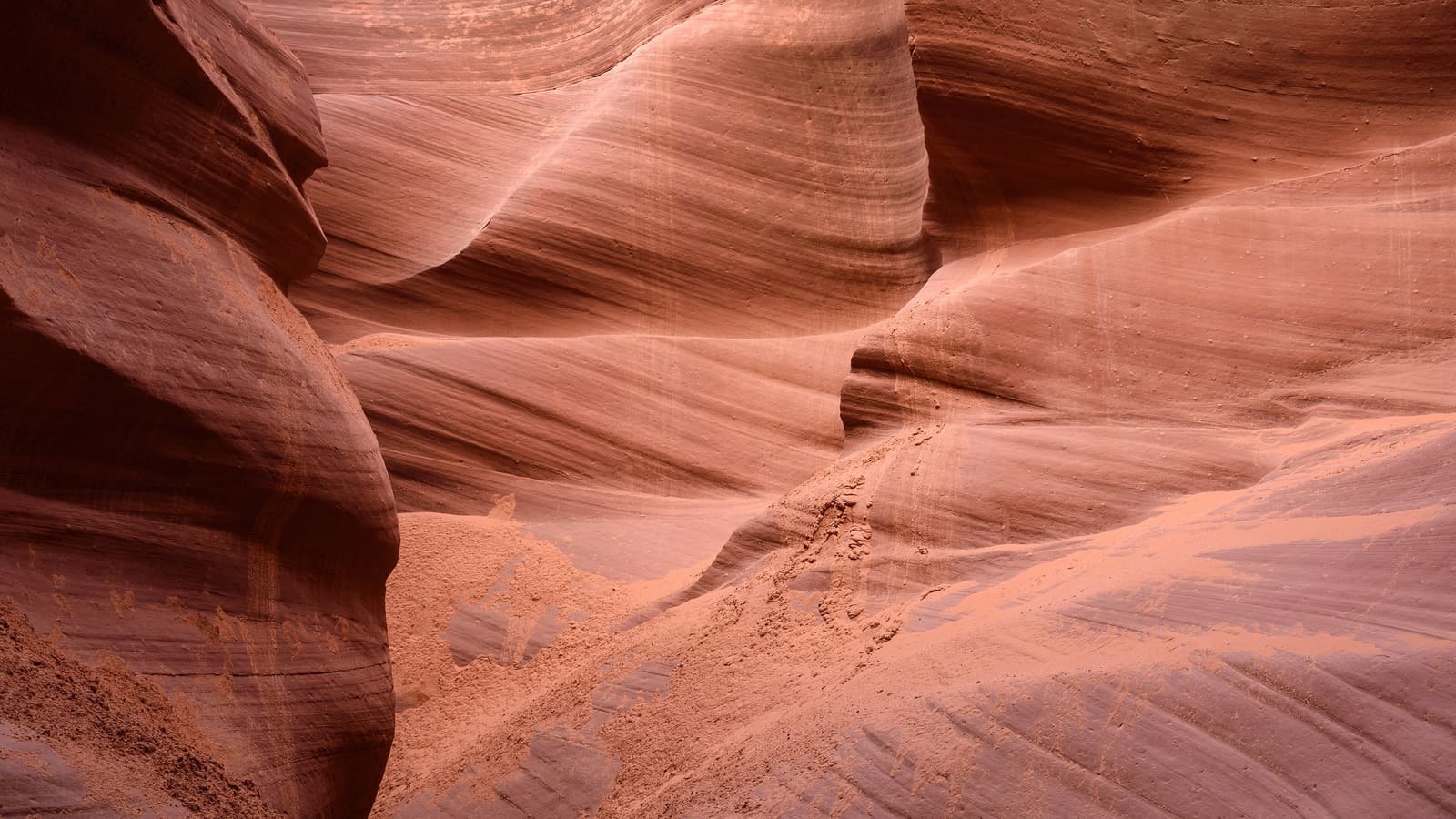
Upper Antelope Canyon is the one in most photographs. Navajo Nation Parks describes it as an A-frame canyon, wider near the floor and narrowing overhead. Lower Antelope Canyon is a V-shaped slot, tighter at the bottom, and it is entered by descending a series of stairs and ladders. That single difference in shape drives most of the other differences below.
Getting Around Inside: Effort and Footing
Upper is generally the easier visit. The route runs along a mostly level sandy floor, with little or no climbing, so it suits a wider range of ages and fitness levels. Expect fine sand underfoot and a guided group moving at a steady pace.
Lower asks more of your legs. You descend by stairs and ladders, then move through narrow passages where you may turn sideways or duck. Handrails and steps are part of the route, and the sections between them can be tight. If anyone in your group has trouble with stairs, heights, or enclosed spaces, tell the operator when you book and ask what the route involves. Do not rely on a blog post, including this one, for current accessibility details, because operators adjust their routes and rules.
Closed-toe shoes with decent grip are the safe default for either canyon. Sandy rock is slick, and ladders are a poor place for flip-flops.
Light: Beams, Glow, and Timing
The light beams that Upper Antelope Canyon is known for happen when direct sun drops through the narrow opening overhead and lights up the dust in the air. They generally show up around the middle of the day in the warmer months, when the sun is high. The exact window shifts through the season, so ask your operator what to expect on your specific date rather than trusting a rule of thumb. Outside beam season, Upper is still a striking canyon, just a more diffused one.
Lower does not have the same reputation for beams. Its light tends to be a warm glow reflecting down the curved walls, and it is often best when the sun is high enough to reach into the slot. If you are mostly chasing the beams, Upper is the safer bet. If you care more about smooth, flowing rock forms and a quieter, more sculptural feel, Lower can be the better fit.
Crowds and Pace
Both canyons run guided groups on set schedules, and popular time slots sell out well ahead of summer. Upper tends to feel busier because it is the better-known name and the beam window concentrates demand into a few hours. In Lower, the narrow passages tend to string groups out, but you may still find yourself waiting at a ladder.
Whichever you pick, a guided slot canyon is a managed experience, not a solitary one. Guides often stop to point out formations and help with camera settings, and the time you get inside is limited by the permit. If solitude matters, look at our guide to other slot canyons near Page and at Waterholes Canyon, and check current access rules for each.
Photography Considerations
Upper rewards a wide-angle lens and patience for the beams. Lower rewards close attention to curves and color gradients. Rules about tripods, bag sizes, and photography-specific tours vary by operator, and some operators offer a photography-focused tour at a different price. Ask before you book, and see our Page photography guide for general gear and light advice. Keep phones and cameras secured on a strap, because dropping one onto a ladder or into a crack in the floor is a real risk.
Booking Both, or Just One
Plenty of visitors do both in a single trip and find the contrast is the point. If you have time, book them on separate tours rather than trying to stack them back to back, and leave a buffer in case a group starts late or a tour is canceled for weather. If you can only do one, use the effort and light questions above to decide.
Tour operators, tour lengths, and entry fees are set by the operators and Navajo Nation Parks and Recreation and change over time. Check navajonationparks.org and your operator directly. Our Antelope Canyon page and Page tours page are good starting points for planning around the rest of your stay.
Weather, Flash Floods, and Closures
Slot canyons can flood when storms fall miles away, even under a clear sky overhead. Monsoon season, which the National Weather Service defines as June 15 through September 30, brings the highest risk, but a tour can be canceled or delayed at any time of year. Check the forecast the morning of your tour and read your operator's cancellation policy before you pay, since refund rules differ. See our Page weather guide for seasonal patterns.