Elk Country, Not a Guarantee
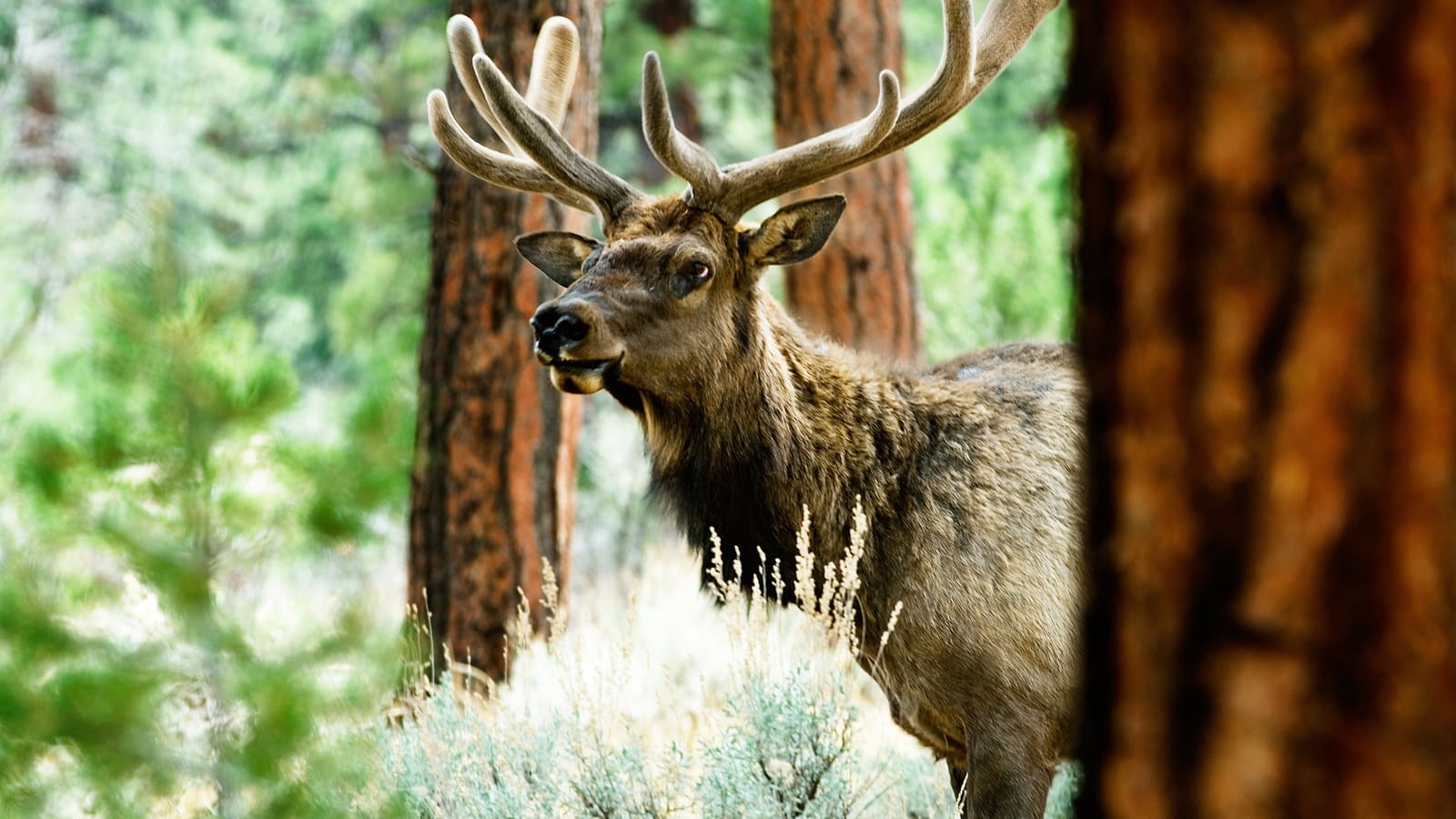
Williams sits at roughly 6,770 feet in the ponderosa pine highlands of Coconino County, surrounded by the Kaibab National Forest -- the kind of high-elevation forest habitat that Rocky Mountain elk range across through much of northern Arizona. That means elk sightings near Williams are genuinely possible, but they're wildlife, not a scheduled attraction. Herds move based on forage, weather, and season, not a visitor timetable, so this guide is about improving your odds honestly rather than promising a sighting.
Best Times of Day
Like most large grazing animals, elk are generally most active feeding at dawn and dusk, retreating to cover during the heat of midday. If you're specifically hoping to see elk rather than just passing through elk habitat, building an early-morning or early-evening drive into your plans gives you a real edge over a midday pass through the same road.
Best Time of Year
Elk behavior shifts with the season. The fall rut, roughly September into October across much of Arizona's elk range, is when bulls become noticeably more vocal and visible as they compete for mates -- it's typically considered the most reliable general window for sightings, though exact timing shifts year to year with weather. Outside the rut, elk are still present but tend to be more dispersed and less conspicuous.
Where Elk Tend to Show Up
Elk in this part of Arizona favor forest edges and meadow openings within the Kaibab National Forest surrounding Williams, moving between cover and open feeding ground rather than staying in one fixed spot. Because herd locations shift and specific sighting reports go stale fast, your best move for current, reliable information is checking directly with the Kaibab National Forest's Williams Ranger District rather than relying on a fixed list of spots.
Bearizona: A Guaranteed Sighting, Different Experience
If you want a guaranteed wildlife sighting rather than a chance one, Bearizona is a drive-through wildlife park on Route 66 in Williams with North American animals in managed enclosures. It's worth being clear about the difference: Bearizona is a wildlife park experience with reliable viewing, while roadside or forest elk watching is free but genuinely unpredictable. Neither replaces the other -- they're different kinds of wildlife encounters.
Driving Safely Through Elk Country
Elk-vehicle collisions are a real risk on Arizona's high-country highways, especially around dawn and dusk and during the fall rut when elk move more and pay less attention to traffic. Slow down on forest roads and highway stretches through wooded terrain during those windows, watch shoulders as much as the road ahead, and don't assume one elk crossing means the road is clear -- they typically travel in groups.