Why Neighborhood Choice Matters More in Phoenix Than in Most Cities
Phoenix is one of the largest cities in the country by land area, and its metro area sprawls across dozens of municipalities that blend into one another with no clear seams. A hotel that is "close to everything" in a compact city like Boston might be a 35-minute drive from your dinner reservation here. Picking a base is less about finding a central point and more about deciding which slice of the Valley matches how you actually plan to spend your days.
Before you book, sketch out your must-do list. If it leans toward hiking and desert scenery, you want proximity to trailheads. If it leans toward restaurants, nightlife, and museums, you want a walkable urban core. If you are combining Phoenix with a Phoenix 3-day itinerary that also touches day trips, you may want a hotel with easy freeway access over one that is purely walkable.
Downtown Phoenix and Roosevelt Row
Downtown Phoenix and the adjacent Roosevelt Row arts district form the closest thing the city has to a traditional walkable core. Light rail runs directly through downtown, connecting you to Tempe, Mesa, and the airport without a car. Roosevelt Row adds a concentration of galleries, coffee shops, and restaurants, plus a monthly First Friday art walk that draws crowds.
This area suits travelers who want an urban base with sports and convention access-Chase Field, Footprint Center, and the Phoenix Convention Center are all within walking distance-and who plan to lean on light rail or rideshare rather than driving everywhere. The trade-off is that downtown quiets down significantly outside of event nights, and it puts you 20 to 30 minutes by car from Camelback Mountain, Papago Park, and most of the classic desert hiking that draws people to Phoenix in the first place.
Camelback Corridor and the Biltmore
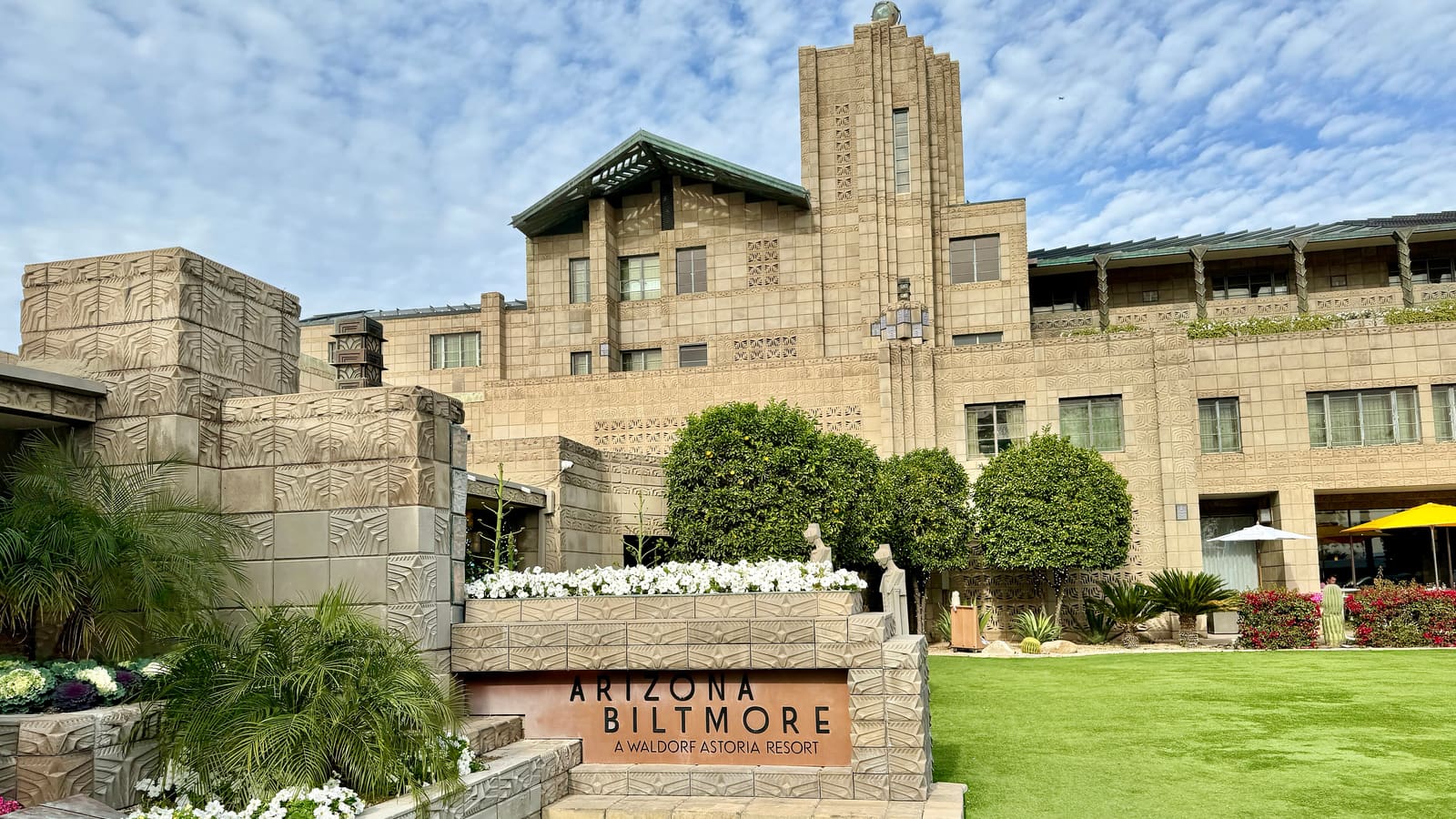
The Camelback Corridor, anchored by the Arizona Biltmore area, is the Valley's upscale resort belt. Hotels here range from boutique properties to full destination resorts with spas, golf, and multiple pools, and the corridor sits within a short drive of both Old Town Scottsdale and central Phoenix. Upscale shopping and a strong concentration of dining line Camelback Road itself.
This is a strong pick for travelers prioritizing resort amenities, golf, or a quieter, more residential feel than downtown offers. It is also the most direct base for anyone planning to tackle Camelback Mountain on foot, since several trailheads sit within a few minutes' drive. The trade-off is cost-resort fees and room rates here run higher than downtown or Tempe on average-and a heavier reliance on driving, since the corridor is not especially walkable outside its immediate shopping strip.
Old Town Scottsdale and the Scottsdale Border
Technically outside Phoenix city limits, Old Town Scottsdale sits close enough to the Camelback Corridor that many Phoenix-based trips fold it in as a base. It offers a dense, walkable strip of restaurants, bars, and boutique shopping, plus proximity to Scottsdale's golf courses and the Salt River nearby.
Choose this area if nightlife, golf, or a resort-town atmosphere matters more to you than being centrally located in Phoenix proper. Keep in mind that Old Town adds real drive time to west-side Phoenix attractions and to the airport, and that weekend nights can get loud and crowded in a way that differs from the rest of the Valley.
Tempe and the Airport Corridor
Tempe sits just southeast of Sky Harbor and is anchored by Arizona State University and Tempe Town Lake. It is directly served by light rail, making it genuinely easy to get downtown or to the airport without a car, and it tends to run cheaper than the Camelback Corridor or Old Town for comparable room quality.
Tempe is the practical choice for red-eye flights, early departures, conference travel tied to ASU, or budget-conscious trips that still want walkable dining. The lake path and campus area give it a livelier feel than a typical airport hotel zone. The downside is that it puts you farther from the north-Phoenix and Camelback hiking scene, and the college-town energy is not for everyone, especially during ASU home game weekends when rates spike.
North Phoenix, Desert Ridge, and South Mountain
North Phoenix, centered on the Desert Ridge area, is built around large resort properties, an outdoor shopping and dining complex, and easy freeway access via Loop 101. It suits families and golfers well, and it is a strong staging point if your plans include the Desert Botanical Garden or a broader loop through things to do in Phoenix that spans the whole Valley by car.
South Mountain, by contrast, is quieter and more residential, appealing to travelers who want proximity to South Mountain Park's extensive trail network and don't mind being farther from downtown nightlife. Both areas require a car for nearly everything-there is no meaningful walkability, and light rail does not reach either one directly. If your itinerary is car-based anyway, both offer good value and easy access to major freeways for day trips.
Matching the Area to Your Trip
A short business trip built around downtown meetings points toward Downtown or Roosevelt Row. A resort getaway with golf and spa time points toward Camelback Corridor, Old Town, or Desert Ridge. A budget trip anchored around the airport and light rail points toward Tempe. A hiking-heavy trip built around best hikes in Phoenix points toward Camelback Corridor or South Mountain, depending on which trailheads top your list.
If you're coming for a longer Arizona swing rather than only Phoenix, factor that into your base too-travelers heading north afterward to Sedona, Flagstaff, or the Grand Canyon often prefer a north-Phoenix or Camelback-area hotel since it shaves real time off the drive compared with staying downtown or in Tempe.