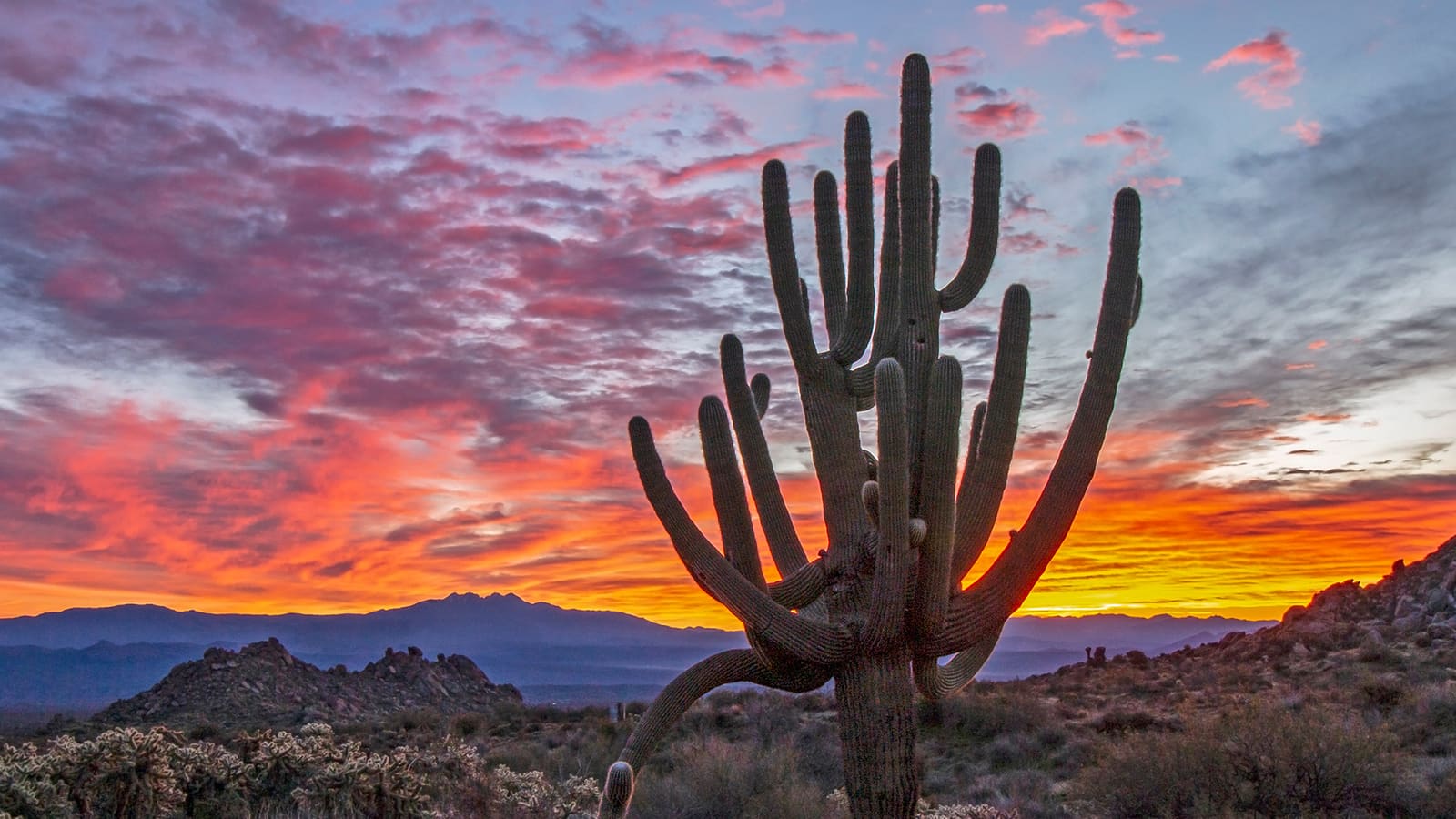
Why Winter Is Phoenix's Peak Season
Most cities treat winter as their slow season. Phoenix runs the opposite calendar: the brutal heat that defines its summers disappears from roughly November through March, replaced by conditions that are genuinely pleasant for being outside all day. That inversion is the whole reason "snowbird season" exists as a term-hundreds of thousands of seasonal residents, largely retirees from colder states and Canada, relocate to the Valley for these months specifically to escape winter elsewhere.
That influx shapes everything about visiting in winter. Restaurants, golf courses, and hiking trails all see meaningfully more traffic than in the shoulder seasons, and the hospitality industry prices accordingly. If you're weighing when to visit at all, our guide to the best time to visit Phoenix lays out the full year-round trade-offs; this guide assumes you've already landed on winter and want to know what to expect.
Typical Weather
Winter days in Phoenix typically run mild by most standards, with daytime highs commonly landing in the 60s and 70s Fahrenheit through the core of the season, though exact ranges shift year to year and you should check a current seasonal forecast when planning specifics. Mornings and evenings cool down noticeably more than the daytime high suggests, and desert nights in particular can feel genuinely cold once the sun is down, especially in December and January.
Rain is possible but not the defining feature of a Phoenix winter-expect mostly sunny days with occasional storm systems passing through, more common from December into early spring. Pack layers rather than committing fully to either warm-weather or cold-weather clothing, since a single day can swing from a light jacket at sunrise to shorts weather by early afternoon.
What's Best to Do in Winter
Hiking is the standout winter activity in Phoenix, precisely because it's miserable or outright dangerous in summer. Trails that are best avoided from May through September-including the climb up Camelback Mountain-become genuinely enjoyable in winter's cooler temperatures, and the wider range of best hikes in Phoenix opens up fully once the heat backs off.
Patio dining is another winter strength. Restaurants across the Valley lean hard into outdoor seating once temperatures cool, and winter is when that seating is actually comfortable rather than an endurance test. Pair a patio-focused night out with recommendations from our Phoenix food guide for a season-appropriate plan. Golf also peaks in winter, with course conditions and weather both at their best-see our Phoenix golf guide for course-specific advice.
Spring Training Lead-Up
Cactus League spring training is one of the biggest draws that pulls visitors toward the tail end of Phoenix winter. Workouts and exhibition games typically ramp up in February and continue through March across stadiums scattered throughout the Valley, and the crowds, hotel pricing, and rental car demand all climb accordingly during that stretch. If a spring training trip is part of your plan, read our dedicated Phoenix spring training guide for stadium locations and planning specifics, and book lodging well ahead of the season-late bookings during peak spring training weeks routinely run into sold-out hotels across entire submarkets.
Even travelers with no interest in baseball feel spring training's effect on the city each winter-it's worth knowing it's happening even if it's not your reason for visiting, since it directly affects pricing and availability from February onward.
Festivals and Events
Winter is also when much of Phoenix's outdoor event calendar clusters, from holiday light displays at botanical and cultural venues through a run of art fairs, food festivals, and the general uptick in outdoor markets that the mild weather makes possible. The Desert Botanical Garden in particular runs seasonal evening events during winter that are worth checking against your travel dates, since the cooler evening air makes an after-dark garden visit genuinely comfortable rather than a summer impossibility.
Because specific event dates and lineups shift year to year, check official venue and city calendars close to your travel dates rather than relying on a prior year's schedule.
Crowds and Pricing
Winter is unambiguously Phoenix's most expensive and most crowded season for lodging, and understanding why helps you plan around it. Snowbird residents inflate baseline demand for months at a time, holiday travelers add a spike in late December, and spring training adds a second, sharper spike from February into March. Hotel rates across nearly every neighborhood climb accordingly, and popular restaurants and tours can require reservations further in advance than you'd need in the shoulder seasons.
If your dates are flexible, the window between the holidays and the ramp-up of spring training-roughly early-to-mid January through late January-tends to offer a reasonable middle ground: still comfortable weather, but somewhat less pressure on lodging and reservations than the peaks on either side. That said, treat any specific pricing pattern as a general tendency rather than a guarantee, since demand shifts year to year.
Packing for a Phoenix Winter Trip
Layering is the core packing strategy. A light jacket or fleece for cool mornings and evenings, breathable clothing for warm afternoons, and comfortable closed-toe shoes for hiking cover most of what a winter Phoenix trip requires. Sun protection still matters even in winter-the desert sun remains strong on clear days regardless of the temperature, so sunscreen and sunglasses belong in your bag year-round here, not just in summer.
If your winter trip includes any hiking, bring more water than the cooler temperatures might suggest you need; dehydration risk drops in winter but doesn't disappear, especially on longer or more strenuous trails.
Day Trips That Work Well in Winter
Winter's mild temperatures make it a strong season for day trips that would be far less comfortable in summer heat, including trips into higher-elevation areas where winter weather runs cooler and occasionally colder than the Valley floor. If you're extending your trip northward, both Sedona and Flagstaff run noticeably colder than Phoenix in winter and can see snow, which makes for a striking contrast if you're chasing both desert warmth and mountain scenery on the same trip-just pack accordingly for the elevation change, and check road conditions before driving north during or after a winter storm.
Closer to the city, winter is also a good season for longer desert day trips that would be uncomfortable in summer heat, since you can spend a full afternoon outdoors without the same midday retreat-indoors pattern that summer forces. Build in extra drive time if you're heading toward higher elevation, since winter storms can close or slow mountain routes with little notice, and always check current conditions before you leave rather than relying on typical seasonal patterns alone.