Elk: The Region's Signature Wildlife
Elk are the animal most associated with the White Mountains, and the region's combination of high-elevation meadows, forest edge habitat, and relatively low human density supports a substantial population. Elk tend to use open meadows and forest-edge terrain for feeding, particularly around dawn and dusk, and retreat into denser forest cover during the middle of the day and in response to human activity. That pattern is the basis for most practical viewing advice: driving or walking slowly along a road or trail edge bordering meadow habitat, early or late in the day, gives you the best realistic odds of spotting elk without actively pursuing them.
Elk behavior shifts seasonally in ways worth knowing. During the fall rut, bulls become more vocal and considerably more aggressive and unpredictable, which raises the safety stakes of a close encounter; give any elk, especially during this period, generous space and never approach for a closer photo. Cows with calves in late spring and early summer are similarly protective and should not be approached. In general, elk should be observed from a vehicle or from a substantial distance on foot, using binoculars or a zoom lens rather than proximity, to get a good look.
Birds and Other Species
The region's mix of ponderosa pine forest, higher-elevation mixed conifer near Greer and Mount Baldy Wilderness, and riparian corridors along streams and the Little Colorado River headwaters supports a range of bird species that shift with elevation and habitat type. Riparian areas in particular tend to concentrate bird activity, since water and the vegetation it supports draw both resident and migratory species. Early morning is generally the most active period for birdwatching, before daytime heat and human activity settle in. Beyond birds, the forest supports mule deer, and a variety of smaller mammals; sightings of any given species are opportunistic rather than guaranteed, and vary by location, season, and time of day.
Mexican Gray Wolf Recovery Country
Parts of the Apache-Sitgreaves National Forests fall within the broader Mexican gray wolf recovery area, part of a long-running federal and state reintroduction effort in eastern Arizona and western New Mexico. This is worth knowing as regional context, but it should not create an expectation of an actual sighting. Wolves are naturally wary of humans, exist at low density even within recovery country, and are rarely seen even by people who spend a lot of time in the backcountry. If you are interested in the recovery program's current status, range, and any reporting guidelines for sightings, Arizona Game and Fish Department and the U.S. Fish and Wildlife Service are the authoritative sources; treat any specific population or sighting numbers with caution unless sourced directly from them.
Ethical Viewing Distance and Behavior
Keeping a respectful distance from wildlife protects both the animal and the viewer. Approaching too closely can stress an animal, alter its natural behavior, push it away from good habitat, or in the case of elk and other large mammals, provoke a defensive or aggressive response, particularly around calves or during the fall rut. A practical rule many wildlife agencies recommend is to stay far enough away that the animal's behavior is unaffected by your presence — if it looks up, stops feeding, or moves away because of you, you are too close. Never feed wildlife; it habituates animals to humans in ways that often end badly for the animal later. Photographing from inside a vehicle or using a zoom lens from a distance is generally both safer and more effective than approaching on foot.
Timing Your Visit for Wildlife
Dawn and dusk consistently offer the best wildlife activity across most species in the region, since many animals are more active during these cooler, lower-light periods and less active during the heat of midday. Beyond time of day, seasonal timing matters too: fall brings the elk rut with its increased vocalization and activity, spring and early summer bring young animals and correspondingly more protective adults, and the region's cool summers draw both wildlife and, as an escape from Phoenix-area heat, more human visitors, which can push some wildlife toward quieter areas. No single visit window guarantees a sighting of any particular species, since wildlife movement depends on weather, food availability, and other factors that change year to year.
Access Rules on Tribal Land
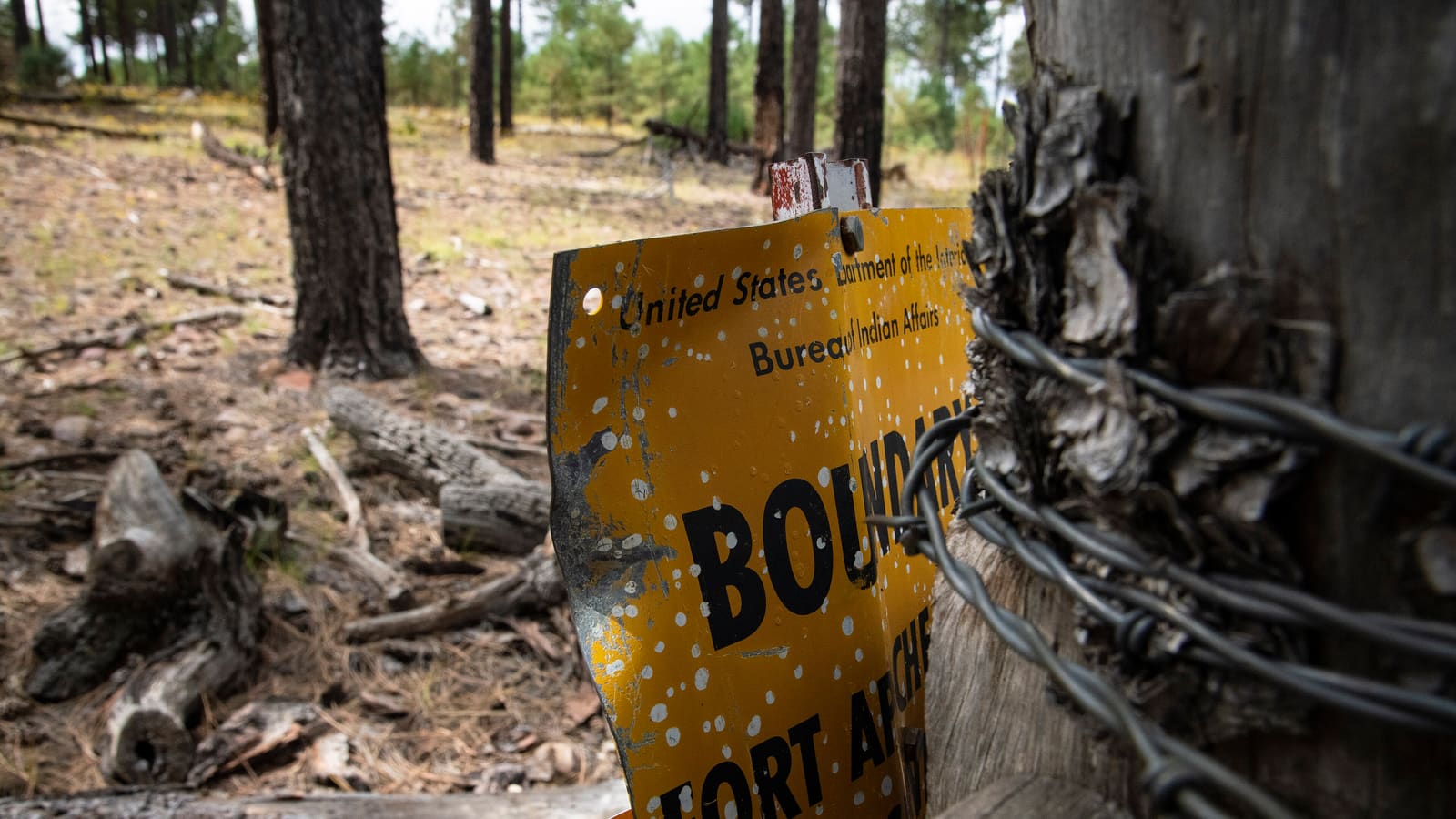
A significant portion of prime wildlife habitat in the region, including areas around Sunrise Park Resort and several lakes, sits on Fort Apache Indian Reservation land belonging to the White Mountain Apache Tribe. Recreational access to tribal land, including wildlife viewing, generally requires a tribal permit separate from any state license or federal forest pass, and the rules can differ meaningfully from adjacent national forest land. Before planning a wildlife-viewing trip that includes reservation land, confirm current permit requirements directly with the White Mountain Apache Tribe rather than assuming national forest rules apply.
Basic Safety Around Wildlife
Beyond keeping a respectful distance, a few general precautions apply across the region: never position yourself between an adult animal and its young, be especially cautious around elk during the fall rut when bulls are more aggressive, make some noise while hiking through dense brush or low-visibility terrain to avoid startling an animal at close range, and store food securely if camping, since improperly stored food can attract wildlife to a campsite. If you encounter an animal at close range unexpectedly, back away slowly rather than running, which can trigger a chase response in some species.